Author: chrism

  • Do You Need to Resurface or Fully Replace Your Asphalt Driveway?

    Do You Need to Resurface or Fully Replace Your Asphalt Driveway?

    Key Takeaways
    • Resurfacing adds a new asphalt layer but does not fix structural issues
    • Full replacement rebuilds the driveway from the base up
    • Surface cracks and minor wear can often be resurfaced
    • Potholes, sinking, and alligator cracking require replacement
    • The condition of the base layer determines the correct solution

    If your asphalt driveway is starting to crack, fade, or break apart, you’re probably asking the big question: should you resurface it or replace it completely?

    The answer depends on what’s happening beneath the surface. Some driveways only need a new surface layer, while others require full reconstruction due to structural failure.

    Understanding whether to resurface your asphalt or move forward with a full rebuild can save you thousands—and help you make the right long-term investment for your property.

    Resurfacing vs Replacement: What’s the Difference?

    Asphalt Resurfacing (Overlay)

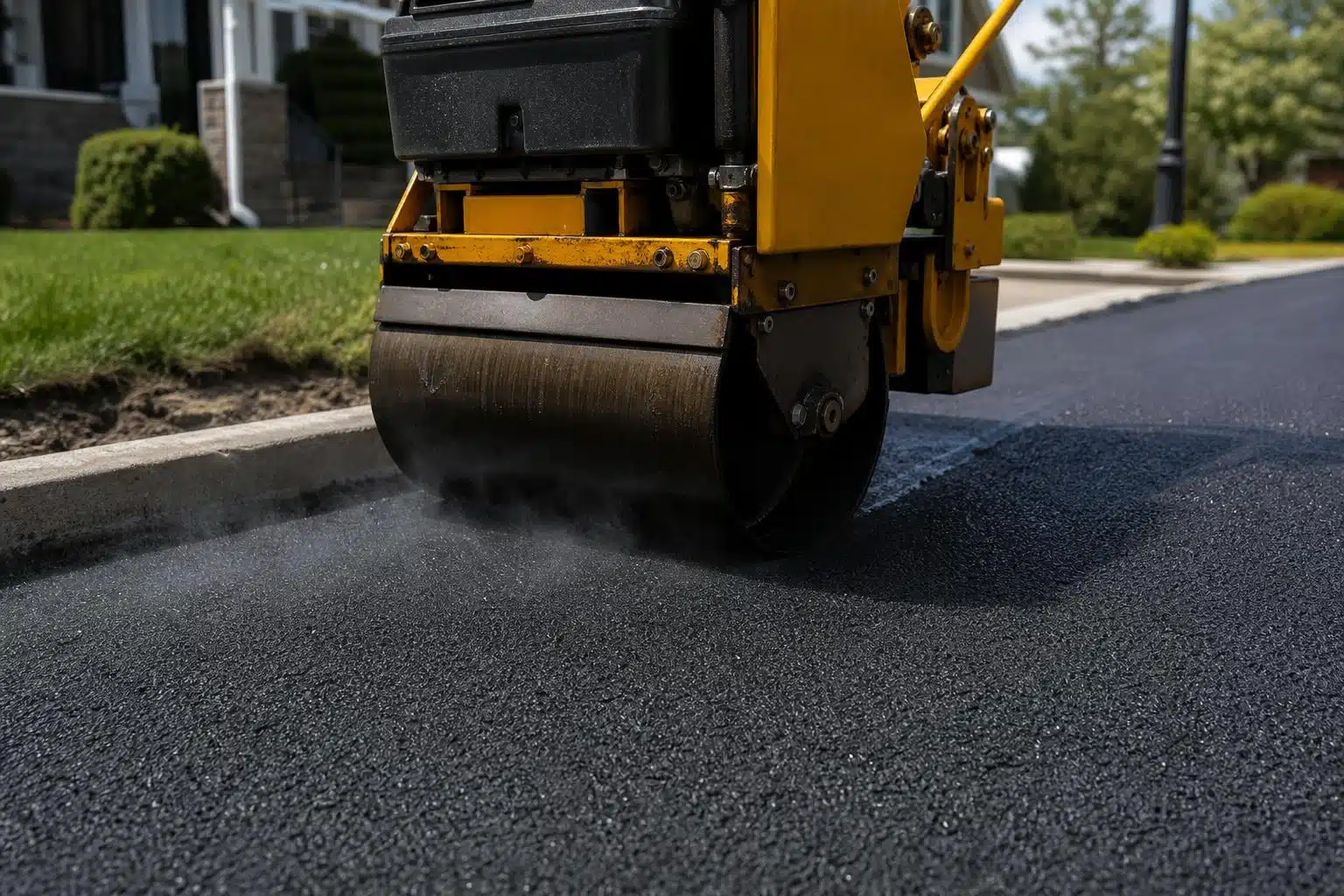
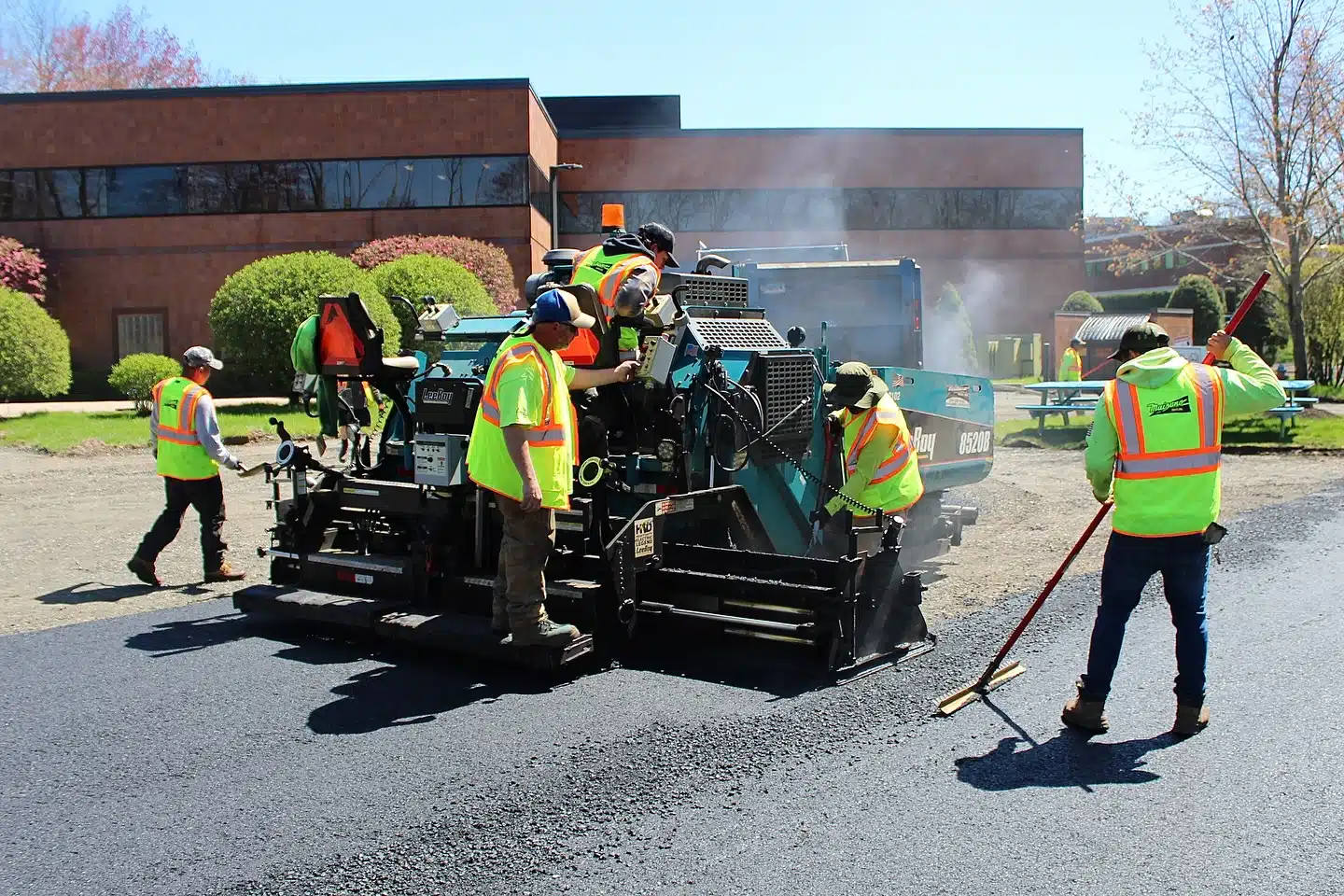
    Resurfacing involves installing a new layer of asphalt over the existing driveway. This process restores the appearance and performance of the surface without removing the entire structure.

    • Adds a new surface layer (typically 1.5”–2” of hot mix asphalt)
    • Improves appearance and smoothness
    • Extends the life of your driveway
    • More cost-effective than full replacement

    Resurfacing works best when the base layer is still stable and the damage is limited to the surface.

    Full Asphalt Replacement

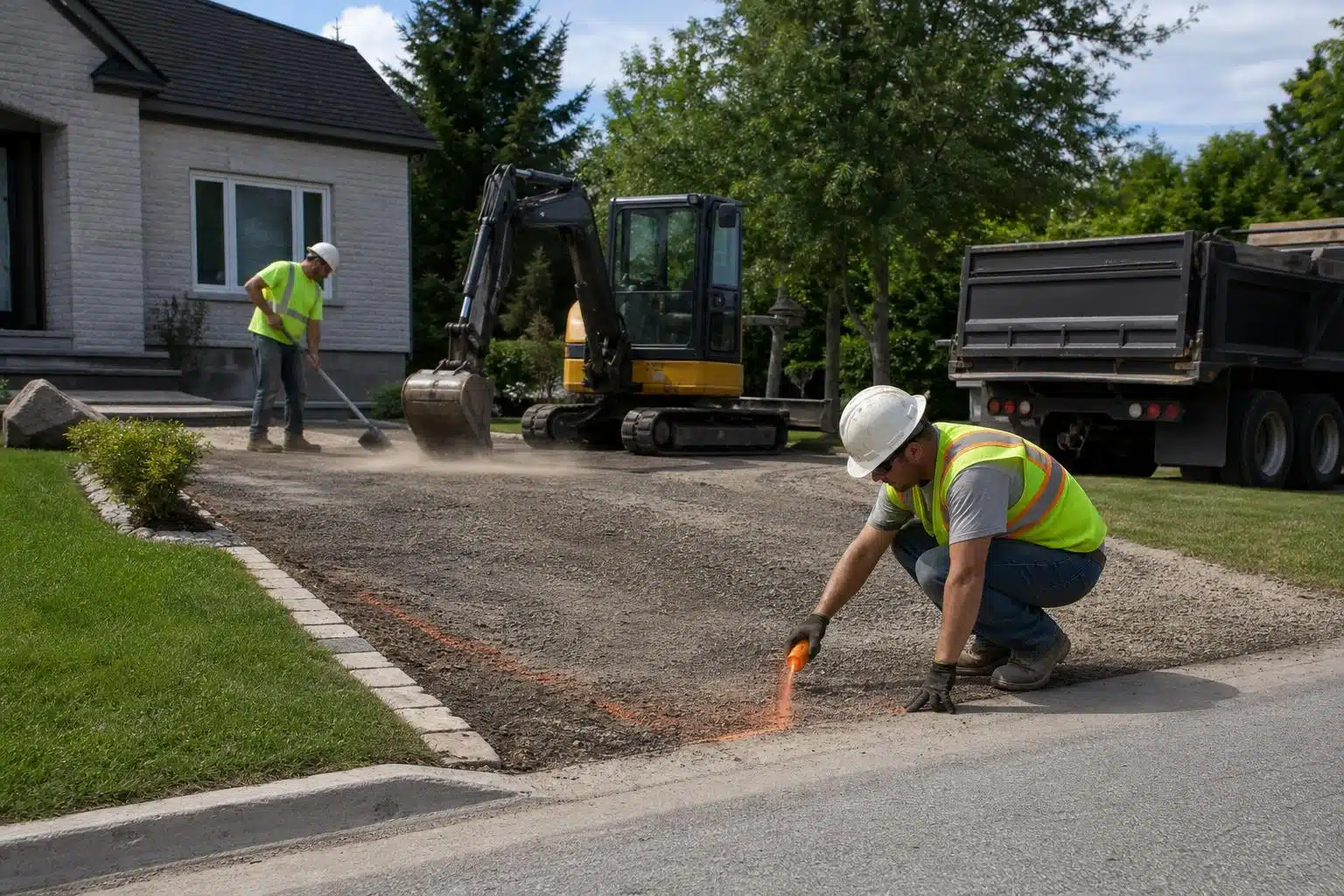
    Full replacement involves removing the existing asphalt and rebuilding the driveway from the ground up. This includes addressing the subgrade and base layers.

    • Removes all existing asphalt
    • Repairs or replaces the base course
    • Installs new asphalt from the foundation up
    • Provides a completely new, long-lasting driveway

    This approach is necessary when there is base failure, widespread cracking, or structural instability.

    Signs You Only Need Asphalt Resurfacing

    Not every damaged driveway needs to be replaced. In many cases, resurfacing is the right solution.

    • Surface cracks (not deep or widespread)
    • Fading or oxidation
    • Minor surface wear
    • No major drainage issues
    • Driveway feels solid underfoot

    If the structure is still intact, resurfacing can restore your driveway at a lower cost while extending its usable life.

    Signs You Need Full Asphalt Replacement

    Some issues go deeper than the surface—and resurfacing won’t fix them.

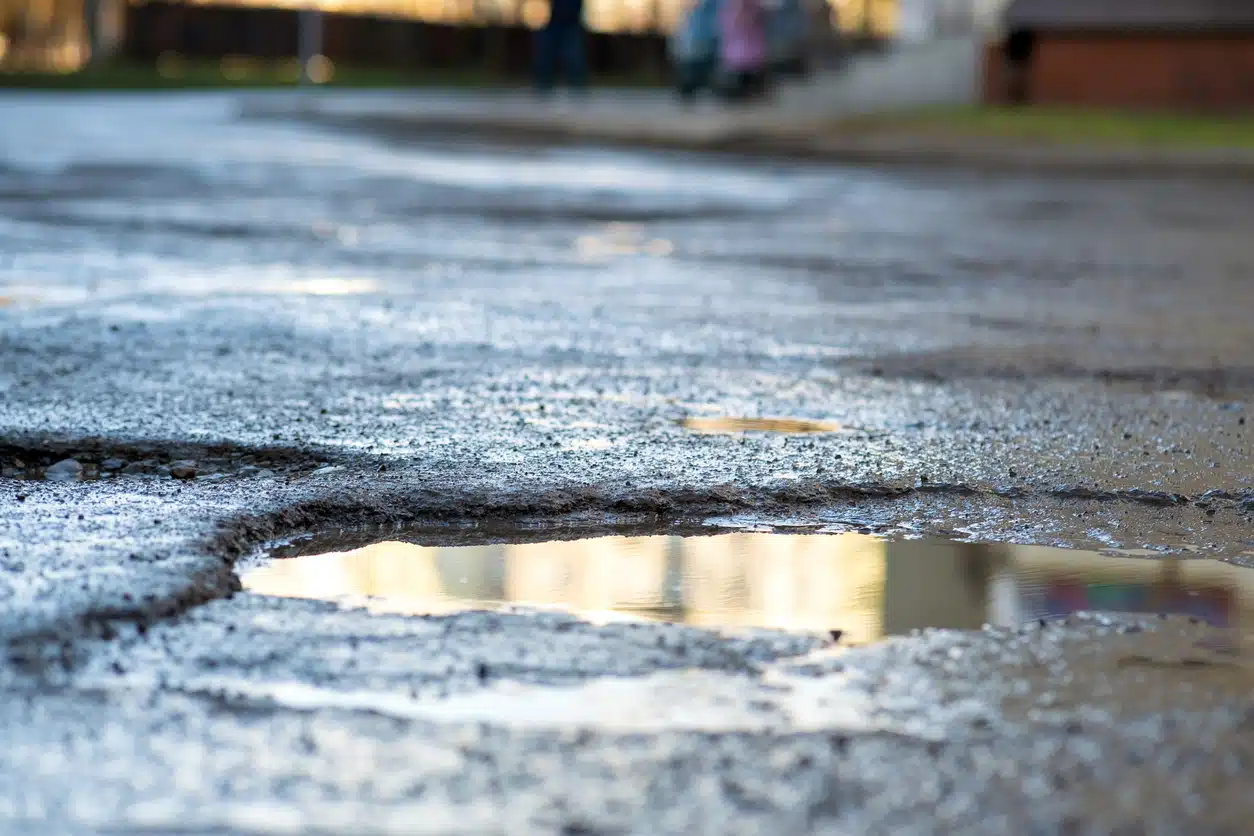
    • Multiple or recurring potholes
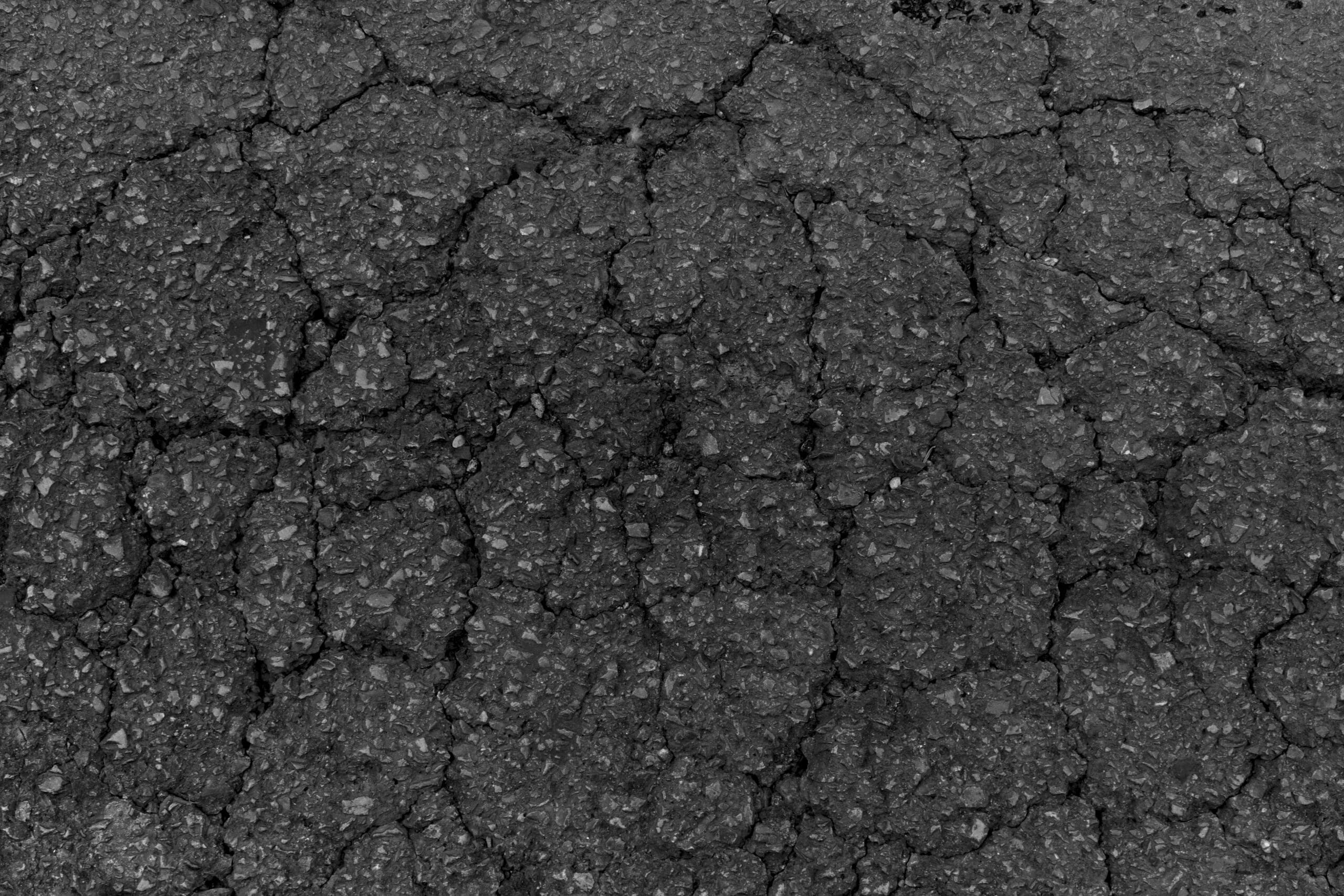
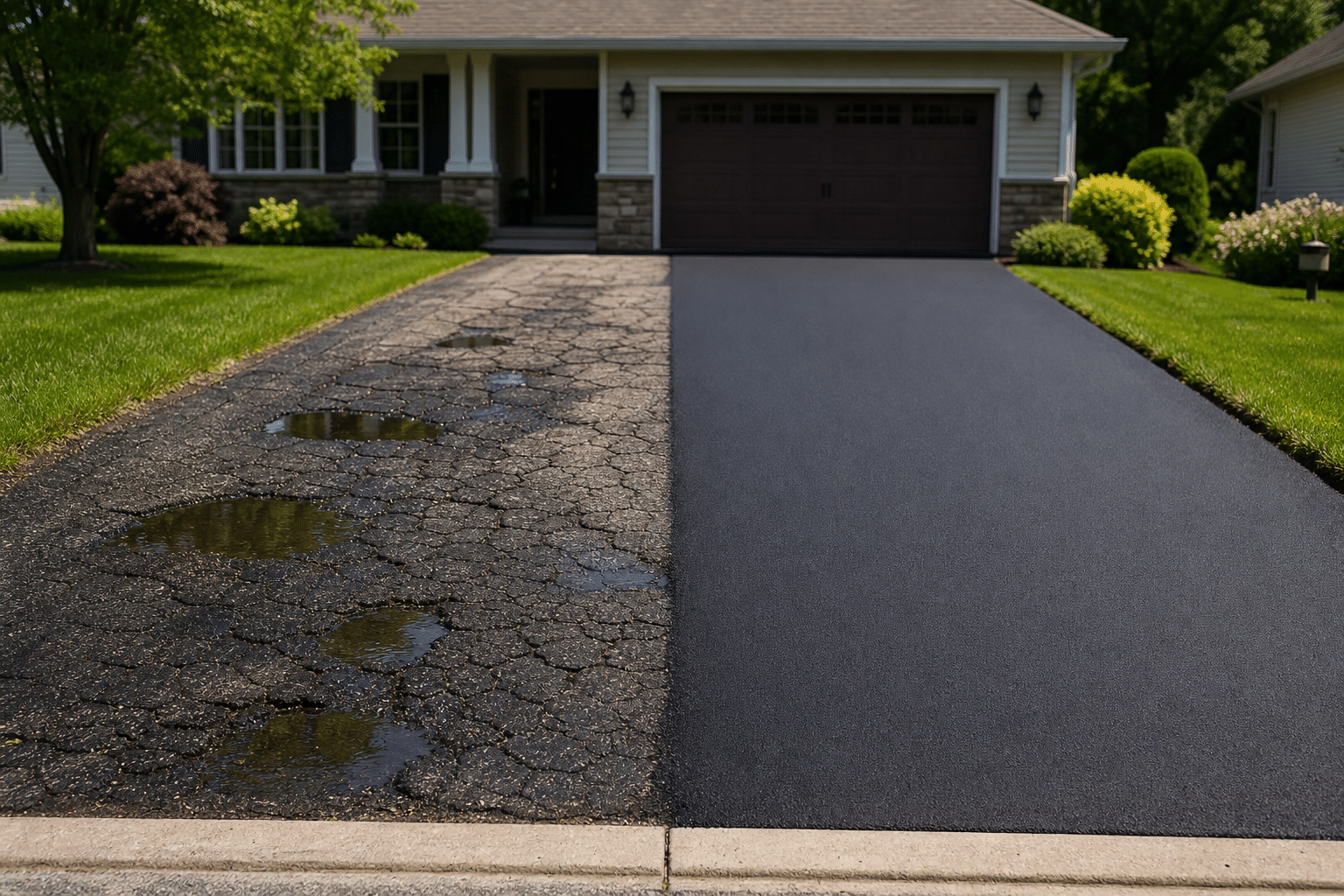
    • Large cracks and alligator cracking
    • Soft spots or sinking areas
    • Poor drainage or standing water
    • Driveway is over 20–25 years old

    These are clear indicators of structural failure beneath the asphalt, meaning replacement is the only long-term solution.

    Resurfacing vs Replacement Cost Comparison

    A proper cost comparison between resurfacing and replacement helps homeowners understand the real investment involved.

    While resurfacing has a lower upfront cost, it may not last if underlying issues exist. Replacement costs more initially but provides a longer lifespan and fewer repairs over time.

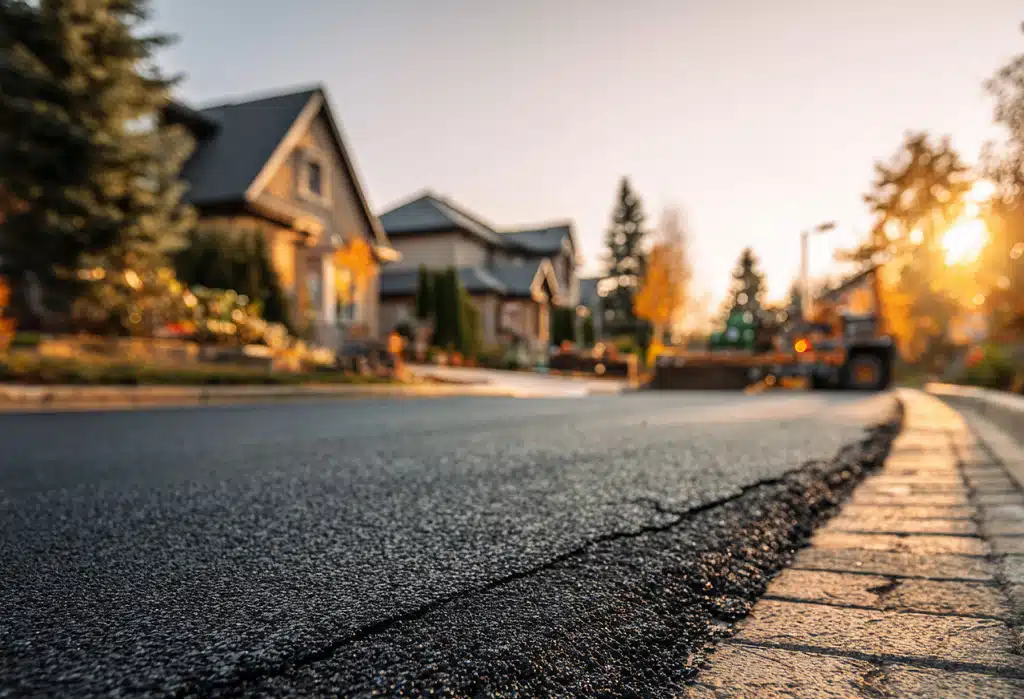
    Choosing the wrong option can lead to repeat repairs, making resurfacing more expensive in the long run if the base is already compromised.

    The Role of the Base Layer

    Your driveway is only as strong as what’s underneath it.

    The base course supports the asphalt surface and distributes weight. If it becomes unstable due to water infiltration or poor compaction, the surface will fail regardless of how many times it is resurfaced.

    This is why professional evaluations focus on structural integrity—not just surface appearance.

    How Professionals Evaluate Your Driveway

    A professional contractor will assess several key factors before recommending resurfacing or replacement:

    • Depth and severity of cracks
    • Presence of potholes
    • Drainage conditions
    • Structural stability of the base
    • Age of the driveway

    If you’re unsure which option is right, it’s best to get a professional opinion before investing in the wrong solution.

    Resurfacing vs Replacement: Quick Comparison

    Factor Resurfacing Replacement
    Cost Lower upfront Higher upfront
    Durability 8–15 years 20+ years
    Fixes Base Issues No Yes
    Best For Surface-level damage Structural failure

    How to Extend the Lifespan of Your Asphalt Driveway

    Proper maintenance plays a major role in extending the lifespan of your asphalt driveway.

    • Sealcoat every 2–3 years
    • Fill cracks early to prevent water intrusion
    • Maintain proper drainage
    • Avoid repeated heavy loads in the same location

    Taking these steps helps protect your investment and delay the need for major repairs or replacement.

    Conclusion

    Choosing between resurfacing and replacement comes down to one key factor: the condition of your driveway’s foundation.

    If the base is stable, resurfacing can be a cost-effective way to restore your driveway. If the base is failing, replacement is the only solution that will provide long-term results.

    Making the right decision now can prevent future headaches and unnecessary expenses.

    Not sure which route is right for your driveway? Maisano Brothers can inspect your asphalt and recommend the most cost-effective solution. Get your free estimate today, or explore our full range of asphalt paving services for Connecticut homeowners.

    Frequently Asked Questions

    Is resurfacing cheaper than replacement?

    Yes upfront, but it can cost more long-term if the base is failing.

    How long does asphalt resurfacing last?

    Typically 8–15 years depending on conditions and maintenance.

    When should I replace my asphalt driveway?

    When there are structural issues like base failure, widespread cracking, or sinking.

    Can resurfacing fix potholes?

    Only if the base is still stable. Otherwise, potholes will return. If you’re dealing with recurring surface damage, learn more about proper pothole repair and patching methods to address the root of the issue.

    What is alligator cracking?

    A pattern of interconnected cracks that indicates structural failure in the pavement.

    How do I know if my driveway base is failing?

    Signs include soft spots, sinking areas, recurring potholes, and drainage issues.

    What’s the lifespan of a new asphalt driveway?

    A properly installed driveway can last 20–30 years with maintenance.

  • How to Plan a Commercial Asphalt Paving Project Without Disrupting Your Business

    How to Plan a Commercial Asphalt Paving Project Without Disrupting Your Business

    Key Takeaways
    • A commercial asphalt paving project starts with a site evaluation to assess pavement condition, drainage, traffic flow, and areas that need repair or replacement.
    • Hiring an experienced commercial paving contractor helps you manage logistics, safety, access, striping, and compliance requirements more effectively.
    • Phasing the work in sections allows businesses to stay open while minimizing disruptions to customers, employees, deliveries, and daily operations.
    • Clear communication before and during the project helps reduce confusion by outlining closures, parking changes, timelines, and access routes.
    • A successful paving project includes more than new asphalt, since striping, signage, access points, and long-term maintenance all affect performance and usability.

    Optimize Your Paving Schedule, Stay Open, and Keep Customers Happy

    Planning a commercial asphalt paving project can feel overwhelming, especially if your property needs to stay open during construction. Whether you’re paving a retail plaza, office park, medical center, or industrial facility, minimizing disruption is key to maintaining operations and avoiding lost revenue.

    In this article, we’ll walk you through how to plan your commercial paving project efficiently, stay on schedule, and create a smooth experience for employees, tenants, and visitors alike.

    Start with a Site Evaluation and Traffic Flow Review

    Before any asphalt paving begins, request a detailed on-site consultation from a licensed commercial paving contractor. A proper evaluation will include:

    • Current pavement condition
    • Drainage and grading issues
    • Entry and exit points
    • Traffic flow patterns and bottlenecks
    • Heavy-duty zones like loading docks or drive lanes

    This step is essential to understanding what needs to be repaired, replaced, or improved—and how to stage the work to avoid major disruption.

    Choose a Contractor with Commercial Experience

    Not all paving companies are equipped to handle commercial asphalt projects. You’ll want a team that understands:

    • OSHA compliance and safety protocols
    • Commercial equipment access and logistics
    • Communication with multiple stakeholders (tenants, property managers, etc.)
    • Striping, signage, ADA compliance, and fire lane markings

    Ask for references or a portfolio of previous commercial paving work—especially on properties similar to yours, such as shopping centers, medical campuses, or national brand parking lots.

    Schedule Paving in Phases

    To keep your business running, plan your paving in phases. A professional contractor will help divide the project into manageable zones, allowing traffic, deliveries, and parking to continue with minimal interruption.

    Common staging examples include:

    • Paving one half of the parking lot at a time
    • Keeping drive lanes or entry points open at all times
    • Completing work during off-hours, weekends, or holidays

    This approach allows ongoing access for employees, tenants, and customers while the work is completed safely and efficiently.

    Communicate Clearly with Tenants and Visitors

    Once your paving schedule is set, notify all relevant parties well in advance. Send emails, hang signs, and post online updates to let customers and tenants know:

    • Where to park
    • When each section will be closed
    • How long the project is expected to last
    • Who to contact with questions or concerns

    Keeping everyone in the loop will reduce confusion and build trust during the process.

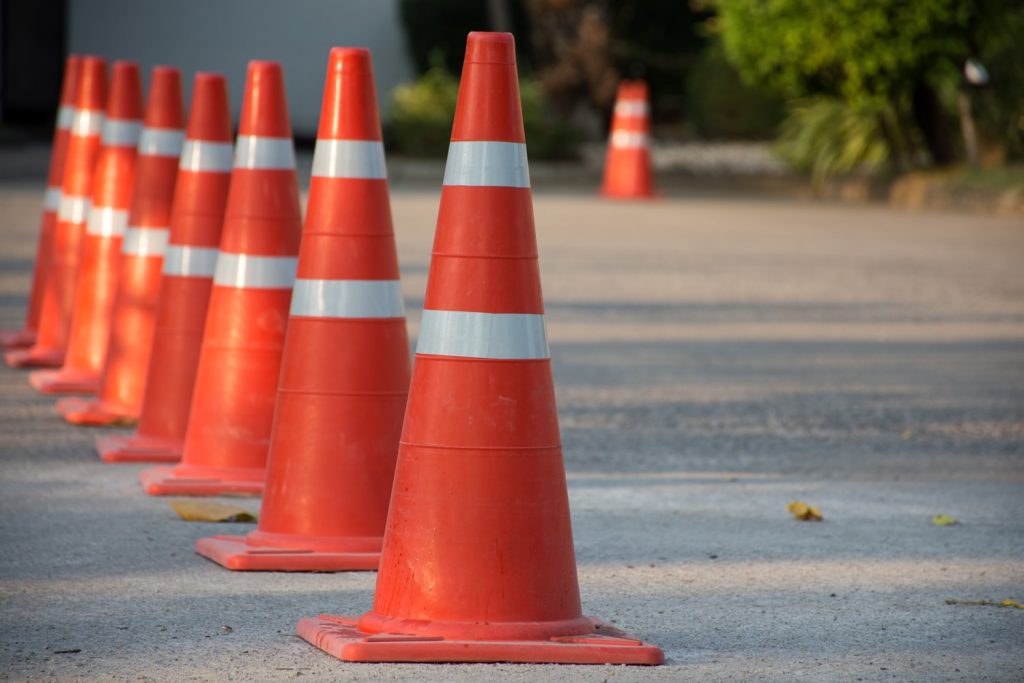
    Traffic cones placed on a commercial parking lot to guide traffic during an asphalt paving project
    Traffic cones help direct vehicles and pedestrians safely during a commercial asphalt paving project.

    Consider Temporary Signage and Traffic Control

    During paving, your commercial site may need temporary signage or cones to redirect traffic or footpaths. Your contractor should supply and install:

    • Safety cones or barriers
    • Temporary directional signs
    • ADA access reroutes if needed
    • Pedestrian guidance signs for walkways

    This keeps everyone safe while maintaining accessibility and business continuity.

    Plan for Final Touches: Line Striping, ADA Compliance & Finishes

    After the asphalt paving is complete, your lot will still need:

    • Fresh parking lot striping
    • ADA-compliant markings and access points
    • Crosswalks, arrows, and fire lane paint
    • Signage, curbing, and bump stops if needed

    Ensure these finishing elements are scheduled and completed promptly so your commercial property is fully functional and compliant.

    Schedule Preventative Maintenance Going Forward

    After investing in new asphalt, protect it. Ask your contractor about:

    • Sealcoating schedules (every 2–3 years)
    • Crack sealing and joint repair
    • Drainage monitoring and surface cleaning
    • Long-term maintenance contracts

    Proactive planning will extend the life of your asphalt and reduce future repair costs.

    Partner with the Right Commercial Paving Contractor

    With the right contractor and a thoughtful plan, your commercial paving project can be completed with minimal disruption, and maximum return on investment. At Maisano Brothers Inc., we specialize in commercial asphalt paving in Connecticut, Massachusetts, Rhode Island and properties nationwide providing phased scheduling, clear communication, and exceptional results.

    Frequently Asked Questions

    What is the first step in planning a commercial asphalt paving project?

    The first step is a site evaluation to review the condition of the pavement, drainage patterns, grading, traffic flow, and access points.

    How can I pave a parking lot without closing my business?

    Most commercial paving projects can be completed in phases so certain sections remain open while work is being done in other areas.

    Why is phasing important in commercial asphalt paving?

    Phasing helps maintain access for customers, employees, tenants, and delivery vehicles while improving safety and keeping operations moving.

    When is the best time to schedule commercial paving?

    The best time depends on your property’s traffic patterns, but many businesses choose off-hours, weekends, or slower periods to reduce disruption.

    What should I communicate before paving begins?

    You should let people know where to park, which areas will be closed, how long the project should take, and who to contact with questions.

    Do I need temporary signage during a paving project?

    Yes, temporary cones, barriers, and directional signs can help guide traffic, improve safety, and maintain pedestrian access during construction.

    What happens after the new asphalt is installed?

    After paving, the site may still need striping, directional arrows, accessible parking markings, curb work, signage, and other finishing details.

    How long should I wait before allowing traffic on new asphalt?

    The exact timing depends on weather, mix conditions, and site use, but your contractor should provide clear guidance before reopening the area.

    How do I protect a newly paved commercial lot?

    Routine maintenance such as crack sealing, drainage monitoring, cleaning, and sealcoating at appropriate intervals can help extend pavement life.

    What should I look for in a commercial paving contractor?

    Look for a contractor with commercial project experience, strong communication, proper equipment, a clear phasing plan, and a track record of quality work.

  • The Asphalt Paving Process: 9 Steps to Proper Asphalt Installation

    The Asphalt Paving Process: 9 Steps to Proper Asphalt Installation

    Key Takeaways
    • The asphalt paving process includes 9 critical steps from evaluation to final inspection
    • Proper grading, base preparation, and compaction are essential for long-term durability
    • The base and subgrade determine how well the pavement performs over time
    • Skipping steps or cutting corners leads to early failure and costly repairs
    • Regular maintenance after installation extends the life of asphalt significantly

    Installing asphalt is more than just laying down blacktop. A properly paved driveway or parking lot depends on preparation, grading, base construction, and precise installation techniques. When done correctly, asphalt pavement can last 20 years or more. When shortcuts are taken, problems like cracking, potholes, and drainage issues can appear much sooner.

    Whether you’re planning a new asphalt driveway or a commercial paving project, understanding the process helps you recognize quality workmanship and make informed decisions.

    Why the Asphalt Paving Process Matters

    Every step in the paving process plays a role in the long-term performance of your pavement. The surface layer may look smooth and finished, but what’s underneath determines how well it holds up over time.

    Proper asphalt installation ensures strength, drainage, durability, and resistance to wear from traffic and weather conditions.

    Step 1: Site Evaluation and Planning

    Before any work begins, the area is evaluated to determine soil conditions, drainage needs, and the scope of the project. This step identifies potential issues such as poor drainage, unstable subgrade, or grading challenges.

    Step 2: Demolition and Removal

    If replacing an existing driveway or parking lot, the old asphalt is removed. This may involve milling or full excavation depending on the condition of the pavement and base.

    Step 3: Grading and Slope Preparation

    Proper grading and slope preparation is critical to ensure water drains away from the surface. Without correct elevation and pitch, water can pool and lead to premature deterioration.

    This step sets the foundation for long-term performance and prevents future structural issues.

    Step 4: Subgrade Preparation

    The subgrade is the native soil beneath the pavement. It must be properly compacted and stabilized to support the layers above. Weak or soft subgrade conditions can lead to failure regardless of how well the asphalt is installed.

    Step 5: Installing the Base Course

    The base layer provides structural support for the asphalt surface. Typically made of crushed stone or aggregate, it is spread and compacted to create a stable foundation.

    A properly installed base ensures load distribution and prevents shifting or settling over time.

    Step 6: Binder Layer Installation

    The binder layer is a strong asphalt layer that adds structural integrity. It contains larger aggregate and acts as a bridge between the base and the surface layer.

    This layer is especially important in areas with heavier traffic loads.

    Step 7: Surface Course Installation

    The surface course is the top layer of asphalt. It provides a smooth, finished appearance and protects the underlying structure from water and environmental exposure.

    This layer is designed for durability, flexibility, and long-term performance.

    Step 8: Compaction

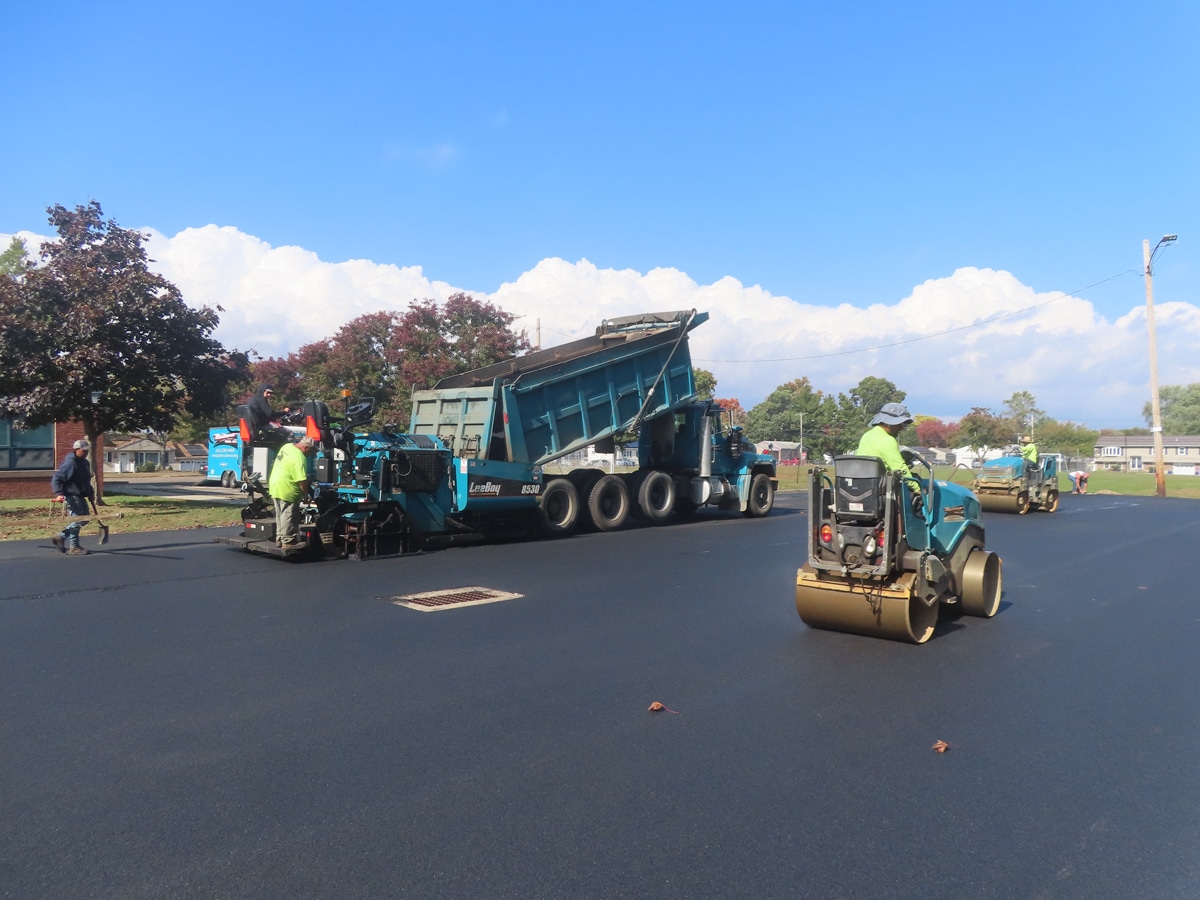
    Compaction is one of the most critical steps in the entire process. Rollers are used to compress the asphalt, eliminate air voids, and ensure proper density.

    Without proper compaction, the pavement may fail prematurely, leading to cracking and deformation.

    Step 9: Final Inspection and Finishing

    After installation, the surface is inspected to ensure proper grading, smoothness, and compaction. Edges are finished, transitions are cleaned up, and the pavement is prepared for use.

    Once cooled and cured, the asphalt is ready for traffic.

    How Long Does Asphalt Installation Take?

    Most residential driveways can be completed within one to two days, depending on size and site conditions. Larger commercial paving projects may take longer due to additional preparation and structural requirements.

    Common Mistakes That Lead to Early Failure

    • Poor base preparation
    • Improper grading or drainage
    • Insufficient compaction
    • Thin asphalt layers
    • Skipping critical steps in the process

    These issues can lead to cracking, potholes, rutting, and costly repairs.

    How to Extend the Life of Your Asphalt

    After installation, proper maintenance is essential to maximize lifespan.

    • Sealcoat every 2–3 years
    • Fill cracks early
    • Keep water draining away from the surface
    • Avoid heavy loads during early curing

    Routine maintenance protects your investment and delays the need for repairs or replacement.

    Conclusion

    The asphalt paving process is a step-by-step system designed to create a durable, long-lasting surface. Each phase—from site preparation to final compaction—plays a critical role in performance.

    Understanding these steps helps ensure your driveway or parking lot is built to last and performs well for years to come.

    Ready to see these steps in action on your own property? Maisano Brothers Inc. has been installing asphalt driveways across Connecticut since 1967. Request a free estimate for your new driveway installation.

    Frequently Asked Questions

    How many steps are in the asphalt paving process?

    There are typically 9 main steps, including site prep, grading, base installation, paving, and compaction.

    What is the most important step in asphalt paving?

    Base preparation and compaction are the most critical for long-term performance.

    How long does asphalt take to cure?

    Asphalt can be driven on within 24–72 hours but continues curing for several months.

    What is the binder layer in asphalt?

    It’s the structural layer between the base and surface course that adds strength.

    Why is grading important before paving?

    Proper grading ensures water drains correctly and prevents premature damage.

    How thick should asphalt be for a driveway?

    Typically 2–3 inches for residential use, depending on base conditions.

    Can asphalt be installed over old pavement?

    Yes, in some cases resurfacing is possible if the base is still stable.

  • Asphalt vs Concrete Driveways: What’s the Difference and Which One Is Right for You?

    Asphalt vs Concrete Driveways: What’s the Difference and Which One Is Right for You?

    Key Takeaways
    • Asphalt usually costs less up front than concrete, while concrete often costs more initially but may last longer.
    • Asphalt typically lasts about 15 to 20 years with maintenance, while concrete can last 30 years or more with proper care.
    • Asphalt is generally better suited to colder freeze-thaw climates because it is more flexible, while concrete is more rigid and more sensitive to movement and cracking.
    • Asphalt needs more routine maintenance such as sealcoating and crack repair, but repairs are usually easier and less expensive than concrete repairs.
    • Concrete offers more color, texture, and pattern options, making it a stronger choice for homeowners who want a more customized look.

    Choosing between an asphalt driveway and a concrete driveway is one of the biggest decisions homeowners make when planning a new installation. Both materials can create a durable, attractive surface, but they perform differently when it comes to cost, maintenance, appearance, climate resistance, and long-term repair needs.

    If you are trying to decide between the two, the right answer usually comes down to your budget, your property, your local conditions, and how you plan to use the driveway.

    What Is the Main Difference Between Asphalt and Concrete?

    The biggest difference is how the material behaves over time. Asphalt is more flexible, which helps it handle freeze-thaw conditions and minor movement in the base. Concrete is more rigid, which can make it very durable in the right conditions but also more prone to cracking when movement occurs.

    Asphalt is made with aggregates and asphalt binder, while concrete is made with cement, sand, stone, and water. Because of these differences, the two materials cure, age, and perform differently over time.

    Cost Comparison: Asphalt vs Concrete

    For many homeowners, budget is where the decision starts. In general, asphalt tends to have a lower upfront cost than concrete.

    Understanding the true cost of an asphalt driveway helps put this into perspective. While asphalt is typically more affordable initially, long-term costs depend on maintenance, repairs, and lifespan.

    Concrete usually costs more upfront but may last longer under the right conditions. The better value depends on how long you plan to stay in your home and how you maintain the surface.

    Lifespan and Durability

    Asphalt Driveway Lifespan

    Asphalt driveways typically last 15–20 years with proper maintenance. Their flexibility makes them well-suited for areas with temperature fluctuations and seasonal movement.

    Over time, asphalt can oxidize, fade, and develop cracks if not maintained properly, but it can often be repaired or resurfaced effectively.

    Concrete Driveway Lifespan

    Concrete driveway installations can last 30 years or more when properly installed and maintained. However, because concrete is rigid, it can crack when the base shifts or when exposed to harsh freeze-thaw conditions.

    Repairs to concrete are often more visible and more difficult to blend compared to asphalt.

    [elementor-template id=”4630″]

    Maintenance Differences

    Asphalt Maintenance

    Asphalt requires more routine maintenance, including sealcoating and crack filling. The benefit is that repairs are typically easier, faster, and more affordable.

    • Sealcoating every 2–3 years
    • Crack filling to prevent water intrusion
    • Patching and resurfacing options

    Concrete Maintenance

    Concrete requires less frequent maintenance but can be more difficult to repair when issues occur.

    • Occasional sealing
    • Joint maintenance
    • More complex repairs if cracking occurs

    Appearance and Design Options

    Concrete offers more customization options, including stamped patterns, colors, and decorative finishes. This makes it a popular choice for homeowners focused on design and aesthetics.

    Asphalt provides a clean, smooth, and uniform appearance that works well for most residential properties. It is more limited in design but offers a classic and practical look.

    Climate Considerations

    Your location plays a major role in choosing the right material. In regions like the Connecticut climate, asphalt often performs better due to its flexibility and ability to handle freeze-thaw cycles.

    Concrete can still perform well but requires proper installation techniques to minimize cracking caused by temperature changes.

    Installation Time and Usability

    Asphalt can typically be installed faster and used sooner than concrete. In many cases, an asphalt driveway can be completed in one to two days.

    Concrete requires a longer curing time, which means you may need to wait several days before using the surface.

    Repair and Long-Term Flexibility

    Asphalt offers more flexibility when it comes to repairs. It can often be patched, resurfaced, or restored without replacing the entire driveway.

    Concrete repairs, while possible, are often more noticeable and may require more extensive work.

    Which Is the Better Choice?

    Choose Asphalt If You Want:

    • Lower upfront cost
    • Better performance in colder climates
    • Faster installation
    • Easier repairs and maintenance

    Choose Concrete If You Want:

    • Longer potential lifespan
    • More decorative options
    • Less frequent maintenance

    Final Thoughts

    Choosing between asphalt and concrete comes down to your priorities. Asphalt is often the best choice for homeowners looking for a cost-effective, durable solution that performs well in colder climates. Concrete is a strong option for those prioritizing aesthetics and long-term durability.

    The right decision depends on your budget, maintenance expectations, and how your driveway will be used over time.

    Whether you choose asphalt or concrete, Maisano Brothers Inc. delivers expert installation built for Connecticut weather. Get a free estimate and let us help you pick the right material for your residential driveway.

    [elementor-template id=”4630″]

    Frequently Asked Questions

    Is asphalt cheaper than concrete for a driveway?

    Usually yes. Asphalt at roughly $3 to $7 per square foot and concrete at roughly $4 to $10 per square foot, though actual pricing varies by site and project scope.

    Does asphalt last as long as concrete?

    Usually no. The current article says asphalt typically lasts 15 to 20 years with maintenance, while concrete can last 30 years or more with proper care.

    Which driveway is better in cold weather?

    Asphalt is often the better choice in cold climates because its flexibility helps it handle freeze-thaw movement better than concrete.

    Which driveway needs more maintenance?

    Asphalt typically needs more routine maintenance, including periodic sealcoating and crack repair, while concrete usually needs less frequent maintenance but can be harder to repair when problems develop.

    Can oil stains damage an asphalt driveway?

    Yes. Petroleum products can soften asphalt and contribute to surface deterioration over time. If you’re dealing with stubborn stains, explore the best commercial degreasers for removing oil stains from asphalt to properly clean and protect your surface.

    Is concrete more decorative than asphalt?

    Yes. Concrete offers more options for color, texture, pattern, and stamped finishes, while asphalt is more limited aesthetically.

    Which driveway can be used sooner after installation?

    Asphalt is typically installed faster and can often be used sooner, while concrete takes longer to cure and requires more patience before regular use.

  • Best Practices for Snow Removal on Asphalt Driveways and Parking Lots

    Best Practices for Snow Removal on Asphalt Driveways and Parking Lots

    Key Takeaways
    • Improper snow removal can damage asphalt through scraping, pressure, and freeze-thaw cycles
    • Rubber-edged plows are safer than metal blades
    • Removing snow early prevents compaction and bonding
    • Deicing materials should be used carefully to avoid long-term damage
    • Preventative maintenance before winter significantly reduces damage

    Snow and ice are part of Connecticut winters, but improper snow removal can cause serious damage to asphalt driveways and parking lots. What seems like routine maintenance can lead to scraping, cracking, and long-term deterioration if done incorrectly.

    Understanding how to safely remove snow while you protect your asphalt is essential for maintaining the life of your pavement.

    Why Snow Removal Can Damage Asphalt

    Asphalt is a flexible material, but during colder temperatures it becomes more brittle. This makes it more vulnerable to damage from heavy equipment, sharp plow blades, and improper techniques.

    In addition, freeze-thaw cycles allow water to enter cracks and expand, weakening the structure beneath the surface.

    Use the Right Snow Removal Equipment

    Avoid Metal Blades on Asphalt

    Metal plow blades can scrape and gouge asphalt surfaces, especially if the driveway is already worn or cracked.

    Instead, use plows with rubber or polyurethane edges to reduce the risk of surface damage.

    Adjust Plow Height Properly

    Setting the plow blade slightly above the surface helps prevent direct contact with the asphalt, minimizing wear and tear.

    Don’t Wait Too Long to Remove Snow

    Allowing snow to compact and freeze makes removal more difficult and increases the likelihood of damage. Packed snow can bond to the surface, requiring more aggressive removal methods.

    Clearing snow early and consistently is the safest approach.

    Be Careful with Deicing Materials

    Deicing products can help improve safety, but some materials can impact asphalt over time. If you’re unsure what to use or how much to apply, check out our complete guide to salting asphalt driveways for safe and effective winter maintenance strategies.

    Safer Options

    • Calcium chloride
    • Magnesium chloride

    These are generally less aggressive than traditional rock salt and work effectively at lower temperatures.

    Use Salt in Moderation

    While salt does not directly destroy asphalt, excessive use can contribute to moisture penetration and accelerate deterioration when combined with freeze-thaw cycles.

    Protect Edges and Weak Areas

    The edges of asphalt driveways and parking lots are especially vulnerable during winter. Plows can catch edges and cause cracking or breakage.

    Take extra care around:

    • Driveway edges
    • Transitions to sidewalks or aprons
    • Areas with existing damage
    [elementor-template id=”4630″]

    Avoid Heavy Equipment on Residential Driveways

    Residential asphalt is typically not designed for heavy commercial plows or equipment. Using oversized machinery can cause stress, especially when the ground is frozen and less flexible.

    Use appropriately sized equipment for the surface you’re clearing.

    Watch for Freeze-Thaw Damage

    Winter conditions create constant expansion and contraction within asphalt. Water enters small cracks, freezes, expands, and then melts, repeating the cycle and weakening the pavement.

    This is one of the main causes of cracks and potholes in the spring.

    Schedule Repairs After Winter

    Winter often reveals existing weaknesses in asphalt. Once the weather warms up, it’s important to inspect your surface for damage.

    Look for:

    • New cracks
    • Potholes
    • Surface raveling
    • Drainage issues

    Addressing these problems early prevents further deterioration.

    Preventative Maintenance Before Winter

    The best way to protect asphalt during winter is to prepare it ahead of time.

    Sealcoating

    Sealcoating helps protect asphalt from water infiltration, chemicals, and oxidation.

    Crack Filling

    Sealing cracks before winter prevents water from entering and freezing beneath the surface.

    Drainage Improvements

    Ensuring proper drainage reduces standing water and limits freeze-thaw damage.

    Conclusion

    Snow removal is necessary, but it should be done carefully to avoid damaging your asphalt. Using the right equipment, removing snow early, and maintaining your pavement properly can significantly extend its lifespan.

    Winter conditions are tough on asphalt, but with the right approach, you can protect your driveway or parking lot and avoid costly repairs in the spring.

    Connecticut winters are tough on asphalt. If your driveway has taken a beating this season, request a free spring inspection from Maisano Brothers. A timely sealcoating application can prevent costly repairs down the road.

    Can snow plowing damage asphalt?

    Yes. Improper plowing, especially with metal blades, can scrape and damage the surface.

    What is the safest way to remove snow from asphalt?

    Use rubber-edged plows, remove snow early, and avoid aggressive scraping.

    Does salt damage asphalt driveways?

    Salt does not directly damage asphalt, but it can contribute to moisture-related deterioration over time.

    Should you shovel or plow an asphalt driveway?

    Both are fine when done carefully, but avoid sharp tools that can gouge the surface.

    When should I repair asphalt after winter?

    Repairs should be done in spring once temperatures rise and damage is visible.

    How do I protect my driveway before winter?

    Sealcoating, crack filling, and proper drainage are the best preventative steps.

  • Parking Structure Maintenance: A Practical Guide for Commercial & Municipal Properties

    Parking Structure Maintenance: A Practical Guide for Commercial & Municipal Properties

    Key Takeaways
    • Parking structures require ongoing maintenance to remain safe and functional
    • Routine inspections every 2–3 years help catch problems early
    • Preventive maintenance is far less expensive than major structural repairs
    • Water intrusion is the leading cause of garage deterioration
    • Proactive planning extends the life of parking structures and protects users
    • Experienced professionals play a critical role in long-term performance

    Parking structures are high-value assets for commercial properties, municipalities, and large facilities. They support daily operations, protect visitors and vehicles, and often serve as the first physical interaction someone has with your property. While parking garages are designed for strength and longevity, they are not maintenance-free. Continuous exposure to traffic loads, weather, water infiltration, and deicing chemicals causes gradual deterioration. Without a structured maintenance plan, minor issues can escalate into costly structural repairs or safety risks.

    This guide explains why parking structure maintenance matters, how inspections and repairs are typically handled, and how proactive planning protects both your investment and the people who rely on it.

    Why Parking Structure Maintenance Matters

    Parking garages endure constant stress. Vehicles apply repeated loads. Water penetrates concrete surfaces. Freeze-thaw cycles expand cracks. Chlorides from road salt accelerate corrosion of reinforcing steel. Over time, these forces weaken both concrete and structural components.

    Regular maintenance allows property owners to address deterioration early, before it becomes disruptive or expensive. Well-maintained parking structures offer improved safety for drivers and pedestrians, lower long-term repair costs, reduced risk of emergency closures, longer service life, better appearance and user confidence, and compliance with inspection and safety requirements. In most cases, preventive maintenance costs far less than delayed structural rehabilitation.

    How Often Should Parking Structures Be Inspected?

    Most commercial and municipal parking structures should be professionally inspected every two to three years. High-traffic garages, older facilities, or structures exposed to harsh winter conditions may require more frequent evaluations.

    Routine inspections typically include visual reviews of decks, ramps, beams, and columns, identification of cracking, spalling, or exposed reinforcement, evaluation of expansion joints and waterproofing systems, drainage inspections to identify standing water or clogged outlets, and review of previous repair areas to confirm performance over time.

    Regular inspections help property managers track deterioration trends and prioritize repairs before conditions worsen.

    Common Parking Structure Problems and What They Mean

    Concrete cracking allows water to penetrate the structure. When reinforcing steel corrodes, it expands and causes concrete to break away, known as spalling. Left untreated, this can compromise load-bearing elements. Expansion joint failure prevents proper movement and allows water infiltration, accelerating deterioration on lower levels. Deck surface wear caused by traffic, snowplows, and chemicals leads to delamination, potholes, and uneven driving conditions. Water leaks and poor drainage contribute to corrosion, surface damage, and long-term structural weakening. In post-tensioned garages, exposed or damaged tendons require immediate attention due to their role in structural stability.

    Recognizing these issues early allows repairs to be completed before safety or structural integrity is affected.

    Preventive Maintenance vs. Major Repairs

    Preventive maintenance focuses on slowing deterioration and preserving structural integrity. Common preventive services include:

    • Crack sealing
    • Joint repair or replacement
    • Drain cleaning and water management
    • Waterproofing and traffic coating systems
    • Localized concrete patching
    • Surface improvements such as restriping

    Major structural repairs are required when deterioration becomes advanced. These may include structural concrete restoration, beam or column reconstruction, parking lot resurfacing, post-tension cable repair, or large-scale waterproofing replacement. These projects typically require engineering review, careful phasing, and professional oversight to minimize operational disruption.

    Planning a Parking Structure Maintenance Project

    Effective maintenance begins with planning. Property owners should clearly define the scope of work, understand how repairs affect daily parking operations, phase work to keep portions of the garage open when possible, confirm timelines and budgets, and coordinate inspections, permits, and safety requirements. Proper planning reduces downtime, avoids surprises, and keeps projects on schedule.

    The Value of Working With Experienced Professionals

    Parking structures are complex systems. Repairs require an understanding of structural behavior, materials, and long-term performance. Experienced professionals help identify root causes rather than surface symptoms, recommend durable repair solutions, coordinate engineers and inspectors, manage schedules to minimize disruption, and ensure work meets safety and industry standards. A professional approach transforms maintenance from a reactive expense into a long-term asset strategy.

    Frequently Asked Questions

    How long do parking structures typically last?

    With proper maintenance, many parking structures can remain in service for 40 to 50 years or longer. Neglected structures often require major rehabilitation much sooner.

    What is the most common cause of parking garage deterioration?

    Water intrusion combined with deicing salts is the leading cause of concrete damage and steel corrosion in parking structures.

    Are parking structure inspections required by law?

    Requirements vary by location. Some municipalities mandate periodic inspections for older or high-capacity garages. Even when not required, inspections are strongly recommended.

    Can repairs be done without closing the entire garage?

    Yes. Most maintenance projects can be phased so sections remain open, minimizing disruption to users.

    How do I know if a crack is serious?

    Surface cracks may be minor, but cracks accompanied by spalling, rust staining, or water leaks should be evaluated by a professional.

    Is waterproofing really necessary?

    Yes. Waterproofing systems protect concrete from moisture and chemicals, significantly slowing deterioration and extending the structure’s service life.

  • Heated Asphalt and Concrete Driveways: Are They Worth It?

    Heated Asphalt and Concrete Driveways: Are They Worth It?

    Key Takeaways
    • Heated driveways melt snow and ice automatically, improving safety and eliminating the need for shoveling or plowing.
    • Hydronic systems cost more to install but are typically cheaper to operate on large driveways or commercial sites.
    • Electric systems are easier to install but can significantly increase energy usage depending on local electricity rates.
    • Heated driveways reduce salt damage, plow abrasion, and freeze–thaw deterioration, helping protect pavement longevity.
    • The value of a heated driveway depends on climate, driveway size, energy costs, and whether you’re already planning a surface replacement.

    When winter hits, and your driveway is buried under snow and ice, it’s easy to daydream about a heated driveway that clears itself. No more shoveling, no more snow-blower, and no more paying for a plow truck every time there’s a storm.

    At Maisano Bros. Inc., we’ve worked with asphalt and concrete in the winter for decades, so we understand both the appeal and the realities of heated driveway systems. Below, we break down how heated asphalt and concrete driveways work, the different system types, pros and cons, electricity usage, and whether this upgrade makes sense for your home or commercial property.

    What Is a Heated Driveway?

    A heated driveway is a pavement system designed to melt snow and ice by warming the surface from below. Heating elements (either fluid-filled tubing or electric cables) are installed beneath the asphalt, concrete, or pavers. When the system is activated, heat radiates upward through the slab, keeping the surface above freezing and preventing accumulation.

    Heated driveways can be installed under:

    They are commonly controlled by thermostats, snow sensors, or simple on/off switches, and can be used in both residential and commercial settings.

    Types of Heated Driveway Systems

    Hydronic Radiant Systems

    Hydronic heated driveways use a network of flexible plastic tubing (typically PEX) embedded in the driveway slab. A boiler or dedicated water heater warms a mixture of water and antifreeze, which is pumped through these tubes in a closed loop.

    Key characteristics:

    • Heat source: Boiler or water heater (natural gas, propane, oil, or other fuels).
    • Fluid: Water mixed with antifreeze (often propylene glycol) to protect the system from freezing.
    • Tubing layout: Tubes are usually spaced 6–8 inches apart in a serpentine or spiral pattern to promote even heat distribution.
    • Surface options: Can be used under asphalt, concrete, or pavers.

    Hydronic systems have higher upfront installation costs because of the boiler, pumps, and piping. However, they can be more economical to operate for large driveways or commercial lots, especially when using lower-cost fuels.

    Electric Radiant Cable Systems

    Electric systems use resistance heating cables or mats installed beneath the driveway surface. When electricity flows through the cables, they heat up and transfer warmth to the slab above.

    Key characteristics:

    • Heat source: Electric resistance cables or pre-formed heating mats.
    • Power density: Often designed in the range of 30–50 watts per square foot, depending on climate and performance goals.
    • Controls: Wall-mounted control panel with thermostat, timer, and often snow/temperature sensors.
    • Installation: Typically quicker and simpler than hydronic, especially in new driveway construction.

    Electric systems are popular for small to medium-sized residential driveways and walkways. The trade-off is that electricity is usually more expensive per BTU than gas, which can increase operating costs in heavy-snow climates.

    Portable Heated Driveway Mats

    Heated driveway mats are heavy-duty, slip-resistant rubber mats with embedded electric heating elements. They sit on top of the existing surface and are typically used in pairs to match your vehicle’s tire tracks.

    Key characteristics:

    • No demolition: Lay the mats on the driveway; no need to tear up or repour the surface.
    • Seasonal use: Plug them in during winter storms and store them in the off-season.
    • Targeted melting: Usually only covers two narrow tracks rather than the entire driveway width.
    • Weight capacity: Designed to support vehicle weight while melting snow and ice.

    Mats are an ideal “middle ground” for homeowners who want the benefits of a heated driveway without the cost and disruption of a full system.

    Electric heating cables being installed in a concrete driveway during radiant snow-melt system construction.
    Installing electric heating cables beneath a concrete slab to create a radiant snow-melt driveway system.

    Benefits of Heated Asphalt and Concrete Driveways

    Convenience and Time Savings

    The biggest benefit is simple: no more shoveling. With a properly sized system, snow and ice melt automatically, often within minutes to a few hours after a storm starts. For busy homeowners and property managers, this is a major time saver.

    Improved Safety

    Snow shoveling can lead to slip-and-fall accidents, back strain, and even heart issues in extreme cold. A heated driveway significantly reduces the risk of:

    • Slips and falls on icy surfaces
    • Injuries from shovels or snowblowers
    • Exposure to dangerous wind chills

    For commercial properties, reducing ice-related incidents can also help limit liability and insurance claims.

    Less Damage from Salt and Deicers

    Salt and chemical deicers attack concrete and asphalt over time. They seep into small cracks, pull in moisture, and contribute to freeze–thaw damage at the surface and within the slab. They can also harm landscaping and corrode vehicle undercarriages.

    A heated driveway dramatically reduces or eliminates the need for salt and deicer products, helping to protect:

    • The surface course of the asphalt or concrete
    • The underlying base and subgrade from moisture intrusion
    • Nearby plants and lawn areas
    • Your vehicles and outdoor metal fixtures

    Protects Your Pavement Investment

    Repeated scraping by plow blades and metal shovels can gouge and chip the pavement surface. The combination of physical abuse, salt, and freeze–thaw cycles is a common cause of cracking, spalling, and potholes.

    By melting snow and ice instead of scraping and salting, a heated driveway can help extend the useful life of the pavement and reduce long-term maintenance costs.

    Low Day-to-Day Maintenance

    Once installed and properly commissioned, most heated driveway systems require little routine maintenance. Simple steps might include:

    • Occasional visual checks of control panels and sensors
    • Annual boiler or system checks for hydronic setups
    • Keeping drains and edges clear so meltwater can run off

    There is no ongoing “work” comparable to shoveling, plowing, or spreading salt after every storm.

    Drawbacks and Limitations of Heated Driveways

    High Upfront Installation Cost

    Heated driveway systems are a significant investment. Costs vary widely by region and size, but it’s common for a residential heated driveway project to run into the thousands of dollars, especially if you’re:

    Hydronic systems usually cost more to install than electric systems because of the boiler, manifolds, and piping. However, they can be more economical to operate for large areas.

    Increased Energy Bills

    Heating a driveway isn’t free. Depending on the system size, climate, and local energy rates, operating costs can range from modest to significant. Factors that drive energy use include:

    • Square footage being heated
    • Snowfall frequency and intensity
    • Desired performance (always bare vs. “faster melting”)
    • Electric or fuel costs in your area

    We’ll break down electricity usage in more detail in the next section.

    Electrical Capacity Requirements

    Electric systems, in particular, can draw a lot of power. A system designed at 40–50 watts per square foot can add a large load to your service panel. In some cases, homeowners may need:

    • A panel upgrade (e.g., from 100A to 200A service)
    • Dedicated circuits and breakers for the snow-melt system
    • Careful zoning to avoid overloading the system

    Hydronic systems still use electricity for pumps and controls, but the main heating energy comes from the fuel source, not your electrical panel.

    Complex Repairs if Something Fails

    If a heating cable burns out or a hydronic tube develops a leak, repairs are not as simple as patching a shovel gouge. Locating the problem may require thermal imaging or specialized tools, and accessing it often means cutting or breaking into the slab and repaving.

    While modern systems are designed to be durable and failures are relatively rare when installed correctly, repair costs can be high if something does go wrong.

    Not Always Ideal for Retrofits

    The best time to install a heated driveway is when you’re already planning to install or replace the pavement. Retrofitting an existing driveway can be:

    • More expensive (extra demolition and disposal)
    • Disruptive to your property and schedule
    • Limited by existing grades and drainage

    If your current asphalt or concrete is otherwise in good condition, you’ll need to weigh carefully whether the added benefit of heating justifies replacing a functional driveway.

    Person shoveling snow from a driveway during winter.
    Manual snow removal is labor-intensive—one reason many homeowners upgrade to heated driveway systems.

    Electricity Use and Operating Costs

    Electric heated driveways are typically designed in the range of 30–50 watts per square foot. To visualize this, consider a 300 square foot driveway section at 40 watts per square foot:

    • 300 sq ft × 40 W/sq ft = 12,000 watts, or 12 kW

    If that system runs for 4 hours during a snow event:

    • 12 kW × 4 hours = 48 kWh

    At an electric rate of $0.15 per kWh, that storm costs:

    • 48 kWh × $0.15 = $7.20

    In a moderate winter with many small storms, those costs add up. In heavy-snow regions, it can be much higher. Using automatic controls, snow sensors, and timers is essential to avoid unnecessary run time.

    Managing Energy Use

    You can control energy consumption in several ways:

    • Targeted coverage: Heat only tire tracks or problem areas instead of the full driveway.
    • Zoning: Split large areas into zones so you don’t run everything at once.
    • Automated controls: Use snow and temperature sensors to run the system only when necessary.
    • Idle mode: In hydronic systems, maintain a lower “idle” temperature during a storm to reduce the time needed for full melting.

    Local energy rates play a huge role. In deregulated markets, shopping around for a better rate can significantly reduce the operating cost of an electric driveway. For example, homeowners in Texas can compare plans and look for cheap electricity in Houston options to keep winter energy bills more manageable if they opt for an electric system.

    Hydronic Operating Costs

    In hydronic systems, the primary cost driver is the fuel used by the boiler (natural gas, propane, oil, etc.). Gas-fired systems are often more economical to run than large electric systems, especially for:

    • Long driveways
    • Large parking areas
    • Commercial sites with significant snow-melt requirements

    The trade-off is a more complex mechanical system up front, but potentially lower operating costs over the life of the system.

    Aerial view of a commercial parking lot cleared of snow during winter.
    A well-maintained commercial parking lot remains safely accessible after snowfall, reducing hazards and winter maintenance costs.

    Residential vs. Commercial Applications

    Residential Properties

    For homeowners, the primary benefits of a heated driveway are comfort, safety, and convenience. Typical residential use cases include:

    • Short driveways and walkways in snowy climates
    • Steep driveways where traction is a concern
    • Homes where the owner cannot safely shovel due to age or health
    • High-end custom homes where a snow-free driveway is a desired feature

    Most residential systems focus on critical sections – tire tracks, the portion near the garage, the apron by the street, or front entry steps – rather than heating every square inch of pavement.

    Commercial and Municipal Properties

    On commercial sites, heated pavements are often installed to improve safety, minimize downtime, and reduce ongoing snow-removal costs. Common applications include:

    • Hospital and medical facility entrances
    • Hotel drop-offs and valet areas
    • Shopping centers and office entrances
    • Parking garage ramps and loading docks
    • Municipal walkways, steps, and transit platforms

    Here, the goal is not just convenience but also reducing slip-and-fall incidents and keeping operations running smoothly during storms.

    Is a Heated Driveway Right for You?

    Whether a heated asphalt or concrete driveway makes sense depends on several factors:

    • Climate: How much snow and ice do you get in a typical winter?
    • Driveway size and layout: Is it short and sunny or long, shaded, and steep?
    • Budget: Can you justify the upfront investment and ongoing operating costs?
    • Health and lifestyle: Is shoveling a genuine challenge or risk for you?
    • Existing pavement condition: Are you already planning to replace your driveway?

    For some properties, especially in harsh winter climates, a heated driveway becomes a true quality-of-life upgrade. For others, a combination of good snow removal practices, occasional plowing, and perhaps portable mats may be a more practical solution.

    FAQs About Heated Asphalt and Concrete Driveways

    Here are some common questions homeowners and property managers ask about heated driveways:

    Do heated driveways really work in heavy snow?

    Yes, when properly designed and installed, heated driveway systems can keep up with significant snowfall. The key is sizing the system correctly for your climate and performance expectations. Higher wattage or BTU output and tighter spacing between cables or tubes are used in heavy-snow regions to ensure effective melting.

    Are heated driveways more suitable for asphalt or concrete?

    Both asphalt and concrete can be used successfully with hydronic or electric systems. The choice usually comes down to budget, appearance, and the rest of your property. Concrete offers a clean, durable surface; asphalt provides a slightly more flexible surface and can be easier to repair. What matters most is proper design of the heating system and correct installation over a stable base and subgrade.

    How much does it cost to install a heated driveway?

    Costs vary widely by location, system type, and driveway size, but most homeowners can expect a project to run into the thousands of dollars. Hydronic systems typically cost more up front than electric due to the boiler and mechanical components. If you are already planning a full driveway replacement, adding heat at that time is usually more cost-effective than trying to retrofit later.

    Will a heated driveway significantly increase my electric or gas bill?

    There will be an increase in energy usage whenever the system operates. For electric systems, the cost is directly tied to the power density (watts per square foot), system run time, and your local electric rates. Hydronic systems add to your gas or fuel usage. Using snow sensors, timers, zoning, and targeted heating can help keep operating costs reasonable.

    Can an existing driveway be converted into a heated driveway?

    It’s possible, but not always practical. In many cases, the existing asphalt or concrete must be removed to install the heating system correctly. There are specialty methods like cutting channels in concrete for electric cables, but these approaches are limited. The most cost-effective time to add heat is when you are already replacing or rebuilding the driveway.

    How long do heated driveway systems last?

    With quality materials and professional installation, both hydronic and electric systems can last decades. The heating elements are protected within the slab. Boilers, pumps, and electronic controls may need replacement over the life of the system, similar to other mechanical equipment in a home or building.

    Do heated driveways damage the pavement?

    When properly designed, a heated driveway should not damage the pavement. In fact, reducing freeze–thaw cycles, salt use, and plow damage can help extend pavement life. Issues like cracking can occur if there are extreme temperature differences or poor installation practices, which is why design and installation should be done by experienced professionals.

    Are heated driveway mats a good alternative to a built-in system?

    For many homeowners, yes. Mats are less expensive, don’t require demolition, and can be used only when needed. They’re especially useful for short or occasional snow seasons. However, they typically only clear narrow tracks, not the entire driveway, and require manual setup and storage.

    If you’d like to discuss whether a heated asphalt or concrete driveway makes sense for your property, a professional paving contractor can evaluate your site conditions, climate, and budget to help you decide on the right approach and the right system before your next winter season arrives.

  • Can You Install Asphalt Directly Over Existing Concrete?

    Asphalt can be paved over concrete if the base is structurally sound and properly prepared, but specific precautions must be taken.

    Potential Problems

    • Concrete expansion joints can reflect through the asphalt surface.
    • Uneven or cracked concrete weakens new layers.
    • Poor bonding between materials causes premature failure.

    How to Do It Right

    • Inspect and repair any cracks or soft spots in the concrete first.
    • Apply a tack coat for better adhesion between layers.
    • Overlay with sufficient asphalt thickness to prevent joint reflection.

    When installed correctly, asphalt-over-concrete driveways perform well and offer a clean, renewed appearance.

  • Why Is It Important to Remove Oil Stains from Asphalt Driveways?

    Oil and automotive fluids break down asphalt binders, softening the surface and leading to cracks and deterioration.

    Problems from Neglect

    • Stains weaken asphalt’s structural integrity.
    • Oil prevents new sealcoat from adhering properly.
    • Long-term exposure causes permanent discoloration and damage.

    Best Practices

    • Use degreasers or detergent with a stiff brush to lift fresh spills.
    • Apply absorbent materials like kitty litter to soak up excess oil.
    • Pressure wash the area before resealing to restore appearance.

    Prompt oil removal keeps your driveway protected, clean, and ready for sealing or resurfacing.

  • What’s the Best Way to Repair an Asphalt Driveway in Winter?

    Cold weather makes asphalt repair challenging, but proper materials and preparation can yield effective results until permanent fixes are possible in warmer months.

    Winter Repair Challenges

    • Frozen surfaces and moisture prevent good adhesion.
    • Hot mix asphalt isn’t available in most regions during winter.
    • Poor compaction from cold materials reduces repair strength.

    Cold-Weather Repair Solutions

    • Use cold patch asphalt designed for winter application.
    • Remove ice, debris, and standing water before filling potholes.
    • Compact the material firmly to reduce settling.
    • Plan to re-seal or resurface once temperatures rise.

    Temporary cold patching keeps driveways safe and functional through winter until permanent repairs can be made in spring.