Author: chrism

  • How To Prepare For and Maintain Asphalt Paving

    How To Prepare For and Maintain Asphalt Paving

    Asphalt paving is a cornerstone of modern infrastructure, providing durable and smooth surfaces for roads, parking lots, driveways, and more. To achieve optimal results and maximize the lifespan of asphalt pavements, proper preparation and ongoing maintenance are essential. Whether you’re a contractor or a property owner, understanding the key steps involved in asphalt paving and maintenance is crucial for ensuring long-lasting and cost-effective solutions.

    Preparation: The Foundation of Quality Paving

    Before asphalt can be laid, thorough preparation of the underlying surface is paramount. Here are the key steps involved in preparing for asphalt paving:

    Site Inspection and Planning

    Begin by assessing the site conditions and identifying any potential obstacles or challenges, such as drainage issues, uneven terrain, or existing pavement deterioration. Develop a comprehensive plan that addresses these concerns and outlines the necessary steps to achieve a smooth and durable asphalt surface.

    Clearing and Grading

    Clear the site of debris, vegetation, and other obstructions to create a clean and uniform base for the asphalt pavement. Grade the surface to ensure proper drainage and compaction, addressing any uneven areas or soft spots that could compromise the integrity of the pavement.

    Subgrade Preparation

    Prepare the subgrade—a compacted layer of soil or aggregate that serves as the foundation for the asphalt pavement—by removing any soft or unstable material and compacting the remaining soil to achieve the desired density and stability.

    Base Installation

    Install a base layer of aggregate material, such as crushed stone or gravel, to further stabilize the subgrade and provide a solid foundation for the asphalt pavement. Proper compaction of the base layer is essential to prevent settlement and ensure uniform support for the asphalt surface.

    Surface Treatment

    Apply a tack coat—a thin layer of asphalt emulsion—to the prepared surface to promote adhesion between the base layer and the asphalt pavement. This helps prevent the formation of voids and improves the overall strength and durability of the pavement.

    Maintenance: Preserving Asphalt Pavements for the Long Term

    Once the asphalt pavement is in place, ongoing maintenance is crucial to protect its integrity and extend its lifespan. Here are some essential maintenance practices for asphalt pavements:

    Regular Inspections

    Conduct regular inspections of the asphalt pavement to identify any signs of damage, such as cracks, potholes, or surface deterioration. Promptly address any issues to prevent further damage and maintain the structural integrity of the pavement.

    Crack Sealing and Repair

    Fill cracks and voids in the pavement with a suitable crack sealant to prevent moisture infiltration and minimize the risk of water damage and pavement deterioration. Addressing cracks early can help prevent them from expanding and causing more extensive damage to the pavement.

    Sealcoating

    Apply a protective sealcoat to the asphalt surface every few years to protect it from oxidation, UV damage, and moisture penetration. Sealcoating helps prolong the life of the pavement and enhances its appearance by restoring its original color and texture.

    Regular Cleaning

    Keep the asphalt pavement clean and free of debris, oil stains, and vegetation to prevent them from compromising its integrity and appearance. Regular sweeping and periodic pressure washing can help remove dirt and contaminants that can accelerate pavement deterioration.

    Pavement Markings and Signage

    Maintain clear pavement markings, such as lines, symbols, and signage, to ensure safe and efficient traffic flow. Repaint faded markings and replace damaged signs to enhance visibility and promote driver safety.

    Conclusion

    Proper preparation and maintenance are essential for achieving durable, long-lasting asphalt pavements. By following the guidelines outlined above and investing in proactive maintenance practices, property owners and contractors can ensure that asphalt surfaces remain in optimal condition for years to come. With regular inspections, timely repairs, and proactive maintenance measures, asphalt pavements can withstand the rigors of everyday use and provide safe and smooth surfaces for vehicles and pedestrians alike.

  • Achieving Optimal Asphalt Compaction: 4 Essential Tips

    Achieving Optimal Asphalt Compaction: 4 Essential Tips

    Asphalt compaction is a critical step in the road construction process, ensuring durability, longevity, and a smooth surface. Proper compaction not only enhances the structural integrity of the pavement but also reduces the risk of premature deterioration and costly repairs. To achieve optimal asphalt compaction, construction crews must adhere to best practices and employ effective techniques. Here are four essential tips to ensure successful asphalt compaction:

    1. Adequate Temperature Control

    Temperature plays a pivotal role in asphalt compaction, influencing the material’s workability and density. For optimal compaction, asphalt must be delivered and placed at the appropriate temperature range, typically between 275°F and 300°F (135°C to 150°C). This temperature ensures that the asphalt remains sufficiently malleable for compaction while preventing premature cooling and solidification.

    Construction crews must monitor ambient temperatures and adjust heating equipment accordingly to maintain the desired temperature range throughout the paving process. Additionally, using warm mix asphalt (WMA) technologies can help lower mixing and compaction temperatures, reducing energy consumption and emissions while improving workability and compaction efficiency.

    2. Proper Rolling Technique

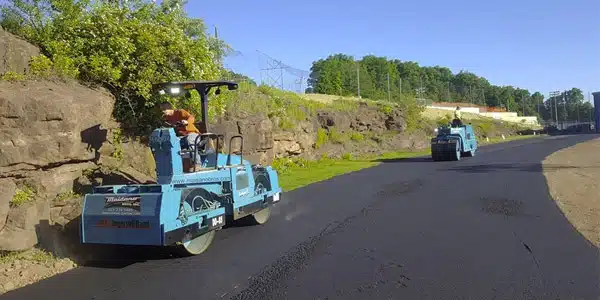
    Effective compaction relies on the proper application of rolling techniques and equipment. The compaction process typically involves the use of heavy rollers, including static steel wheel rollers and vibratory rollers, to achieve the desired density and smoothness of the asphalt surface.

    To ensure uniform compaction, construction crews should employ a systematic rolling pattern, starting from the outer edges of the pavement and gradually working toward the center. Overlapping each pass by at least one-half of the roller’s width helps eliminate gaps and achieve consistent compaction across the entire surface.

    Vibratory rollers are particularly effective for achieving high-density compaction in dense-graded mixes, as they generate vibratory forces that penetrate deeper into the asphalt layers, minimizing voids and air pockets.

    3. Proper Moisture Content

    Moisture content is another critical factor influencing asphalt compaction. Excessive moisture can hinder compaction efforts, resulting in decreased density and reduced pavement performance. Conversely, insufficient moisture can lead to premature cooling and inadequate bonding between asphalt particles.

    Construction crews must carefully monitor and adjust moisture levels during the paving process to ensure optimal compaction. Proper hydration techniques, such as using water sprayers or additives, can help control moisture content and improve workability without compromising compaction quality.

    4. Compaction Density Testing

    Regular density testing is essential to verify the effectiveness of compaction efforts and ensure compliance with project specifications. Non-destructive testing methods, such as nuclear density gauges or lightweight deflectometers, provide real-time measurements of asphalt density and stiffness, allowing construction crews to adjust compaction parameters as needed.

    Density testing should be conducted at various stages of the paving process, including during initial placement, intermediate rolling, and final compaction, to identify any potential issues early and address them promptly. By proactively monitoring compaction density, construction crews can optimize pavement performance and minimize the risk of premature failure.

    Conclusion

    Achieving optimal asphalt compaction is essential for the long-term performance and durability of paved surfaces. By adhering to best practices, including controlling temperature, employing proper rolling techniques, managing moisture content, and conducting regular density testing, construction crews can ensure that asphalt pavements meet or exceed project specifications and deliver superior quality and performance for years to come.

  • The Pitfalls of DIY Driveway Repair: Why It’s Best Left to Professionals

    The Pitfalls of DIY Driveway Repair: Why It’s Best Left to Professionals

    Maintaining a driveway is crucial for the safety, functionality, and aesthetic appeal of your property. When cracks, potholes, or other damages appear, the temptation to tackle repairs yourself may arise. However, embarking on a DIY driveway repair project can often lead to more problems than solutions. In this article, we explore the pitfalls of DIY driveway repair and why entrusting the task to professionals is the wisest choice.

    Lack of Expertise:

    One of the primary drawbacks of DIY driveway repair is the lack of expertise and specialized knowledge. Repairing a driveway requires an understanding of different paving materials, proper techniques, and equipment usage. Without the necessary expertise, DIY enthusiasts may inadvertently exacerbate existing issues or create new ones, leading to costly repairs down the line.

    Inferior Results:

    Achieving professional-quality results requires skill, precision, and experience. DIY driveway repair attempts often result in subpar outcomes, including uneven surfaces, visible patchwork, and inadequate durability. These inferior results not only compromise the aesthetic appeal of your property but also fail to address underlying structural issues, leading to further deterioration over time.

    Safety Concerns:

    Driveway repair can involve heavy machinery, sharp tools, and hazardous materials. Without proper safety training and equipment, DIY enthusiasts risk personal injury and property damage. Additionally, attempting repairs without adequate safety precautions can pose risks to family members, neighbors, and passersby. Entrusting driveway repair to professionals ensures adherence to safety protocols and minimizes the likelihood of accidents or injuries.

    Limited Resources:

    Professional driveway repair companies have access to specialized tools, equipment, and materials that are not readily available to DIYers. Attempting to repair a driveway with limited resources can result in inefficiencies, delays, and compromised outcomes. Professionals leverage their industry connections and resources to deliver superior results efficiently and effectively.

    Short-Term Fixes:

    DIY driveway repair solutions often prioritize short-term fixes over long-term solutions. While DIY patches and sealants may temporarily mask surface damages, they fail to address underlying structural issues or drainage problems. As a result, homeowners may find themselves repeatedly addressing the same issues or facing costly repairs sooner than expected. Professional driveway repair services offer comprehensive solutions that address root causes and ensure lasting results.

    Voided Warranties:

    Many paving materials come with manufacturer warranties that require professional installation and maintenance. Attempting DIY repairs may void these warranties, leaving homeowners unprotected against future defects or damages. By hiring professionals, homeowners can ensure compliance with warranty requirements and safeguard their investment in high-quality paving materials.

    Costly Mistakes:

    DIY driveway repair projects can quickly escalate into costly mistakes. Whether it’s improper preparation, incorrect material selection, or flawed application techniques, even minor errors can have significant repercussions. Repairing DIY mistakes often requires hiring professionals to undo the damage, resulting in additional expenses and delays. By avoiding DIY attempts and investing in professional driveway repair services upfront, homeowners can save time, money, and frustration in the long run.

    Conclusion:

    While the allure of DIY projects may be tempting, when it comes to driveway repair, entrusting the task to professionals is the best option. Professional driveway repair services offer expertise, quality craftsmanship, safety assurance, and long-lasting results that DIY attempts simply cannot match. By prioritizing professionalism and expertise, homeowners can ensure the safety, functionality, and aesthetic appeal of their driveways for years to come.