Category: Asphalt Paving, Grading, Milling, Reclaiming Blog

  • What is Frost Heave? Is Your Driveway Protected?

    What is Frost Heave? Is Your Driveway Protected?

    Frost heave is a common issue in regions that experience freezing temperatures as we have in New England, particularly affecting asphalt surfaces such as driveways, roads, and parking lots. Understanding the causes, effects, and prevention of frost heave is crucial for maintaining the integrity of asphalt surfaces and ensuring their longevity.

    What is Frost Heave?

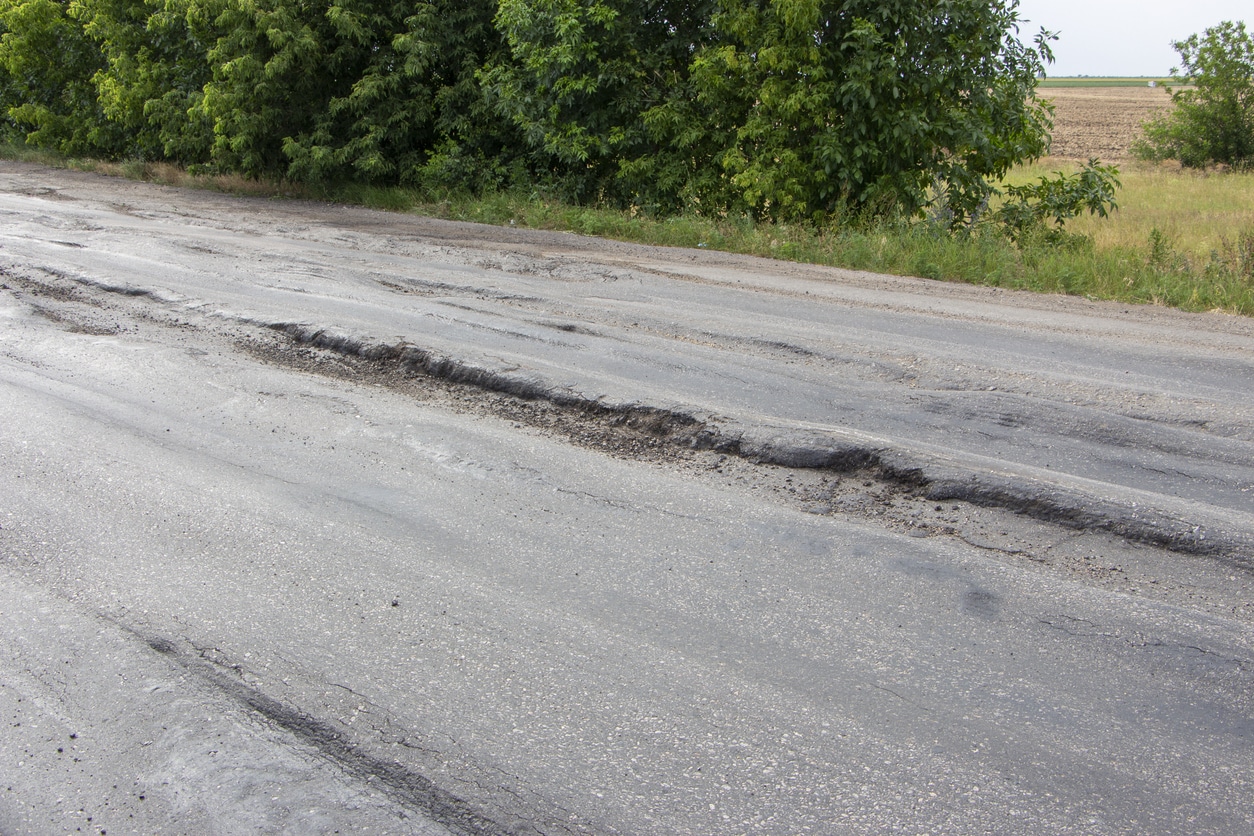
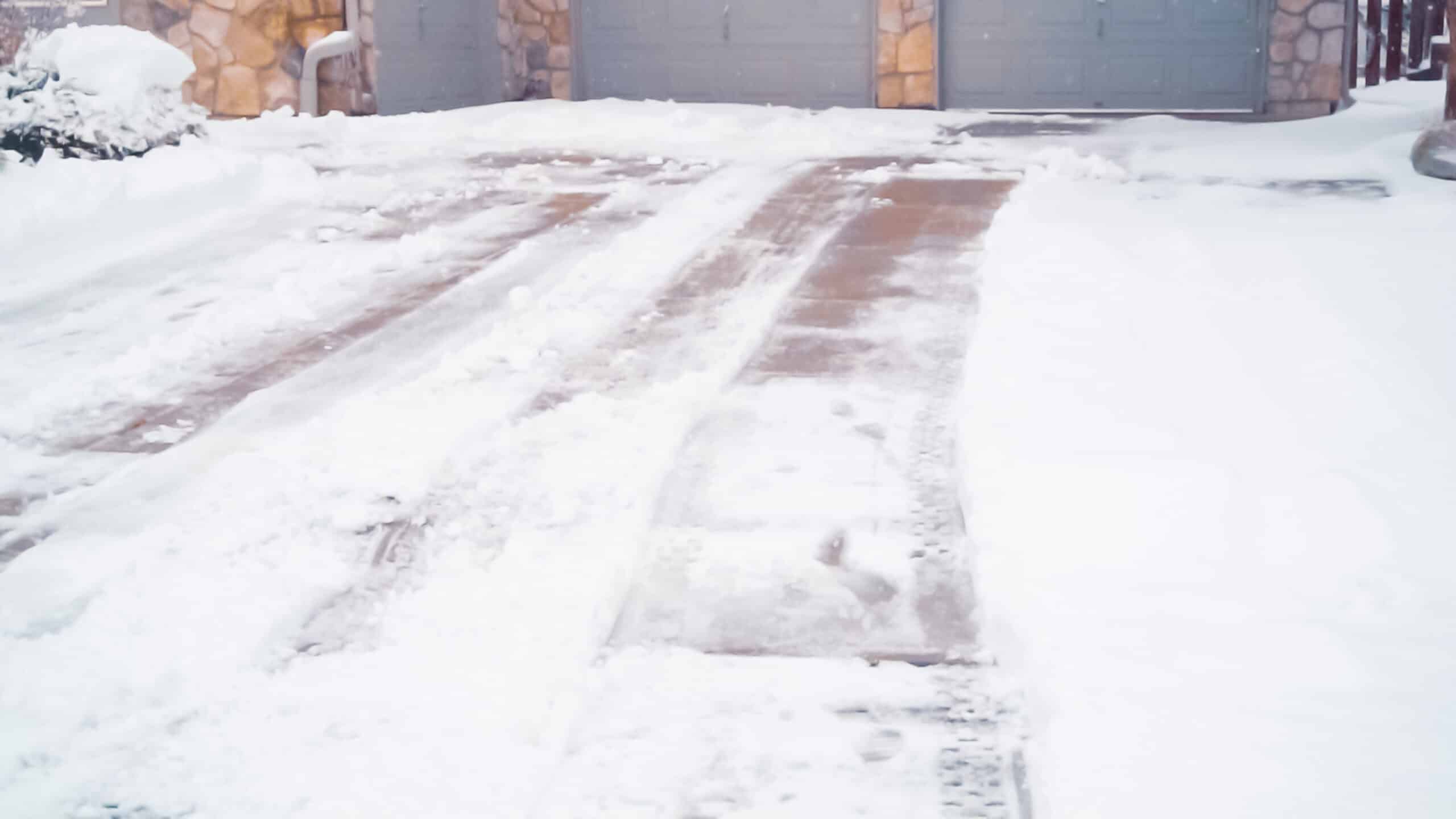
    Frost heave occurs when the ground beneath an asphalt surface freezes and thaws repeatedly. During the freezing process, moisture in the soil turns to ice, expanding and pushing the ground upward. When the ice melts during warmer periods, the ground contracts. This cycle of expansion and contraction can cause significant damage to asphalt surfaces, leading to cracking, buckling, and uneven surfaces.

    Causes of Frost Heave in Asphalt

    Soil Composition

    The type of soil beneath the asphalt plays a significant role in frost heave. Soils with high moisture content, such as clay and silt, are more prone to frost heave because they retain more water, which expands when frozen.

    Water Accumulation

    Poor drainage can lead to water accumulation beneath the asphalt surface. When this water freezes, it causes the ground to expand, leading to frost heave.

    Freeze-Thaw Cycles

    Regions with frequent freeze-thaw cycles are more susceptible to frost heave. The repeated freezing and thawing process causes the ground to shift and can lead to significant damage over time.

    Insufficient Base Layer

    A poorly constructed or insufficient base layer beneath the asphalt can make the surface more vulnerable to frost heave. The base layer acts as a buffer, and when it is not properly designed, it fails to protect the asphalt from the effects of frost heave.

      Effects of Frost Heave on Asphalt Surfaces

      Frost heave can lead to various issues with asphalt surfaces, including:

      • Cracking: The expansion and contraction of the ground can cause cracks to form on the asphalt surface. These cracks can widen over time, leading to more significant damage.
      • Uneven Surfaces: As the ground beneath the asphalt heaves, it can create an uneven surface. This not only affects the aesthetics of the asphalt but can also create hazards for vehicles and pedestrians.
      • Buckling and Warping: In severe cases, frost heave can cause the asphalt to buckle or warp, making the surface unusable.

      Preventing Frost Heave in Asphalt

      While it is challenging to completely eliminate the risk of frost heave, there are several measures that can be taken to minimize its impact:

      Proper Soil Preparation

      Before laying asphalt, it is crucial to prepare the soil properly. This includes removing any organic material, ensuring proper drainage, and compacting the soil to reduce the likelihood of frost heave.

      Quality Base Layer

      A well-constructed base layer is essential in preventing frost heave. Using materials that allow for proper drainage and provide stability can help protect the asphalt surface from the effects of freeze-thaw cycles.

      Improved Drainage Systems

      Installing an efficient drainage system can prevent water from accumulating beneath the asphalt surface. This reduces the risk of frost heave by minimizing the amount of water that can freeze and expand.

      Regular Maintenance

      Regular inspection and maintenance of asphalt surfaces can help identify early signs of frost heave. Repairing cracks and other minor damages promptly can prevent more extensive damage over time.

      Use of Frost-Resistant Materials

      In regions prone to frost heave, using frost-resistant materials for both the base layer and the asphalt mix can help mitigate the effects of freezing and thawing.

        Conclusion

        Frost heave is a significant concern for asphalt surfaces in colder climates, but with proper preparation and maintenance, its impact can be minimized. Understanding the causes and effects of frost heave allows for better prevention strategies, ensuring that asphalt surfaces remain functional and safe for years to come. Investing in quality materials, proper drainage, and regular maintenance is key to protecting asphalt from the damaging effects of frost heave.
      1. Ways to Effectively Remove Oil Stains from Your Asphalt Driveway

        Ways to Effectively Remove Oil Stains from Your Asphalt Driveway

        Key Takeaways
        • Fresh oil stains are easiest to remove by absorbing them quickly with inexpensive materials like cat litter before the oil penetrates the asphalt surface.
        • Dish soap works as an effective degreaser and, when combined with scrubbing, can break down oil residue trapped in the porous surface of asphalt pavement.
        • Mild stains can often be removed with household solutions such as baking soda, which helps absorb oil while gently scrubbing the asphalt.
        • Older or stubborn oil stains may require commercial degreasers designed to lift petroleum-based contaminants from asphalt driveways.
        • Preventing oil stains through regular cleaning and periodic driveway sealcoating helps protect the asphalt binder and keeps the driveway looking clean and well maintained.

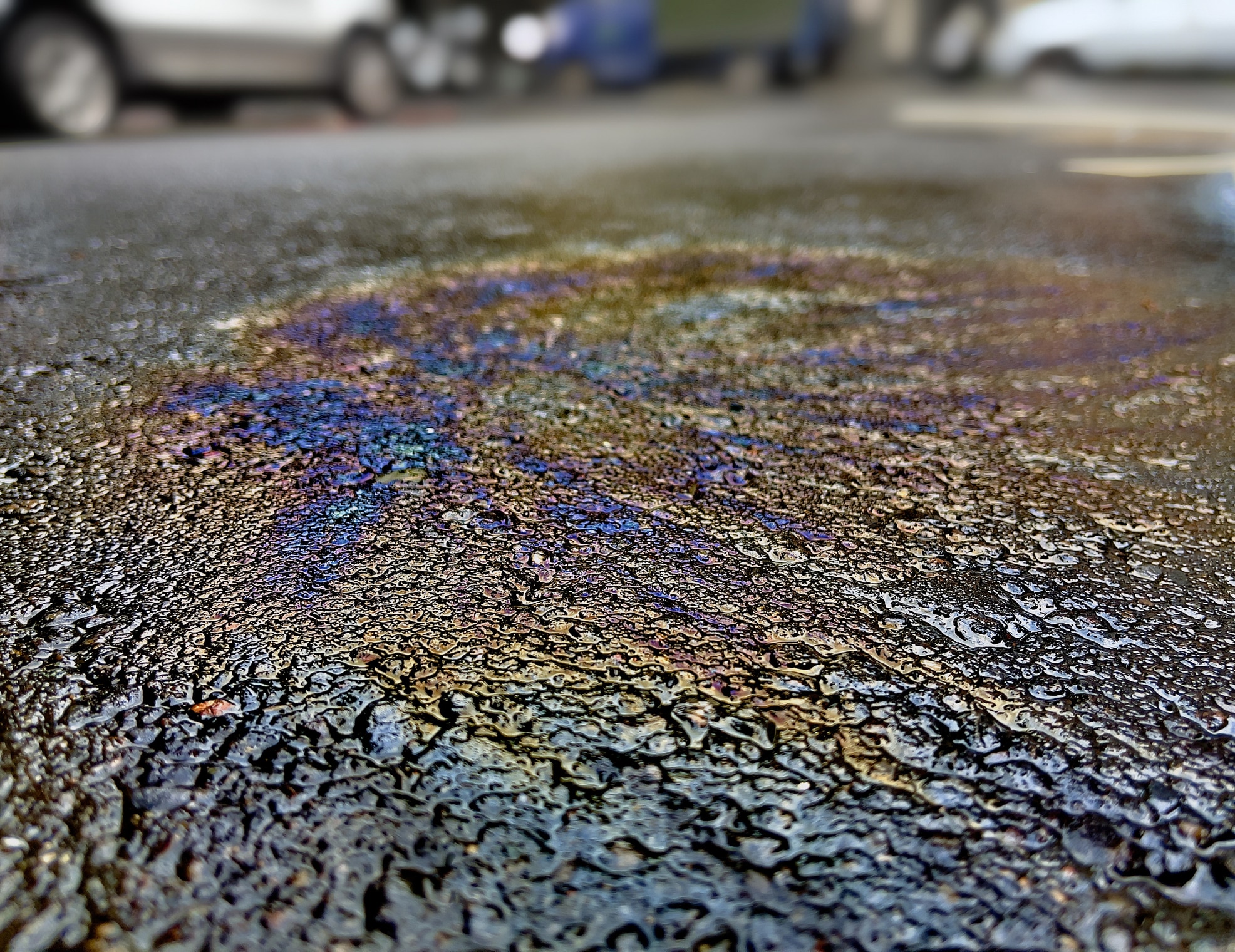
        Oil stains on an asphalt driveway can be unsightly and challenging to remove, but with the right techniques, you can restore your driveway to its original condition (or close to it). Here’s a detailed guide on how to effectively tackle oil stains:

        Absorbing Fresh Oil with Cat Litter

        One of the simplest methods for dealing with fresh oil stains is to use cat litter. This highly absorbent material works best when the spill is still recent. Spread a thick layer of cat litter over the stain and allow it to sit for at least 24 hours. The litter will soak up the oil, making it easier to clean. After the time has passed, simply sweep up the litter and dispose of it. This method is especially useful for fresh spills, as it helps to prevent the oil from penetrating deeper into the asphalt.

        No need to get expensive! The least expensive cat litter will help absorb the oil stains from your driveway.

        Using Dish Soap to Break Down Oil

        Dish soap is a powerful degreaser, making it an effective tool for removing oil stains. Apply a generous amount of dish soap directly onto the oil stain. Use a stiff-bristled brush to scrub the soap into the asphalt, breaking down the oil. After thoroughly scrubbing, rinse the area with warm water to wash away the soap and loosened oil. This method may need to be repeated for older or more stubborn stains, but it’s a simple and readily available solution that works well for many homeowners.

        Any dish soap in addition to scrubbing should help you achieve the desired result.

        Note: Durable materials like concrete and asphalt can handle rigorous scrubbing. Don’t hesitate to use some elbow grease and a sturdy brush to effectively tackle those tough oil stains.

        Baking Soda for Mild Stains

        Baking soda is another common household item that can be used to treat oil stains. Its mildly abrasive nature helps to break down oil while also absorbing it. To use this method, sprinkle baking soda over the stain, ensuring it covers the area completely. Scrub the baking soda into the stain with a brush and let it sit for about 30 minutes. Then, rinse the area thoroughly with water. Baking soda is particularly effective on smaller or less severe stains and offers a gentle cleaning option that’s safe for asphalt.

        Applying Commercial Degreasers for Tough Stains

        For more persistent oil stains that don’t respond well to household remedies, commercial degreasers are often the best option. These products are specifically designed to break down and lift tough oil stains from surfaces like asphalt. Follow the manufacturer’s instructions carefully, applying the degreaser to the stain and allowing it to sit for the recommended amount of time. Afterward, scrub the area with a stiff brush and rinse thoroughly with water. Commercial degreasers are powerful and effective, making them ideal for larger or older stains that have been set into the asphalt.

        Power Washing for Deep Cleaning

        When dealing with large, stubborn stains or when you want to clean a larger area of your driveway, power washing can be an excellent solution. A power washer uses high-pressure water to blast away dirt, grime, and oil from the surface of the asphalt. For the best results, pre-treat the stain with a degreaser before power washing. This combination helps to lift the oil from the asphalt, leaving your driveway clean and stain-free. Power washing is not only effective for oil stains but also for general maintenance, keeping your driveway looking its best.

        Frequently Asked Questions

        What is the best way to remove oil stains from an asphalt driveway?

        For a fresh spill, first absorb as much oil as possible with an absorbent such as clay cat litter, then clean the area with a degreasing cleaner and scrub as needed. Older stains are harder to fully remove because asphalt is porous, so the goal is often to reduce the stain significantly rather than restore a perfect like-new appearance.

        Does cat litter really absorb oil stains from asphalt?

        Yes. Plain clay cat litter can absorb fresh oil sitting on the surface, which helps limit how much oil penetrates the pavement. It works best immediately after the spill, not as a guaranteed cure for older set-in stains.

        Can dish soap remove oil stains from asphalt?

        Yes, dish soap can help break down surface oil because it acts as a degreaser. It is most effective on light or newer stains and may need repeated scrubbing. For deeper or older stains, a stronger asphalt-safe degreaser may work better.

        Is baking soda effective for cleaning driveway oil stains?

        Baking soda can help with small or mild stains because it provides light absorption and mild abrasion during scrubbing. It is a reasonable household option, but it is usually less effective on heavy petroleum stains than dedicated degreasers.

        When should you use a commercial degreaser on asphalt?

        Use a commercial degreaser when the stain is older, darker, larger, or still visible after basic cleaning methods. Follow the product label carefully and make sure the cleaner is suitable for asphalt surfaces.

        Can power washing remove oil stains from asphalt driveways?

        Power washing can help, especially after pretreating the stain with a degreaser, but it should be used carefully. Excessive pressure can damage surfaces, and pros note that the correct pressure matters because too much pressure can crack asphalt.

        Do oil stains damage asphalt driveways?

        Yes. Petroleum products can soften or weaken asphalt because asphalt binder itself is a petroleum-based material, making it vulnerable to fuels and oils. That is why prompt cleanup matters.

        How can you prevent oil stains on your driveway?

        The best prevention is to clean spills quickly, keep the driveway maintained, and use sealcoating as part of a broader maintenance plan. A sealed surface can make cleanup easier and offers added protection from vehicle fluids.

        Does sealcoating help protect against oil stains?

        Yes, sealcoating can help resist penetration from oil and other vehicle fluids, though it does not make the driveway stain-proof. It is best viewed as a protective maintenance layer, not a permanent shield.

        How often should an asphalt driveway be sealed to help protect against stains?

        A common industry rule of thumb is about every 2 to 3 years, but the right interval depends on traffic, weather, and the condition of the driveway. Some sources suggest longer intervals in lighter-use situations, so this is better stated as a typical range rather than a hard rule.

        Will oil permanently stain an asphalt driveway?

        Oil can leave a lasting dark mark on asphalt, especially if it sits too long, but quick cleanup and the right degreasing method can often reduce the stain and help protect the pavement from further damage.

        Preventing Future Stains

        While these methods can effectively remove existing oil stains, prevention is key to maintaining the appearance of your driveway. Here are a few tips to help prevent future oil stains:

        • Prompt Cleanup: Address any oil spills immediately to prevent the oil from seeping into the asphalt.
        • Regular Maintenance: Keep your driveway clean by regularly washing it and addressing minor stains before they become more significant problems.
        • Sealcoating: Consider sealcoating your driveway every few years. Sealcoating creates a protective barrier that helps prevent oil and other substances from penetrating the asphalt, making future stains easier to clean.

        By using these methods and maintaining your driveway, you can keep it looking clean and well-maintained for years to come.

      2. The Surprising Environmental Benefits of Using Asphalt Concrete for Paving

        The Surprising Environmental Benefits of Using Asphalt Concrete for Paving

        Asphalt is everywhere. It’s the most noticeable material in paving, from highways to driveways. While its durability and cost-effectiveness are well recognized, asphalt concrete’s environmental benefits are also surprisingly significant but less widely known. This article explores how asphalt contributes to sustainable building practices and environmental conservation, right there in your own neighborhood or town.

        Recycling and Reusability

        Asphalt stands out for its recyclability, with the National Asphalt Pavement Association noting that it is the most recycled product in the United States. Old asphalt pavements are frequently milled and recycled into new pavements, reducing the need for virgin raw materials and minimizing waste in landfills. This process conserves natural resources and reduces environmental impact, making asphalt a preferable choice in eco-friendly construction and renovation projects.

        Energy Efficiency

        The production of Warm Mix Asphalt (WMA) requires temperatures that are 50 to 70 degrees Fahrenheit lower than those needed for Hot Mix Asphalt (HMA). This significant reduction in heating requirements leads to lower emissions of greenhouse gases and pollutants. Additionally, the lower temperature decreases fuel consumption, enhancing overall energy efficiency in road construction and maintenance. This is not some kind of a pipe dream, but it is highly effective technology, currently being produced and used in 44 states across the country.

        Durability and Maintenance

        Asphalt concrete’s longevity means roads and driveways need less frequent replacement or repair, leading to a decrease in the use of construction materials and resources over time. Technological advancements in asphalt mixes also contribute to this durability, further enhancing its environmental benefit by prolonging the pavement lifecycle and reducing the frequency of resource-intensive repair work.

        Water Management and Quality

        Prepare to be amazed! Did you realize that there is such a thing as “porous asphalt”? Absolutely, because porous asphalt is an innovative solution that addresses urban runoff and water quality issues by allowing water to drain through the pavement surface into the ground below, thus recharging aquifers and reducing stormwater runoff. This type of pavement system diminishes the impact on local sewer systems and mitigates the risk of flooding, playing a crucial role in sustainable urban planning. By having fewer ‘fines’ (rock dust, sand, etc.) in the mix, the gap between aggregate is slightly greater–just enough to allow a pass-through of water. The ecological benefit is that allowing the water to percolate into the soil beneath the asphalt rather than just flow across the surface, out to the street, and then to oceans and waterways, it gets directly returned to the aquifers below ground. 

        Reduction of Urban Heat

        Asphalt’s potential to minimize urban heat islands is significant. Reflective or lighter-colored asphalt surfaces reflect more sunlight and absorb less heat than traditional black asphalt. This property can significantly reduce urban temperatures, decreasing the demand for air conditioning in surrounding buildings and thus reducing energy consumption and associated emissions. Heat islands are defined as urban areas that are warmer in the summer because of the preponderance of nearby buildings, other structures, and roads. EPA – Heat Islands

        Noise Reduction

        Asphalt pavements contribute to reduced noise pollution compared to other pavement types. The smooth surface of asphalt absorbs road noise better, leading to quieter neighborhoods and urban areas. This reduction in noise pollution not only enhances the quality of life but also contributes to a healthier urban environment.

        Conclusion

        Asphalt offers numerous environmental benefits that make it a smart choice for sustainable construction and paving projects. In fact, the Virginia Asphalt Association labels asphalt concrete as “…the most sustainable paving material for constructing pavements…”

        Its ability to be recycled, combined with its energy-efficient production processes and contributions to improved water management and reduced urban heat, underscores its role in environmental stewardship. Opting for an asphalt driveway or pavement reflects a commitment to sustainability and responsibility toward preserving our environment for future generations.

        Secure Your Custom Asphalt Paving Estimate Today!

        When planning your next paving project, consider asphalt not just for its practical and economic advantages but also for its environmental benefits. By choosing asphalt, you’re opting for a material that supports sustainable development and offers a range of ecological advantages.

        A good way to begin is to contact one of the designers in the estimating department at Maisano Brothers, Inc., paving contractors, now in its 57th year of service to this community. They can supply you with design ideas and cost information. At the very least, it’s a great way to begin.

      3. The Difference Between Hot Mix Asphalt and Cold Mix Asphalt

        The Difference Between Hot Mix Asphalt and Cold Mix Asphalt

        Asphalt is a popular choice for paving due to its affordability, ease of repair, and maintenance. However, understanding the differences between hot mix and cold mix asphalt is essential for selecting the right material for your project.

        Hot Mix Asphalt

        Composition and Application

        Hot mix asphalt combines aggregates like sand, gravel, and asphalt cement, which are heated to 300-500 degrees before application. It’s typically used for large-scale projects such as roads, parking lots, and driveways. The high temperature ensures a strong bond between the components, resulting in a durable surface.

        Pros:

        Weather-Resistant

        Hot mix asphalt performs well in extreme weather conditions. Its ability to absorb heat helps in melting snow and ice quickly, enhancing safety.

        Quick Cooling

        Despite being applied at high temperatures, hot mix asphalt cools rapidly, allowing roads and driveways to be used within hours after installation. This minimizes disruption and road closures.

        Durability

        The high-temperature application creates a strong bond among aggregates, making it highly durable and suitable for high-traffic areas like highways and commercial parking lots.

        Flexibility

        Asphalt’s flexibility allows it to expand and contract with temperature changes, reducing the risk of cracks compared to more rigid materials like concrete.

        Cons:

        Higher Cost

        Hot mix asphalt is more expensive than cold mix asphalt due to the materials and heating process involved. However, its longevity and durability often justify the higher initial cost.

        Temperature Constraints

        Installation of hot mix asphalt requires ambient temperatures to be at least 40 degrees Fahrenheit, limiting its use during colder months in certain regions.

        Cold Mix Asphalt

        Composition and Application

        Cold mix asphalt is a more straightforward mixture that doesn’t require heating. It is typically used for temporary repairs and small-scale patches. This type of asphalt can be stored and used as needed, making it convenient for addressing potholes and minor cracks quickly.

        Pros:

        Cost-Effective

        Cold mix asphalt is significantly cheaper than hot mix asphalt. It is also easy to apply, making it ideal for quick fixes.

        Convenient for Temporary Fixes

        Because it doesn’t require heating, cold mix asphalt is perfect for temporary repairs during colder months or when immediate repairs are needed. It can prevent further damage until a more permanent solution can be applied.

        Cons:

        Less Durable

        Cold mix asphalt is not designed for long-term use. It lacks the strong binding properties of hot mix asphalt, making it more susceptible to wear and tear.

        Not Suitable for Heavy Traffic

        This type of asphalt is best for low-traffic areas or temporary repairs. For more permanent solutions in high-traffic areas, hot mix asphalt is recommended.

        Making the Right Choice

        Choosing between hot mix and cold mix asphalt depends on your specific needs and circumstances. Here are some factors to consider:

        Project Scale

        For large-scale projects like highways, parking lots, and driveways, hot mix asphalt is the preferred choice due to its durability and weather resistance. For smaller, more temporary repairs, cold mix asphalt is suitable and cost-effective.

        Weather Conditions

        In regions with extreme temperature variations, hot mix asphalt is more reliable. Cold mix asphalt is useful in colder conditions when hot mix cannot be applied.

        Budget

        If budget constraints are a concern and the project does not require long-term durability, cold mix asphalt provides a cost-effective solution. However, for high-traffic areas, investing in hot mix asphalt can offer better long-term value.

        Conclusion

        Understanding the differences between hot mix and cold mix asphalt is crucial for making an informed decision. Hot mix asphalt offers superior durability and weather resistance, making it ideal for permanent installations in high-traffic areas. Cold mix asphalt, on the other hand, provides a cost-effective and convenient solution for temporary repairs and low-traffic applications. Consulting with professional paving contractors can help determine the best option for your specific project, ensuring a durable and effective paving solution.

      4. What is a Chip Seal Driveway? Professional Installation, Maintainance, and Repair.

        What is a Chip Seal Driveway? Professional Installation, Maintainance, and Repair.

        Chip seal driveways, also known as tar-and-chip or seal chip driveways, provide an attractive, durable, and cost-effective alternative to traditional asphalt. Here’s a comprehensive look at what chip seal driveways are, their benefits, common questions, installation process, and maintenance tips.

        What is a Chip Seal Driveway?

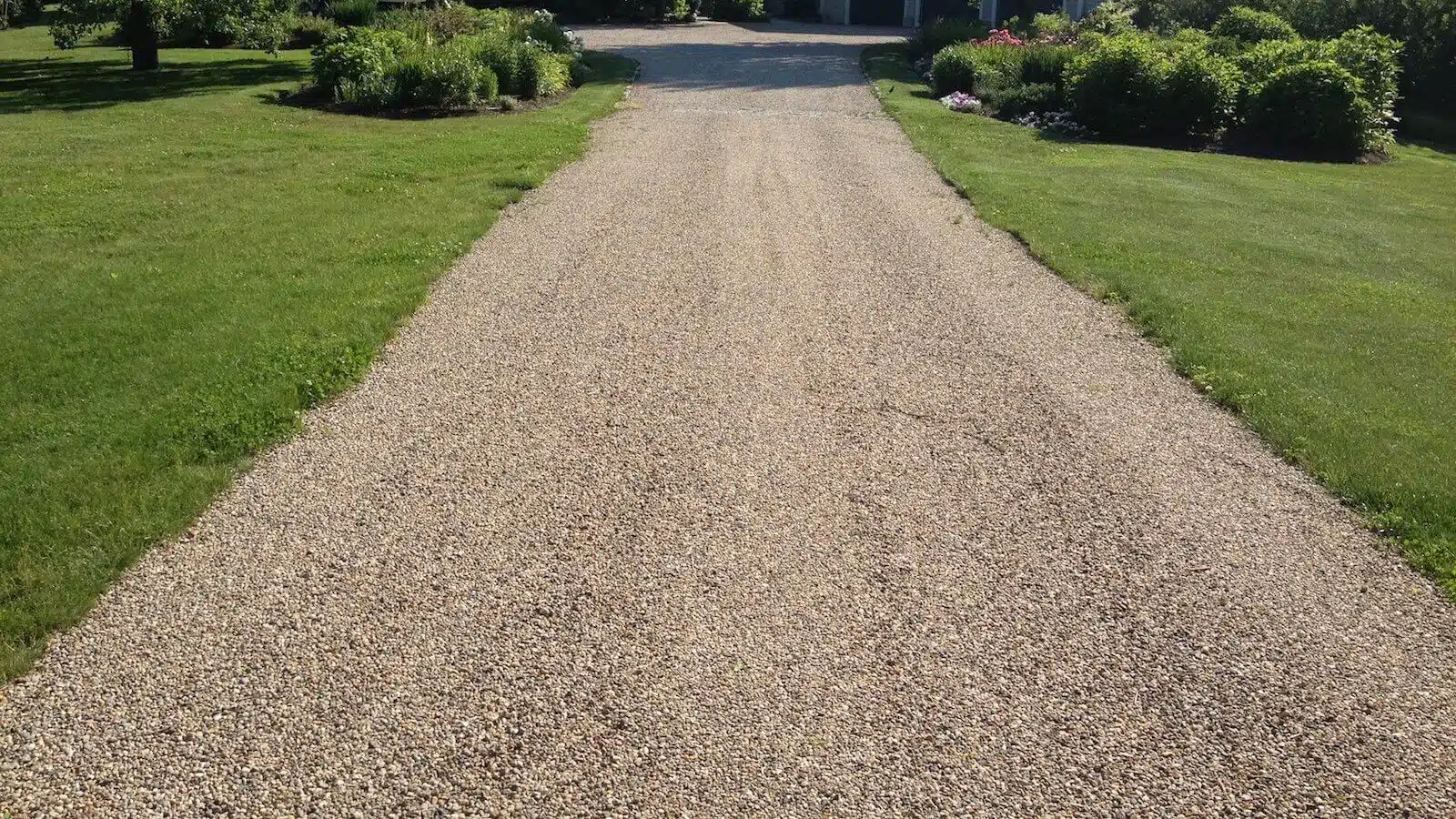
        A chip seal driveway is constructed by applying a layer of hot liquid asphalt to a prepared base, followed by a layer of crushed stone. The stones are then compacted into the asphalt, creating a textured, durable surface. This method combines elements of both gravel and asphalt driveways, offering the benefits of both materials.

        Benefits of Chip Seal Driveways

        Cost-Effective

        Chip seal driveways are typically more affordable than traditional asphalt or concrete driveways. The materials and installation process are less expensive, making it a budget-friendly option for many homeowners.

        Aesthetic Appeal

        The appearance of a chip seal driveway can be customized by choosing different colors and types of stone. This allows homeowners to create a unique look that complements their property’s style. The natural look of chip seal can blend seamlessly with various landscape designs.

        Durability

        The combination of asphalt and stone provides a robust surface that can withstand various weather conditions and heavy traffic. With proper maintenance, a chip seal driveway can last for many years, providing long-term value.

        Low Maintenance

        Chip seal driveways require less maintenance compared to traditional asphalt. Occasional reapplication of the chip seal layer can refresh the surface and address any minor issues. They are also less prone to cracking compared to asphalt.

        Quick Installation

        The installation process for chip seal driveways is relatively quick, reducing the inconvenience to homeowners. It can often be completed in a day or two, depending on the size of the driveway.

          5 Common Questions About Chip Seal Driveways

          How Long Does a Chip Seal Driveway Last?

          A chip seal driveway can last between 7 to 10 years, depending on factors such as climate, traffic, and maintenance practices. Regular upkeep, such as resealing, can extend its lifespan.

          What is the Installation Process?

          The installation process involves several steps:

          • Preparation: The existing base is graded and compacted.
          • Application of Asphalt: A layer of hot liquid asphalt is evenly applied.
          • Spreading of Stones: Crushed stone is spread over the hot asphalt.
          • Compaction: The stones are compacted into the asphalt to create a smooth surface.

          Can It Be Applied Over Existing Driveways?

          Yes, chip seal can be applied over existing gravel or asphalt driveways, making it a versatile option for resurfacing older pavements. This can save time and reduce the cost of completely removing the old driveway.

          How Does Weather Affect a Chip Seal Driveway?

          Chip seal driveways perform well in various weather conditions. However, extreme temperatures and heavy rainfall can impact their longevity. Proper drainage and timely maintenance help mitigate weather-related issues. For areas with heavy snowfall, it is important to ensure proper snow removal techniques to avoid damage.

          Is a Chip Seal Driveway Suitable for All Areas?

          While chip seal driveways are suitable for many regions, they are particularly popular in rural and suburban areas. They may not be the best choice for areas with extremely high traffic volumes or severe freeze-thaw cycles, as these conditions can accelerate wear and tear.

            Maintenance Tips for Chip Seal Driveways

            Regular Inspection

            Periodically inspect your driveway for any signs of wear or damage. Early detection allows for timely repairs and prevents further deterioration. Look for loose stones, cracks, or areas where the asphalt is exposed.

            Seal Coating

            Applying a seal coat every few years helps maintain the driveway’s integrity and appearance. This layer protects the underlying materials from the elements and extends the life of the driveway.

            Cleaning

            Keep the surface clean by removing debris, leaves, and dirt. This prevents organic material from breaking down and causing damage to the asphalt and stone layers. Regular sweeping and washing can help maintain its appearance.

            Prompt Repairs

            Address any issues such as potholes or cracks immediately to prevent them from worsening. Small problems can quickly become larger ones if not addressed in a timely manner.

            Snow Removal

            Use a rubber-bladed shovel or snow blower to remove snow to avoid damaging the surface. Avoid using metal blades that can scrape and damage the stone layer.

            Installation Considerations

            Base Preparation

            Proper preparation of the base is crucial for the longevity of a chip seal driveway. Ensure the base is well-graded and compacted.

            Material Quality

            Use high-quality asphalt and stone materials to ensure a durable and long-lasting surface.

            Professional Installation

            While some homeowners may consider a DIY approach, professional installation is recommended to ensure proper application and compaction.

            Conclusion

            Chip seal driveways offer a cost-effective, durable, and aesthetically pleasing alternative to traditional asphalt and concrete driveways. By understanding the installation process, benefits, and maintenance requirements, homeowners can make an informed decision about whether a chip seal driveway is right for their property. Proper care and regular maintenance will ensure that your chip seal driveway remains a beautiful and functional part of your home for years to come.

          1. How To Tackle Asphalt Rutting? Identify. Assess. Prevent.

            How To Tackle Asphalt Rutting? Identify. Assess. Prevent.

            Asphalt rutting is a common pavement distress characterized by surface depressions in the wheel paths of roads, driveways, and parking lots. Recognizing the causes and implementing preventive measures can significantly enhance the durability and safety of asphalt surfaces. Here are the primary causes of asphalt rutting and ways to prevent it.

            The Role of Subgrade Stability

            An unstable subgrade is a major contributor to asphalt rutting. The subgrade is the ground layer beneath the pavement, which must be properly prepared and stable to support the asphalt above. When the subgrade shifts or compacts under traffic loads, it causes the pavement to deform and form ruts. Proper soil stabilization and compaction techniques are essential during the construction phase to ensure a solid foundation. Techniques such as soil testing, moisture control, and the use of geotextiles can help in achieving a stable subgrade.

            The Importance of Subbase Thickness

            The subbase layer, typically made of crushed gravel or stone, plays a crucial role in distributing traffic loads and providing support to the asphalt layer. If the subbase is too thin or inadequately compacted, it cannot effectively support the asphalt, leading to rutting. Ensuring the subbase is of sufficient thickness and properly compacted during construction is vital for preventing rutting. The recommended thickness of the subbase depends on the expected traffic load and soil conditions, but generally, it should be between 6 to 12 inches.

            Impact of Asphalt Mix Design

            The asphalt mix design directly impacts the pavement’s ability to withstand traffic loads and environmental conditions. A mix with improper aggregate size, insufficient binder content, or inadequate stiffness can lead to rutting. It is crucial to use a well-designed asphalt mix that meets the specific requirements of the project to ensure long-lasting performance. The selection of high-quality materials and proper proportioning of aggregates and binders is essential. Using additives like polymers can enhance the mix’s resistance to deformation.

            Effects of Rutting

            Rutting can lead to hazardous conditions for vehicles, including hydroplaning in wet conditions. It also accelerates the wear and tear of the pavement, leading to more extensive and costly repairs over time. In severe cases, rutting can compromise the structural integrity of the pavement, necessitating complete reconstruction.

            Preventive Measures

            To prevent asphalt rutting, consider the following measures:

            • Proper Site Preparation: Ensure thorough compaction and stabilization of the subgrade and subbase layers. Soil testing and remediation methods, such as lime or cement stabilization, can improve subgrade stability.
            • Quality Asphalt Mix: Use a well-designed asphalt mix with appropriate aggregate size and binder content. Implementing superpave mix design methods can help optimize the asphalt mixture.
            • Regular Maintenance: Perform routine inspections and maintenance to address early signs of distress before they escalate into severe rutting. Crack sealing and seal coating can prevent water infiltration and subsequent damage.
            • Professional Installation: Engage experienced and reputable paving contractors to ensure high-quality construction practices. Proper training and adherence to industry standards are crucial for long-lasting pavements.
            • Load Management: For heavily trafficked areas, consider implementing load restrictions or using materials and designs that can better withstand high loads, such as reinforced asphalt layers or thicker pavement structures.

            Case Studies and Examples

            Several case studies highlight the effectiveness of preventive measures in combating asphalt rutting. For instance, a highway in Texas underwent rehabilitation using a polymer-modified asphalt mix, which significantly reduced rutting and extended the pavement’s life. Similarly, a commercial parking lot in California was constructed with an enhanced subbase thickness and stabilized subgrade, resulting in minimal rutting even under heavy traffic conditions.

            Conclusion

            Asphalt rutting can significantly impact the safety and longevity of pavements. By understanding the causes, such as unstable subgrade, insufficient subbase thickness, and poor mix design, and implementing preventive measures, you can maintain a smooth and durable asphalt surface. For more information on asphalt maintenance and repair, visit Pavement Interactive or Illinois Asphalt Pavement Association (PDF).

            Maintaining the integrity of your asphalt surfaces not only enhances their aesthetic appeal but also ensures the safety and comfort of all users. Proper planning, construction, and maintenance practices are key to preventing asphalt rutting and ensuring the long-term performance of your pavements.

          2. Top Asphalt Paving Scams and How to Avoid Them: A Homeowner’s Guide

            Top Asphalt Paving Scams and How to Avoid Them: A Homeowner’s Guide

            You know that it’s important to only hire qualified contractors and service providers when it comes to doing any necessary work on your property. But how can you do this? How can you avoid being scammed by unscrupulous people hoping to take advantage of you and make a quick buck? There are some telltale signs, and we at Maisano Bros Paving offer the following suggestions, which come from a variety of sources, job sites, and contractors across the country. There are many scams out there. Here are ten that are tried most often. (Note: not in any particular order; just be aware! News sources are available by contacting our office.)

            1. Leftover Asphalt Scam

            Contractors may claim they have leftover asphalt from another job nearby and offer to complete your driveway for a significantly reduced price. The asphalt used in such cases is often near the end of its usable life, which means it may not set properly, leading to poor durability and rapid deterioration. Homeowners should be skeptical of any deal that seems too good to be true and verify the contractor’s claims before proceeding​ (Better Business Bureau)​.

            2. High-Pressure Sales

            Some unscrupulous contractors use high-pressure sales tactics to rush homeowners into making a decision. They may claim that a special price is only available if you commit immediately. According to a paving company in Illinois, legitimate businesses understand the importance of careful consideration and are usually willing to provide detailed quotes and wait for your decision​ ​.

            3. Upfront Cash Payments

            Be cautious of any contractor who demands a large payment in cash before starting work. This is a common tactic used by scammers to take the money and run. Reputable contractors will typically structure payments according to milestones or after the completion of the job, often accepting checks or credit cards, which offer more security for the consumer​. In most states, licensing law requires this.

            4. Vague Contractor Details

            Scammers often provide vague or inconsistent details about their business. They may lack a permanent address, use unmarked vehicles, or have out-of-state license plates. A paving company in the Midwest suggests that consumers always verify the contractor’s credentials, check their physical address, and look for branded vehicles that suggest a legitimate business operation.

            5. Unsolicited Offers

            Professional asphalt companies do not normally solicit door-to-door. If a contractor appears without an invitation, offering to pave your driveway, it could be a sign of a scam. It’s essential to initiate contact yourself through trusted channels and verify the legitimacy of the business before agreeing to any services​ (Better Business Bureau)​​

            6. Lack of Written Contracts

            A legitimate paving project should always come with a detailed contract that outlines the scope of work, materials to be used, timelines, and costs. Be wary of contractors who do not provide a contract or only offer a vague agreement that doesn’t specify detailed job descriptions or payment terms​. Legitimate, well-established companies will all tell you this.

            7. Substandard Subsurface Preparation

            Proper preparation of the subsurface is crucial for a durable driveway. Many contractors have run into scammers who may skimp on this part of the project, rushing the job and using inadequate materials, which can lead to significant problems like cracking and water pooling soon after completion​, in their attempt to give a low bid.

            8. Misrepresentation of Services

            Most pavers across this country have found that scammers often exaggerate their qualifications or the scope of their services to win contracts. They might claim extensive experience, endorsements, or affiliations they do not possess. Always verify such claims independently and ask for references​.

            9. Unrealistically Low Bids

            Extremely low bids can be a red flag. According to the BBB, such bids often mean the contractor plans to use subpar materials, avoid necessary site preparation, or engage in other cost-cutting measures that compromise the quality of the finished driveway. Compare bids from several contractors to understand what a reasonable price should be​​.

            10. Incremental Commitment Scam

            Some scammers engage homeowners slowly, starting with something small like a free assessment. A Midwest paving company cautions homeowners that the scammers build trust and then escalate their demands for commitment or money. Remember, legitimate contractors typically provide free estimates only after being contacted by the homeowner and do not pressure immediate commitments.

            Lastly, here’s a helpful tip from the Better Business Bureau (BBB) regarding payment for services.

            Use safe payment methods.

            Paying with a credit card provides peace of mind since the credit card company will help you if the company is fraudulent. If you use a check, write it to a company, not an individual. Paying cash or using an electronic wallet app is risky since there is no way to stop the payment or get some money back if anything goes wrong.”

            Contact Maisano Bros. Inc. today for your free estimate

            Being informed is your best defense against asphalt paving scams. Always do thorough research, seek multiple quotes, check references, and insist on detailed contracts. If a deal seems too good to be true, it probably is. Remember, quality work comes at a fair price and with professional conduct from the contractor.

            Maisano Bros Paving hopes that by raising awareness of these common scams, this article will empower homeowners and other property managers to make informed decisions and protect their investments in their property improvement projects.

          3. How Does Summer Heat and Weather Affect Asphalt?

            How Does Summer Heat and Weather Affect Asphalt?

            Asphalt surfaces, while durable, are susceptible to damage from high temperatures and UV rays. Understanding how summer weather impacts asphalt can help in maintaining and extending its lifespan. Here’s a breakdown of the primary issues caused by summer heat:

            Oxidation

            Asphalt oxidation is a form of deterioration triggered by UV rays from the sun. This chemical reaction causes the light oils in the asphalt to mix with heavier oils, reducing the binding oils that provide structural integrity. As oxidation progresses, the asphalt loses its elasticity and becomes brittle, making it prone to cracks, buckling, and failure. This deterioration also causes the asphalt to fade from a dark black to a lighter black-grey hue, affecting the appearance and stripping pavement markings on roads and parking lots. The more UV radiation the asphalt is exposed to, the more severe the oxidation, leading to deep cracks and potholes. While asphalt naturally ages over decades, the sun’s rays can accelerate this process significantly.

            Cracking

            Cracking in asphalt can result from both solar radiation and oxidation, as well as thermal changes. During extreme heat, such as temperatures over 90°F, asphalt expands. When temperatures drop at night or during rain, the asphalt contracts. This constant expansion and contraction lead to cracks, and in severe cases, the road may buckle. Cracking is common in older asphalt but can also occur in newly installed surfaces if the installation is improper or maintenance is neglected. Heavy traffic on roads and parking lots can exacerbate this issue. Cracking allows water to infiltrate, causing further damage. As temperatures drop, the trapped water can freeze, expanding and damaging the asphalt subbase, making timely repairs crucial.

            Raveling

            Raveling occurs when water or excess moisture enters cracks in the asphalt, leading to binder cohesion failure within the asphalt mixture. This process causes the asphalt to break apart along with the aggregate and soil, further damaging the surface. Raveling is often due to inadequate compaction or separation of the binder and aggregate, but it typically results from asphalt cracking. The more cracks present, the more susceptible the asphalt is to damage, which can lead to settling, rutting, or base failure from water penetration.

            Tracking

            Tracking happens when the asphalt absorbs the sun’s heat energy, causing surface temperatures to rise significantly. As a result, the asphalt surface can soften, releasing tiny specks that stick to shoes or tires. Although tracking is not a severe issue, it indicates the asphalt’s inability to withstand extreme heat temperatures. Asphalt’s solar reflectance values range from 0.04 to 0.16, whereas concrete ranges from 0.18 to 0.35, with darker asphalt absorbing more heat.

            Preventive Measures

            Heat damage to asphalt is inevitable, but you can take steps to minimize its impact and extend the lifespan of your driveway or road. Applying a seal coat and performing regular asphalt repairs are effective ways to protect against excessive damage. Regular maintenance can prevent small issues from becoming significant problems, ensuring a smooth, durable surface for years to come.

            Understanding these factors and taking proactive measures will help you maintain your asphalt surfaces in optimal condition, even under the harsh summer sun. Is your driveway cracked, crumbling, discolored or looks neglected? Contact Maisano Bros today at (203) 239-5405 or request a free estimate here!

          4. Getting a New Asphalt Driveway? How Good is the Foundation Material Below It?

            Getting a New Asphalt Driveway? How Good is the Foundation Material Below It?

            The foundation of an asphalt driveway plays a crucial role in its longevity and performance. Much like a house needs a solid base to support it and help withstand the elements and time, so too does an asphalt driveway require a well-prepared subgrade and base. This article delves into why the condition of the foundation, from the subgrade preparation to the material directly beneath your new asphalt driveway, is paramount and what you should consider before paving begins.

            Understanding the Role of the Subgrade and Base

            The subgrade and base are the layers beneath the surface of your driveway, crucial for structural support and longevity. The subgrade is the soil layer, which must be stable and well-compacted. The base sits directly on top of the subgrade and typically consists of crushed stone or gravel. These layers help distribute weight evenly and maintain the driveway’s integrity under various loads. Of course, you can always just go to the website Maisano Bros Paving or call (203) 239-5405 and ask about scheduling a free onsite evaluation to more fully explain your options.

            Stability and Support

            A stable and well-constructed base prevents the asphalt driveway from shifting and cracking under pressure. Properly selected and compacted materials such as crushed stone provide a strong foundation that handles load-bearing demands. This stability is crucial, especially in areas with soft ground or frequent moisture, as it prevents the asphalt from settling unevenly or deteriorating prematurely. The subgrade must be stable prior to placing of base material.

            Load-Bearing Capacity

            The base layer of an asphalt driveway needs to be strong enough to support the weight of vehicles. Depending on the expected traffic, the thickness and composition of the base material may vary. For residential areas, a base thickness of 4-6 inches is common, but for commercial applications where heavy vehicles frequent, the base may frequently need to be up to 8 inches or more thick to ensure durability and resilience. If the use of the driveway is only for residential vehicles or golf carts, the pavement design is much less rigorous than a driveway that has trash trucks or propane trucks traveling over it!

            Frost Barrier and Weather Resistance

            In colder climates, the base acts as a critical barrier against frost, which can cause heaving and cracking if moisture penetrates the asphalt layer. A well-designed base will facilitate proper drainage, significantly reducing the risk of water damage and extending the life of the driveway by preventing freeze-thaw cycles from affecting the asphalt.

            Longevity and Maintenance

            A well-designed base and proper subgrade preparation not only extend the life of an asphalt driveway but also reduce the frequency and cost of maintenance. A properly laid and compacted base minimizes the formation of potholes and cracks, which means fewer repairs and a longer lifespan for your driveway. Regular maintenance, such as sealcoating and prompt repair of small cracks, also helps prolong the condition of the asphalt surface.

            Comparing Contractor Quotes

            When evaluating quotes from contractors, it’s vital to consider the detail and quality of the foundation work proposed. Cheaper quotes might skip essential steps or use inferior materials for the subgrade and base, leading to higher long-term costs due to increased maintenance and earlier replacement needs. Ensure that each quote includes a thorough breakdown of the materials and methods used for the base and subgrade.

            Conclusion

            The foundation of your asphalt driveway is as crucial as the asphalt surface (blacktop)  itself. Investing in quality base and subgrade preparation will pay dividends in the form of a durable, long-lasting driveway. Be diligent in selecting a contractor, and don’t hesitate to ask detailed questions about their approach to preparing the foundation.

            We Keep On Paving, Milling, Grading, and Reclaiming Since 1967

            Before you finalize your decision on a contractor, gather multiple estimates and discuss in detail the base and subgrade preparations they plan to use. Choosing the right contractor with the right approach to foundation work will ensure your investment lasts for years to come. Start your search by calling (203) 239-5405 and requesting a free consultation or sample contract and estimate. Maisano Bros – Paving Since 1967

            This guide helps provide a comprehensive look at each aspect of preparing the foundation of an asphalt driveway, giving homeowners a solid knowledge base to ensure their driveway investment is sound.

          5. Seal Your Driveway and the Benefits of Asphalt Sealcoating

            Seal Your Driveway and the Benefits of Asphalt Sealcoating

            Key Takeaways
            • Sealcoating protects asphalt from water, UV rays, and chemicals
            • It should be applied every 2–3 years for best results
            • Sealcoating extends the lifespan of your driveway
            • It improves appearance and prevents costly repairs
            • Repairs should be completed before applying sealcoat

            Sealcoat your driveway is one of the most effective ways to protect your asphalt and extend its lifespan. While many homeowners wait until cracks or potholes appear, the best approach is preventative maintenance. Applying a sealcoat at the right time helps protect your driveway from water, sunlight, chemicals, and everyday wear.

            If you want your driveway to last longer, look better, and require fewer repairs over time, sealcoating should be part of your regular maintenance plan.

            What Is Asphalt Sealcoating?

            Sealcoating is the process of applying a protective layer over asphalt pavement. This layer acts as a barrier against the elements and helps preserve the flexibility and durability of the asphalt surface.

            It also restores the rich black appearance of your driveway, giving it a clean, like-new finish.

            Why You Should Seal Your Driveway

            Protection Against Water Damage

            Water is one of the biggest threats to asphalt. It seeps into small cracks, weakens the base, and leads to potholes and structural failure.

            Prevents UV Damage and Oxidation

            Sunlight gradually dries out asphalt, making it brittle and prone to cracking. Sealcoating helps block UV rays and slow down oxidation. Learn more about how asphalt breaks down in our guide on what causes asphalt deterioration.

            Resists Oil and Chemical Damage

            Oil, gasoline, and other automotive fluids can soften asphalt and cause surface deterioration. If your driveway already has stains, check out our guide on removing oil stains from asphalt.

            Improves Appearance

            A freshly sealed driveway has a smooth, dark finish that enhances curb appeal and gives your property a well-maintained look.

            Extends Driveway Lifespan

            Regular sealcoating can significantly extend the life of your asphalt, delaying the need for costly repairs or full replacement.

            When Should You Sealcoat Your Driveway?

            Timing is important when it comes to sealcoating.

            • New asphalt should be sealed after 6–12 months
            • Existing driveways should be sealcoated every 2–3 years
            • Sealcoating should be done in warm, dry conditions

            Understanding the cost of sealcoating can help you plan ahead and stay on top of maintenance.

            Signs Your Driveway Needs Sealcoating

            • Faded gray color instead of deep black
            • Small surface cracks forming
            • Rough or dry texture
            • Visible wear from traffic or weather

            If left untreated, these small issues can turn into larger problems like cracking and potholes. Learn how those develop in our guide on pothole repair and patching.

            [elementor-template id=”4630″]

            Sealcoating vs Repairs: What’s the Difference?

            Sealcoating is a preventative treatment, not a repair solution.

            If your driveway already has cracks or potholes, those issues should be addressed before applying a sealcoat. Otherwise, the damage will continue beneath the surface.

            In some cases, you may need to decide whether to repair or replace your driveway. Learn more in our guide on resurfacing vs replacement.

            DIY vs Professional Sealcoating

            DIY Sealcoating

            While DIY products are available, they often lack the durability and coverage of professional applications. Improper application can lead to uneven results and shorter lifespan.

            Professional Sealcoating

            Professional contractors use higher-quality materials, proper surface preparation, and specialized equipment to ensure even coverage and long-lasting protection.

            This results in better performance and a more uniform finish.

            How Sealcoating Fits Into Long-Term Maintenance

            Sealcoating is just one part of a complete asphalt maintenance plan.

            • Regular inspections
            • Crack sealing
            • Drainage maintenance
            • Timely repairs

            Winter conditions can accelerate damage, especially with improper snow removal or salt use. Learn how to avoid damage in our guide on snow removal best practices.

            Conclusion

            Sealcoating your driveway is a simple but powerful way to protect your investment. By preventing water intrusion, slowing oxidation, and reducing surface wear, sealcoating helps keep your asphalt in top condition.

            Waiting too long can lead to cracks, potholes, and more expensive repairs, so it’s always better to stay ahead of the damage.

            Ready to protect your driveway investment? Maisano Brothers provides professional sealcoating services across Connecticut. Get your free estimate — most residential driveways can be sealed in a single day.

            [elementor-template id=”4630″]

            Frequently Asked Questions

            How often should you sealcoat a driveway?

            Most asphalt driveways should be sealcoated every 2–3 years depending on usage, weather exposure, and overall condition. High-traffic areas may require more frequent maintenance.

            When is the best time of year to sealcoat?

            The best time is during warm, dry weather, typically late spring through early fall. Temperatures should be consistently above 50°F for proper curing.

            How long does sealcoating take to dry?

            Sealcoating typically dries enough for foot traffic within 24 hours and vehicle traffic within 24–48 hours. Full curing may take a few days.

            Can you sealcoat over cracks?

            No. Cracks should always be filled before sealcoating. Sealcoating does not repair structural damage.

            How long does sealcoating last?

            Sealcoating generally lasts 2–3 years, depending on traffic, climate, and maintenance.

            Is sealcoating really necessary?

            Yes. Sealcoating protects asphalt from water, UV rays, and chemical damage, helping prevent premature deterioration.

            Does sealcoating fix potholes?

            No. Potholes must be repaired before sealcoating. Sealcoating is strictly a preventative treatment.

            What happens if you don’t sealcoat your driveway?

            Without sealcoating, asphalt becomes brittle, fades, cracks, and deteriorates much faster, often leading to costly repairs.

            How much does sealcoating cost?

            Costs vary based on driveway size and condition. For a quick estimate, use the asphalt cost calculator.

            Can I sealcoat my driveway myself?

            DIY is possible, but professional sealcoating provides better coverage, durability, and long-term results.

            Will sealcoating make my driveway slippery?

            No. Properly applied sealcoating includes additives that help maintain traction.

            How long should I wait to seal a new driveway?

            New asphalt should cure for 6–12 months before sealcoating.

            Does sealcoating protect against oil stains?

            Sealcoating helps resist oil and chemical penetration, but it does not completely prevent stains.