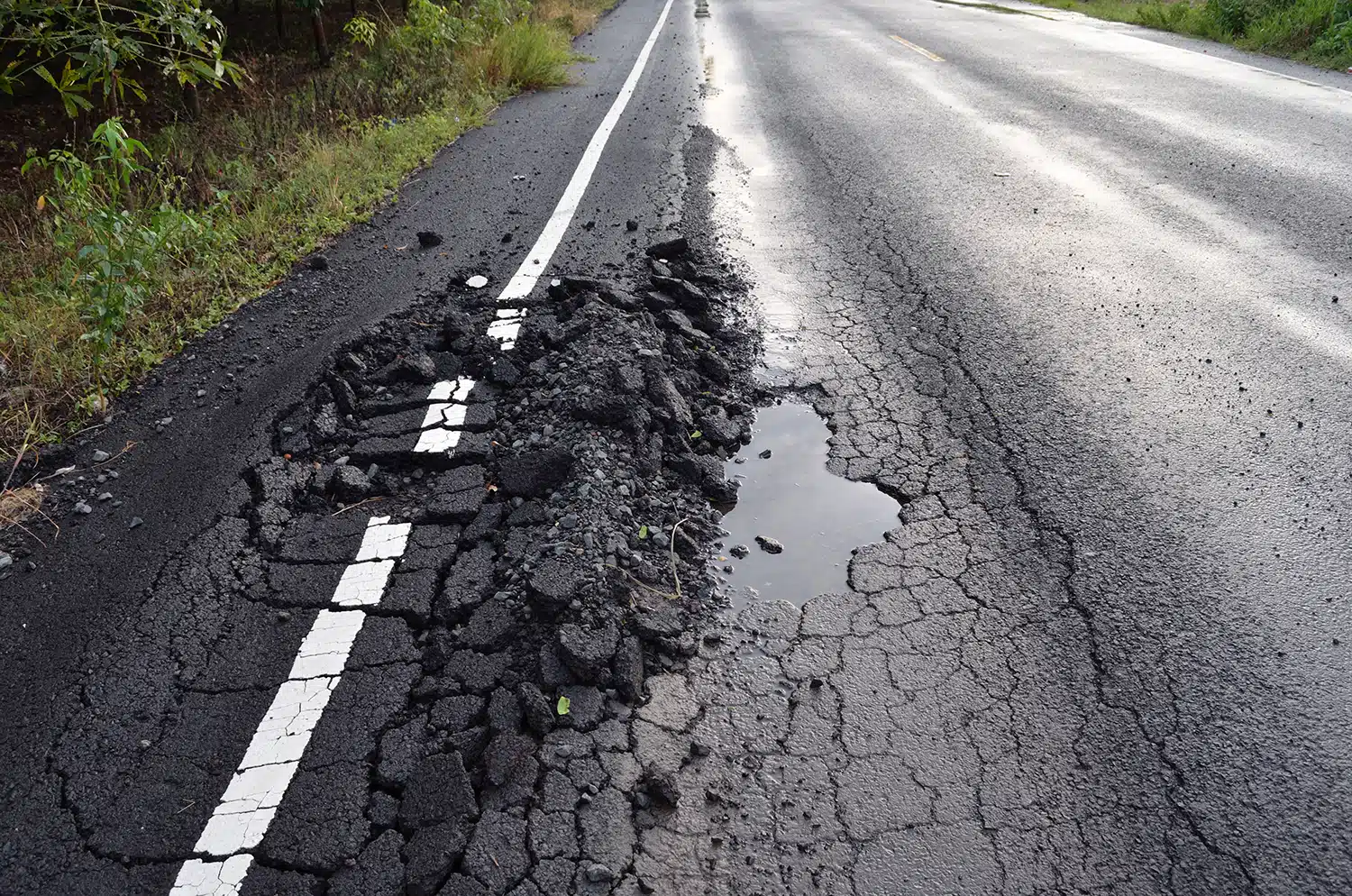
When a parking-lot catch basin starts collecting water, sinking around the frame, or showing a damaged grate, the first call is often made with very little detail. That can slow down the estimate because the condition may be a simple visible repair issue, part of a drainage problem, or something that needs a closer site review.
You do not need to diagnose the basin yourself. A better starting point is to document what you can safely see and give the contractor a clear picture of how the area is used. If you need help with the physical catch-basin or trench-drain work, start with Maisano Brothers’ catch basin and trench drain installation service.
Start with safe, visible observations
Keep people and vehicles away from anything that looks unstable. Do not enter a catch basin, remove a grate, or try to clear a blockage yourself. The most useful information comes from a normal walk-through of the surrounding pavement and from notes made after rain.
Record where the problem sits
Note the lot entrance, building side, row of spaces, loading area, or other recognizable landmark. A simple marked-up site map or a few wide photos can save time when a contractor is trying to understand which structure you mean.
Also note what moves through the area. A basin in a quiet parking row has different access and traffic questions than one beside a loading dock, dumpster enclosure, fire lane, or busy drive aisle. That does not determine the repair, but it helps set up a realistic site visit.
Take photos that show context
Take one photo from a distance and a few closer images of the grate, frame, surrounding asphalt, and any standing water. Include a photo after rain if it is safe to do so. Avoid standing in traffic or leaning over an opening to get a closer shot.
Photos should document the current condition, not prove a cause. A contractor still needs to inspect the site before deciding whether the issue is limited to the structure or connected to pavement, grading, or drainage farther uphill.
What to write down before you request an estimate
A short note is more useful than a vague “drain problem” request. These are reasonable observations for a property manager to record:
- When you first noticed the issue and whether it changes after rainfall or snowmelt.
- Whether water ponds nearby, and roughly how long it remains after the rain stops.
- Any visible cracking, settlement, loose pavement, damaged grate, shifted frame, or erosion around the structure.
- Whether water appears to flow toward the basin, away from it, or past it.
- Whether the problem appears limited to one basin or whether nearby basins, drains, or low spots show similar behavior.
- Whether the location affects parking, pedestrian routes, deliveries, or access to the building.
- Any recent paving, utility, landscaping, snow-removal, or construction work near the area.
\n
Keep the language factual. For example, “water remains in the drive aisle for several hours after a heavy rain” is helpful. “The basin is definitely clogged” is a conclusion that may or may not be correct.
Know when the question may be bigger than the basin
A catch basin is part of a larger drainage path. If the same part of the lot repeatedly ponds, if pavement is settling over a wider area, or if runoff is moving toward a building, the scope may need to include slope, surface drainage, or pavement conditions beyond the basin itself.
That is a good time to ask about parking-lot drainage and grading as part of the site review. It is not a reason to assume that a major rebuild is needed. It simply keeps the conversation focused on the full water path instead of treating every symptom as an isolated structure repair.
Separate immediate safety concerns from the long-term scope
If a grate is broken, a frame looks unstable, or the area creates a trip or vehicle hazard, protect the area and contact the appropriate property, safety, or emergency resource for your situation. A permanent repair plan can still require an on-site assessment, access coordination, and possibly conversations with other parties.
For less urgent conditions, documenting the pattern over a few rain events can be useful. Record dates and photos rather than guessing at causes. That gives the site-work conversation something concrete to start from.
Questions to ask during the site visit
The goal of an estimate visit is to clarify the scope, not to force an answer before the site has been reviewed. These questions can help keep the conversation productive:
- What visible conditions need closer inspection before a repair approach can be recommended?
- Does the surrounding pavement or slope need to be considered with the structure?
- What access or traffic plan would be needed while work is underway?
- Are there records, utility information, or municipal contacts the property team should have ready?
- Would any final pavement markings need to be restored or coordinated after the work?
The last question matters in active lots. If a repair changes a drive aisle, stall edge, or traffic pattern, coordinating parking lot line striping afterward can help return the area to a clear, usable layout. The right sequence depends on the actual site and scope.
What not to assume from a photo
It is tempting to use a photo to decide that a basin needs replacement, that a line is blocked, or that water is coming from one specific direction. Those are site-specific conclusions. Drainage capacity, underground conditions, frame support, utility conflicts, municipal requirements, and the right repair method all need qualified review.
Likewise, do not promise a cost, timetable, or compliance outcome to tenants or vendors before the condition is assessed. A good record of what you observed makes that assessment faster and more grounded; it does not replace it.
A cleaner request leads to a better scope conversation
Before requesting a catch-basin repair estimate, gather safe photos, mark the location, describe when the issue occurs, and explain how the area is used. That gives the site-work team a better starting point without asking you to become a drainage expert.
If a basin, trench drain, or surrounding pavement is creating a problem in your Connecticut parking lot, Maisano Brothers can review the visible conditions and discuss the appropriate next step for the site.