Tag: asphalt concrete

  • How to Fix a Sunken Apron? Protect Your Your Investment from Costly Damage

    How to Fix a Sunken Apron? Protect Your Your Investment from Costly Damage

    A sunken apron is the section of a driveway, typically the part closest to the street or garage entrance, that has settled or sunk below its original level. This sinking often occurs due to issues like poor soil compaction, water erosion, or the natural settling of the ground over time. A sunken apron can create uneven surfaces, leading to water pooling, cracks, and potential damage to both the driveway and adjacent structures like a garage. It can also make driving in and out of the driveway more difficult and can be a tripping hazard. Promptly addressing a sunken apron is crucial to safeguarding your driveway from further problems.

    Identifying the Problem

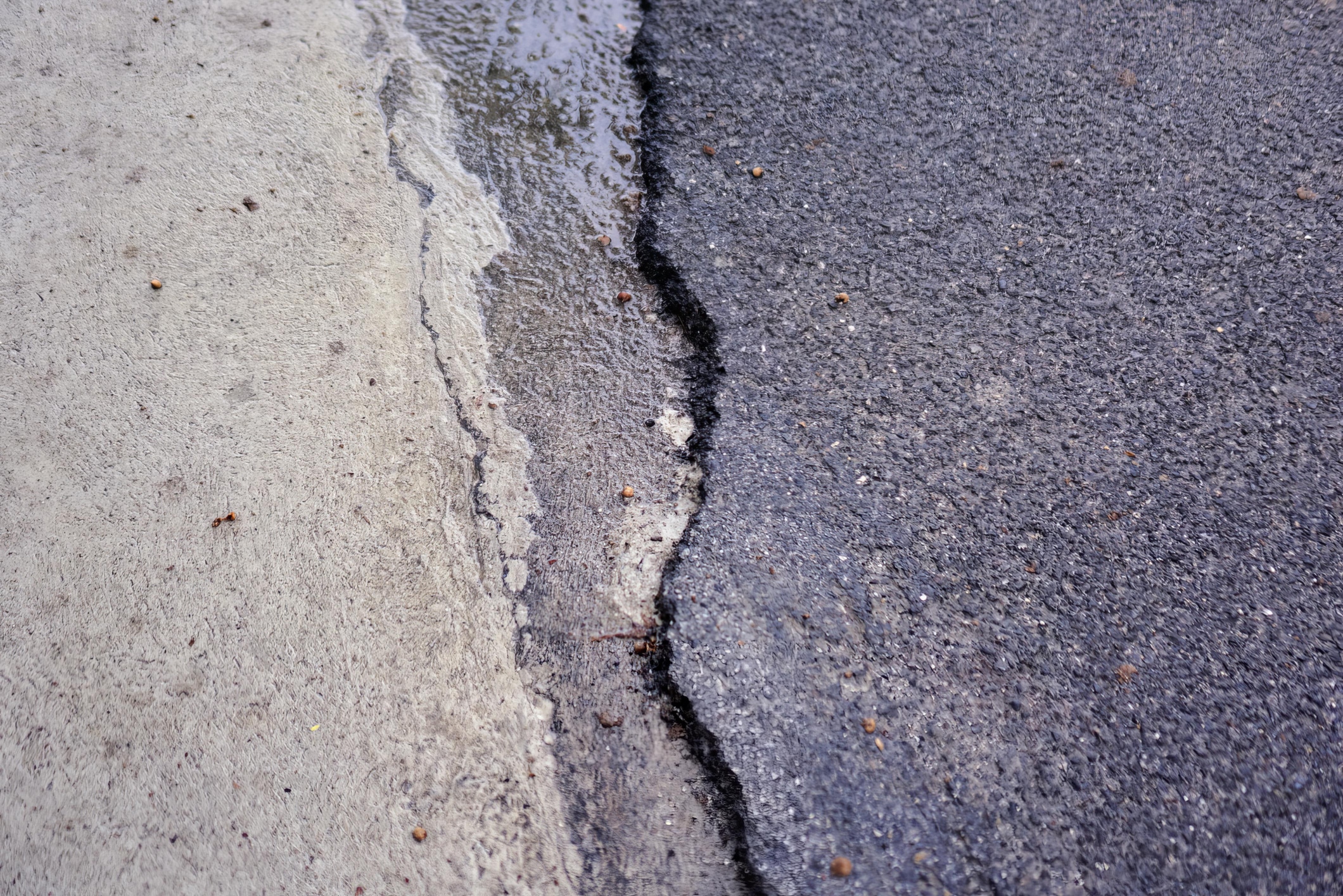
    When the apron sinks, it creates a gap. This gap, between the driveway and the road, allows water to seep in. Water is the main culprit here. It erodes the base material beneath the apron. Over time, this erosion makes the problem worse.

    Sunken aprons also create bumps. These bumps are annoying when driving in and out. For pedestrians, they become a tripping hazard. Early detection is key. Look for signs of water pooling, cracks, or visible gaps in the apron.

    Causes of a Sunken Apron

    Inadequate compaction of the base material is a frequent culprit behind the gradual sinking of a driveway apron, particularly close to a garage. This can have implications for both the overall driveway and the entrance to the garage. Additionally, the consistent movement of heavy vehicles, such as cars entering and exiting the garage, can further exacerbate this issue, leading to accelerated deterioration of the apron’s condition.

    Water damage also contributes to a sunken apron. Water weakens the base material, especially near your garage if drainage is poor. Freeze-thaw cycles can aggravate the problem, as water freezes, expands, and creates voids under the apron and near the garage.

    Steps to Repair a Sunken Apron

    1. Assessment: First, determine the extent of the damage, especially near the garage entrance or road. Measure the depth of the sinking and check for cracks in the surrounding area, including where the driveway meets the car garage.
    2. Preparation: Begin by removing the damaged section of the apron, focusing on the area leading to your garage. Clear out the old material to reach the base.
    3. Rebuild the Base: Use proper material to rebuild the base. Make sure to compact it thoroughly. A well-compacted base prevents future sinking, protecting both your driveway and garage foundation.
    4. Pour New Concrete: Mix and pour new concrete into the apron, ensuring it’s level with both the driveway and the garage entrance. Smoothing the surface helps with water runoff and ensures a seamless transition.
    5. Curing: Allow the concrete to cure properly. This process takes several days. Keep the area free from traffic, including vehicles entering the car garage, during this time.

    Preventing Future Problems

    Proper base material compaction is essential, especially near the residential garage. Regular inspections of the driveway and apron can help catch early signs of sinking, particularly where the driveway meets the car garage.

    Good drainage is equally important. Ensure water flows away from the apron and the garage entrance to prevent water from weakening the base.

    By following these steps, you can restore the integrity of your driveway. A well-maintained apron enhances the appearance and provides a smooth transition between the driveway, road, and car garage, extending the life of your driveway.

    Reach out to Maisano Bros. Inc. today for a free estimate on all your asphalt paving needs.
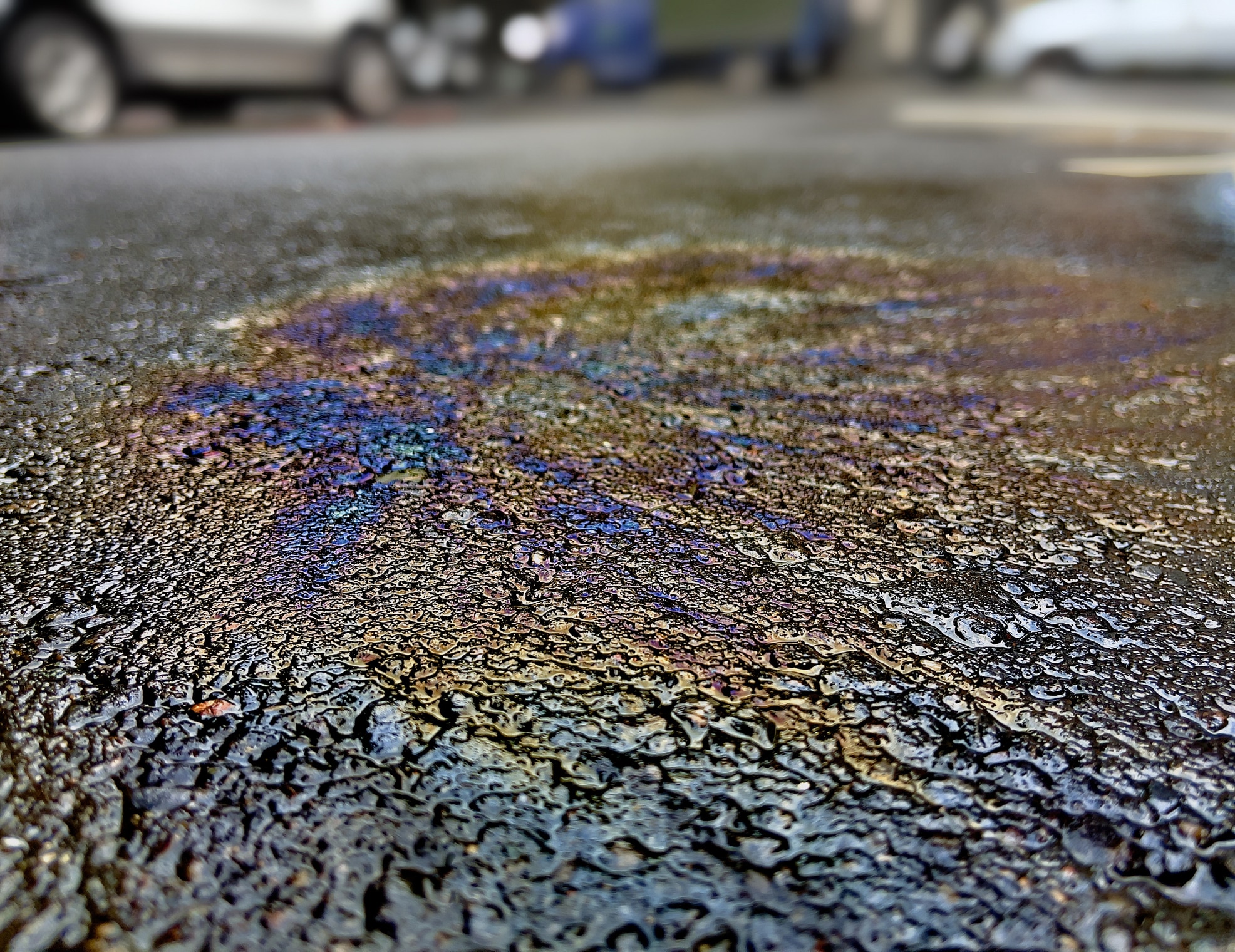
  • Ways to Effectively Remove Oil Stains from Your Asphalt Driveway

    Ways to Effectively Remove Oil Stains from Your Asphalt Driveway

    Key Takeaways
    • Fresh oil stains are easiest to remove by absorbing them quickly with inexpensive materials like cat litter before the oil penetrates the asphalt surface.
    • Dish soap works as an effective degreaser and, when combined with scrubbing, can break down oil residue trapped in the porous surface of asphalt pavement.
    • Mild stains can often be removed with household solutions such as baking soda, which helps absorb oil while gently scrubbing the asphalt.
    • Older or stubborn oil stains may require commercial degreasers designed to lift petroleum-based contaminants from asphalt driveways.
    • Preventing oil stains through regular cleaning and periodic driveway sealcoating helps protect the asphalt binder and keeps the driveway looking clean and well maintained.

    Oil stains on an asphalt driveway can be unsightly and challenging to remove, but with the right techniques, you can restore your driveway to its original condition (or close to it). Here’s a detailed guide on how to effectively tackle oil stains:

    Absorbing Fresh Oil with Cat Litter

    One of the simplest methods for dealing with fresh oil stains is to use cat litter. This highly absorbent material works best when the spill is still recent. Spread a thick layer of cat litter over the stain and allow it to sit for at least 24 hours. The litter will soak up the oil, making it easier to clean. After the time has passed, simply sweep up the litter and dispose of it. This method is especially useful for fresh spills, as it helps to prevent the oil from penetrating deeper into the asphalt.

    No need to get expensive! The least expensive cat litter will help absorb the oil stains from your driveway.

    Using Dish Soap to Break Down Oil

    Dish soap is a powerful degreaser, making it an effective tool for removing oil stains. Apply a generous amount of dish soap directly onto the oil stain. Use a stiff-bristled brush to scrub the soap into the asphalt, breaking down the oil. After thoroughly scrubbing, rinse the area with warm water to wash away the soap and loosened oil. This method may need to be repeated for older or more stubborn stains, but it’s a simple and readily available solution that works well for many homeowners.

    Any dish soap in addition to scrubbing should help you achieve the desired result.

    Note: Durable materials like concrete and asphalt can handle rigorous scrubbing. Don’t hesitate to use some elbow grease and a sturdy brush to effectively tackle those tough oil stains.

    Baking Soda for Mild Stains

    Baking soda is another common household item that can be used to treat oil stains. Its mildly abrasive nature helps to break down oil while also absorbing it. To use this method, sprinkle baking soda over the stain, ensuring it covers the area completely. Scrub the baking soda into the stain with a brush and let it sit for about 30 minutes. Then, rinse the area thoroughly with water. Baking soda is particularly effective on smaller or less severe stains and offers a gentle cleaning option that’s safe for asphalt.

    Applying Commercial Degreasers for Tough Stains

    For more persistent oil stains that don’t respond well to household remedies, commercial degreasers are often the best option. These products are specifically designed to break down and lift tough oil stains from surfaces like asphalt. Follow the manufacturer’s instructions carefully, applying the degreaser to the stain and allowing it to sit for the recommended amount of time. Afterward, scrub the area with a stiff brush and rinse thoroughly with water. Commercial degreasers are powerful and effective, making them ideal for larger or older stains that have been set into the asphalt.

    Power Washing for Deep Cleaning

    When dealing with large, stubborn stains or when you want to clean a larger area of your driveway, power washing can be an excellent solution. A power washer uses high-pressure water to blast away dirt, grime, and oil from the surface of the asphalt. For the best results, pre-treat the stain with a degreaser before power washing. This combination helps to lift the oil from the asphalt, leaving your driveway clean and stain-free. Power washing is not only effective for oil stains but also for general maintenance, keeping your driveway looking its best.

    Frequently Asked Questions

    What is the best way to remove oil stains from an asphalt driveway?

    For a fresh spill, first absorb as much oil as possible with an absorbent such as clay cat litter, then clean the area with a degreasing cleaner and scrub as needed. Older stains are harder to fully remove because asphalt is porous, so the goal is often to reduce the stain significantly rather than restore a perfect like-new appearance.

    Does cat litter really absorb oil stains from asphalt?

    Yes. Plain clay cat litter can absorb fresh oil sitting on the surface, which helps limit how much oil penetrates the pavement. It works best immediately after the spill, not as a guaranteed cure for older set-in stains.

    Can dish soap remove oil stains from asphalt?

    Yes, dish soap can help break down surface oil because it acts as a degreaser. It is most effective on light or newer stains and may need repeated scrubbing. For deeper or older stains, a stronger asphalt-safe degreaser may work better.

    Is baking soda effective for cleaning driveway oil stains?

    Baking soda can help with small or mild stains because it provides light absorption and mild abrasion during scrubbing. It is a reasonable household option, but it is usually less effective on heavy petroleum stains than dedicated degreasers.

    When should you use a commercial degreaser on asphalt?

    Use a commercial degreaser when the stain is older, darker, larger, or still visible after basic cleaning methods. Follow the product label carefully and make sure the cleaner is suitable for asphalt surfaces.

    Can power washing remove oil stains from asphalt driveways?

    Power washing can help, especially after pretreating the stain with a degreaser, but it should be used carefully. Excessive pressure can damage surfaces, and pros note that the correct pressure matters because too much pressure can crack asphalt.

    Do oil stains damage asphalt driveways?

    Yes. Petroleum products can soften or weaken asphalt because asphalt binder itself is a petroleum-based material, making it vulnerable to fuels and oils. That is why prompt cleanup matters.

    How can you prevent oil stains on your driveway?

    The best prevention is to clean spills quickly, keep the driveway maintained, and use sealcoating as part of a broader maintenance plan. A sealed surface can make cleanup easier and offers added protection from vehicle fluids.

    Does sealcoating help protect against oil stains?

    Yes, sealcoating can help resist penetration from oil and other vehicle fluids, though it does not make the driveway stain-proof. It is best viewed as a protective maintenance layer, not a permanent shield.

    How often should an asphalt driveway be sealed to help protect against stains?

    A common industry rule of thumb is about every 2 to 3 years, but the right interval depends on traffic, weather, and the condition of the driveway. Some sources suggest longer intervals in lighter-use situations, so this is better stated as a typical range rather than a hard rule.

    Will oil permanently stain an asphalt driveway?

    Oil can leave a lasting dark mark on asphalt, especially if it sits too long, but quick cleanup and the right degreasing method can often reduce the stain and help protect the pavement from further damage.

    Preventing Future Stains

    While these methods can effectively remove existing oil stains, prevention is key to maintaining the appearance of your driveway. Here are a few tips to help prevent future oil stains:

    • Prompt Cleanup: Address any oil spills immediately to prevent the oil from seeping into the asphalt.
    • Regular Maintenance: Keep your driveway clean by regularly washing it and addressing minor stains before they become more significant problems.
    • Sealcoating: Consider sealcoating your driveway every few years. Sealcoating creates a protective barrier that helps prevent oil and other substances from penetrating the asphalt, making future stains easier to clean.

    By using these methods and maintaining your driveway, you can keep it looking clean and well-maintained for years to come.

  • How does Asphalt Concrete Compare to Other Driveway Materials?

    How does Asphalt Concrete Compare to Other Driveway Materials?

    When planning a driveway paving project, whether residential or commercial, choosing the right material is crucial for both functionality and budget. While options like concrete, stamped concrete, and interlocking pavers may offer aesthetic appeal, asphalt is renowned for its cost-effectiveness, durability, and quick installation. Here’s why asphalt concrete is often the best choice for both residential and commercial paving needs.


    1. Cost-Effectiveness

    Initial Costs

    Asphalt stands out for its affordability, especially when compared to materials like concrete and interlocking pavers. The initial installation costs of asphalt are significantly lower because the materials and labor required are less expensive. This makes it an accessible option for larger areas where costs could escalate with more premium materials.

    Maintenance Costs

    While asphalt may need periodic maintenance such as sealcoating and patching, these procedures are generally less expensive than the repairs and maintenance required for concrete. Regular maintenance ensures that asphalt remains cost-effective over its lifespan, balancing out initial and long-term expenditures.

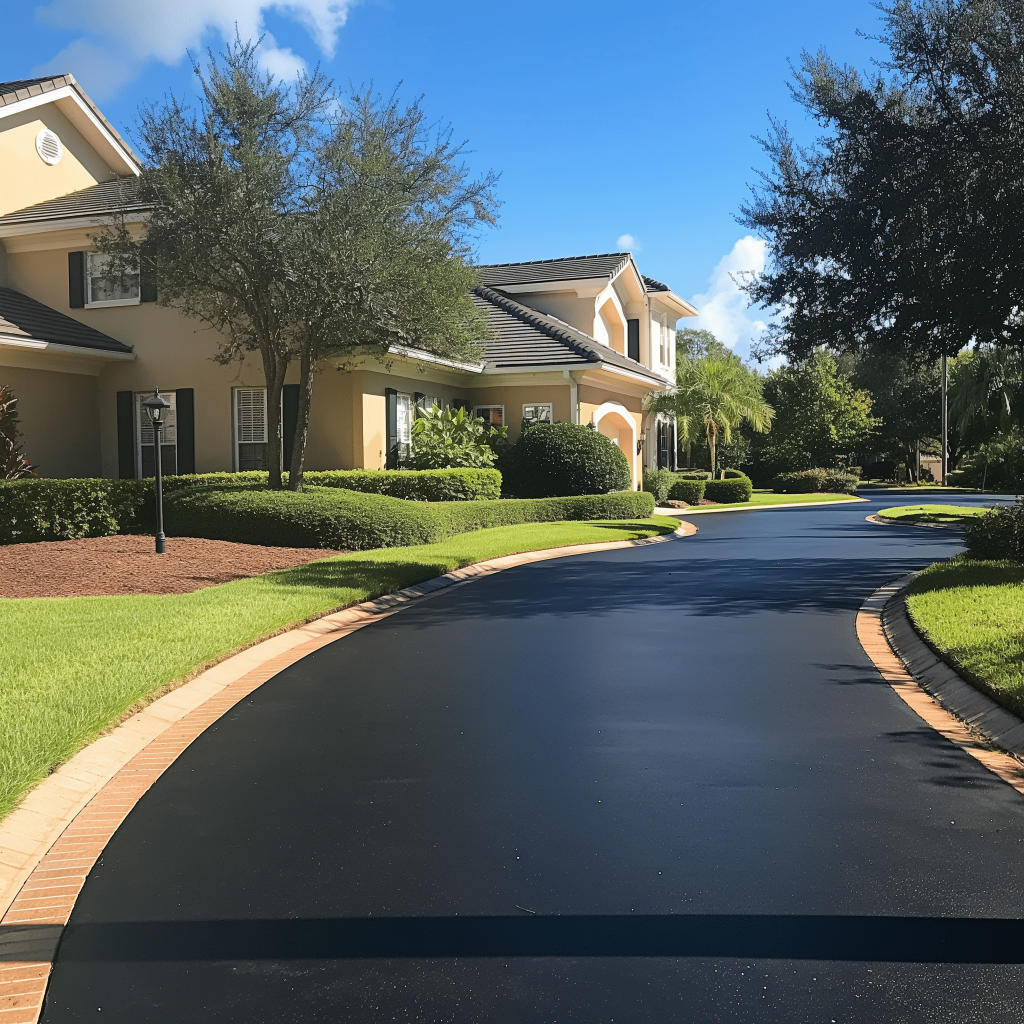
    Asphalt driveway is easier to repair and sealcoat | Maisano Bros. CT
    Asphalt driveway is easier to repair and maintain | Maisano Bros. CT

    2. Installation and Curing Time

    Faster Installation

    One of the key advantages of asphalt is its quick installation. An asphalt driveway can be paved in just one or two days and is ready for use shortly after it’s compacted and cooled — typically within 24 hours. In contrast, concrete specs generally allow several days to cure for vehicle traffic, so it cannot be used immediately.

    Quick Use

    The rapid curing time of asphalt not only speeds up projects but also minimizes disruption to home or business operations. This is particularly advantageous for commercial projects where downtime affects business activities, making asphalt a practical solution for urgent paving needs.

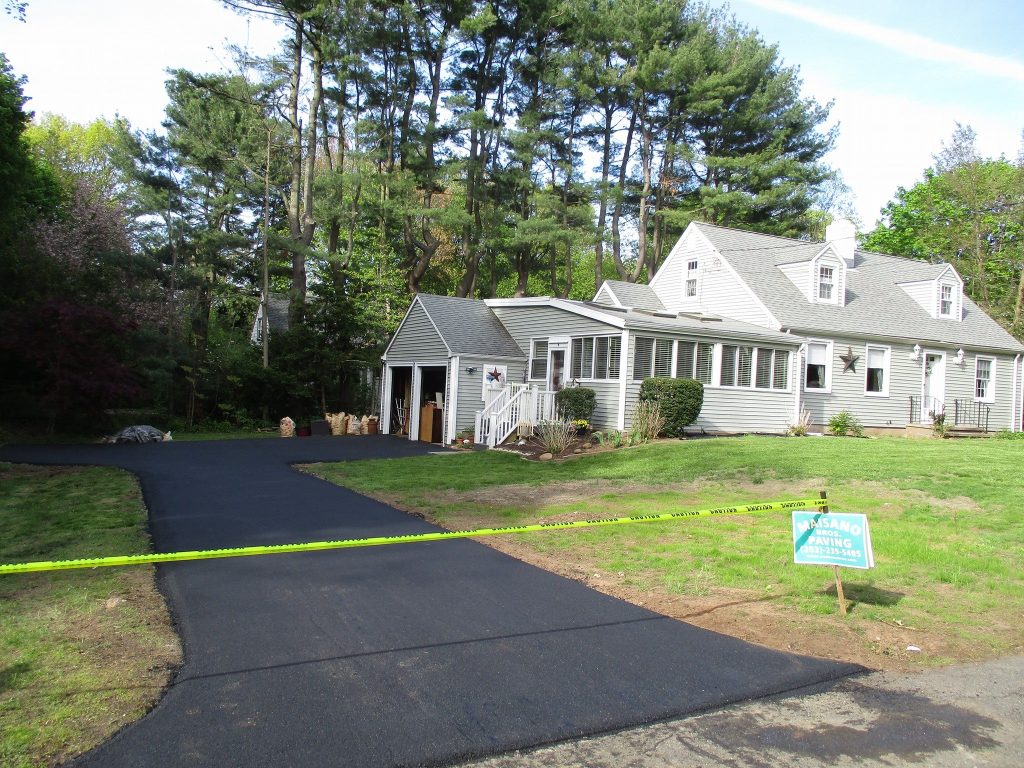
    Asphalt driveway has quicker curing times | Maisano Bros. CT
    Asphalt driveway has quicker curing times | Maisano Bros. CT

    3. Durability and Flexibility

    Weather Resistance

    Asphalt’s flexibility is a major benefit in climates that experience severe winters. Unlike concrete, asphalt can expand and contract without cracking under the stress of freeze-thaw cycles. This adaptability adds to its longevity and reduces the risk of costly repairs from weather-induced damage.

    Self-Healing Nature

    The dark color of asphalt absorbs more heat from the sun compared to lighter materials like concrete, helping it to soften and naturally rebind minor cracks during warm weather. This self-healing capability extends its life and enhances its appearance over time.


    4. Safety and Comfort

    Skid Resistance

    Asphalt provides better traction and skid resistance due to its textured surface, which is especially important in wet conditions. This makes it a safer option for areas with high traffic or frequent precipitation.

    Noise Reduction

    Thanks to its porous nature, asphalt can significantly reduce road noise. This noise-absorbing quality makes it ideal for both residential areas and busy commercial zones, contributing to a quieter and more pleasant environment.

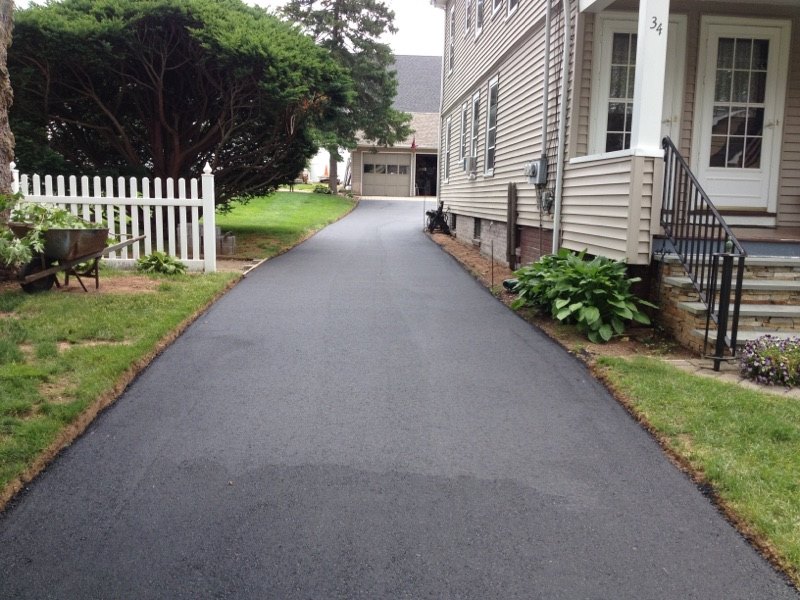
    Asphalt driveway is a safer and more comfortable option | Maisano Bros. CT
    Asphalt driveway is a safer and more comfortable option | Maisano Bros. CT

    5. Environmental Benefits

    Recyclability

    Asphalt is one of the most recycled materials in the world, with reclaimed asphalt pavement being reused in new asphalt projects. This reduces the need for new materials and lowers the environmental impact associated with mining and production.

    Energy Efficiency

    Modern asphalt technologies allow for mixing and laying at lower temperatures, which decreases the energy required for heating and reduces greenhouse gas emissions. This environmentally friendly approach also extends to the production phase, making asphalt a sustainable choice for the future.


    Conclusion

    Choosing asphalt for paving projects offers numerous advantages, from cost savings and quick installation to durability and environmental sustainability. Its versatility and efficiency make it a superior choice for both new projects and renovations.


    Is your driveway cracked, crumbling, discolored or looks neglected? Call Maisano Bros!

    To learn more about how asphalt can meet your specific paving needs, consider consulting with a professional asphalt paving contractor near you who can provide detailed insights and recommendations tailored to your project.

    If you’re the least bit unsure about the condition of your pavement or the best approach to maintenance, consulting a professional asphalt contractor can provide peace of mind and ensure that your driveway maintenance plan is on the right track. A great place for you to begin is by simply calling Maisano Bros., Inc., at (203) 239-5405, and asking for your free inspection, which includes a complimentary estimate, if indicated.