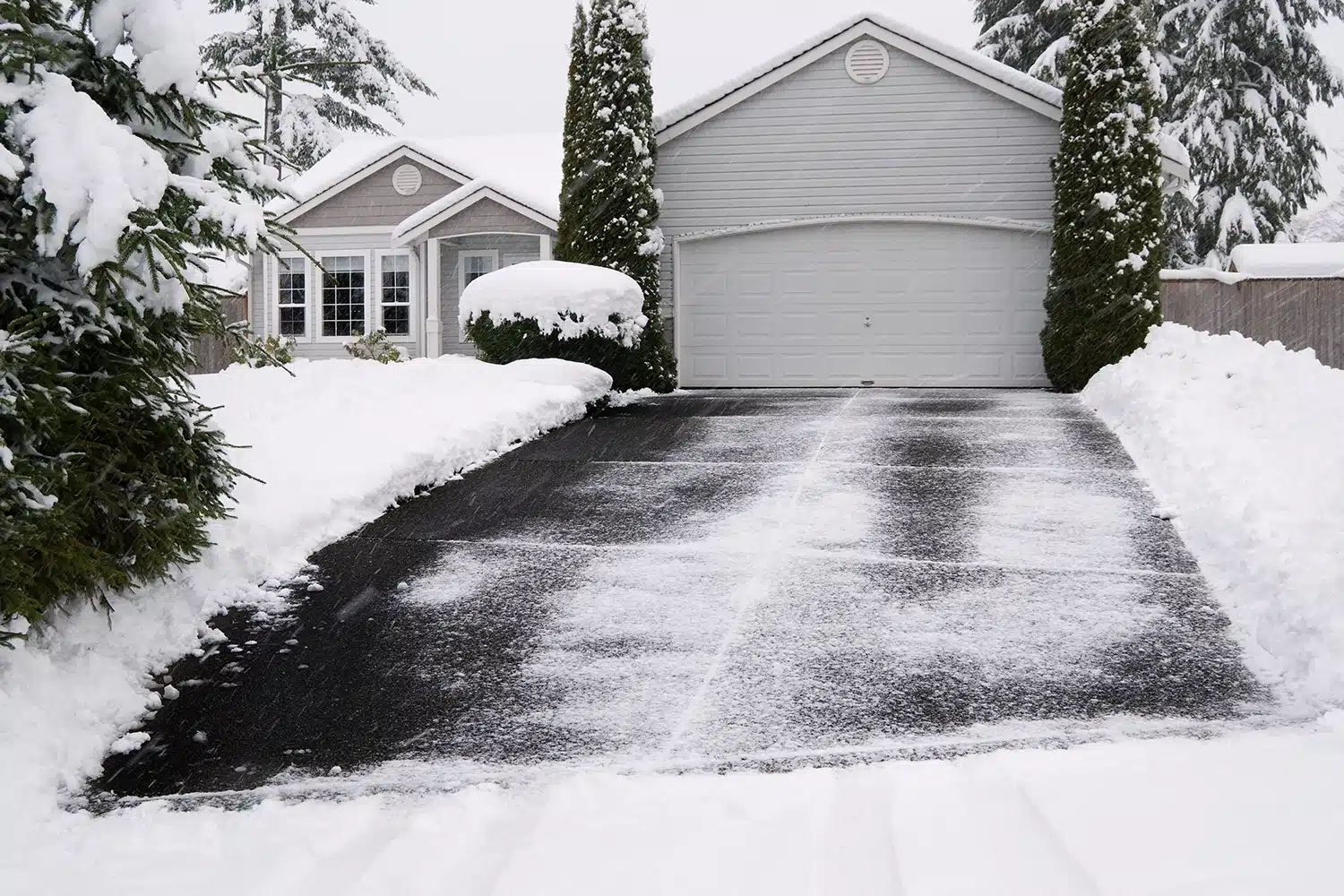
If a Connecticut driveway turns slick after every storm, a heated driveway can sound like the perfect fix. It can be a serious upgrade, especially for steep, shaded, or high-use driveways where snow and ice create real access problems. But it is not a simple add-on, and it is rarely the cheapest path.
The better question is whether the system solves a problem that matters enough to justify the added cost. If you are already planning a full replacement through asphalt paving services or comparing options for residential paving services, that is usually the right time to discuss heating. For a broader comparison, Maisano Brothers also has a related guide on heated asphalt and concrete driveways.
Key Takeaways
A heated driveway is usually worth considering when safety, access, and winter convenience matter more than upfront cost.
Quick answer
Heated driveways are most useful on long, steep, shaded, or high-use driveways.
They can reduce shoveling, salting, and ice buildup.
They cost more than standard asphalt because the system must be built into the driveway.
Base prep, grading, and drainage matter even more than they do on a normal paving job.
New installations are usually better candidates than retrofits.
What a heated driveway actually does
A heated driveway uses electric cables or hydronic tubing below the pavement to warm the surface from underneath. When the system runs, it helps melt snow before it bonds to the asphalt and limits the ice that forms after storms.
Electric systems are often simpler for smaller residential areas. Hydronic systems are more complex, but they may make sense for larger driveways or properties where operating efficiency matters over time.
When it makes sense for Connecticut homeowners
The strongest candidates are driveways where winter creates more than a mild inconvenience. A short, flat driveway may not justify the cost. A steep driveway that refreezes every night is a different conversation.
Good candidates include
Steep residential driveways
Long or wide paved approaches
Homes with mobility concerns
Driveways with heavy shade and frequent refreeze
Properties where snow removal is a recurring problem
What changes in the paving process
A heated driveway is not a normal overlay. The heating layout has to be planned before the asphalt goes down, and the base has to be stable enough to protect both the pavement and the system underneath it.
The base, drainage, and heating layout need to work together before the asphalt is installed.
Base prep matters more than ever
Soft areas, poor compaction, and weak subbase material can cause movement under the heating system. That is why asphalt grading should be part of the planning before the system is installed.
Drainage has to be deliberate
Melting snow creates water. If that water pools in low spots or refreezes along the edges, the system loses much of its value. Drainage should be designed as part of the driveway, not treated as an afterthought.
Retrofits are harder
Adding heat to an existing driveway usually means major reconstruction. For most homeowners, it makes more sense to consider the upgrade during a full replacement or new asphalt driveway installation.
Is it worth the money?
It depends on the problem you are trying to solve. If you are looking for the lowest-cost driveway, heating is not the right answer. If winter access is a constant frustration, the convenience and safety may be worth the premium.
Operating cost depends on the system type, the driveway size, and how often it runs. Installation cost depends on the heating system, base condition, drainage work, and paving scope. The asphalt cost calculator can help frame the standard paving side before you compare the added heating cost.
When a standard driveway is still the better move
A standard asphalt driveway is still the smarter choice for many homes. It costs less, is simpler to maintain, and avoids the complexity of a heating system. If the driveway is flat, easy to clear, and not prone to ice, the extra investment may not return enough value.
The right decision should fit how the driveway is used. A premium system only makes sense when the site and winter conditions call for it.
Questions to ask before you commit
Is my driveway a strong candidate for a heated system?
Would this be part of a replacement or a retrofit?
Which system type fits the driveway size and layout?
How will drainage be handled after snow melts?
What operating cost should I expect?
What happens if the heating system needs repair later?
FAQs
Can a heated driveway be added to any driveway?
Not always. Some properties are much better candidates than others, and retrofits can be expensive.
Is a heated driveway better for new construction?
Usually yes. It is easier to build the heating system into a new driveway than to cut into an existing one.
Does it eliminate all snow removal?
It can reduce snow and ice significantly, but performance depends on the system, storm conditions, and how the driveway drains.
Is it a luxury upgrade?
Yes, but that does not make it unreasonable. For the right property, it can be a practical safety and access improvement.
Should I talk to a paving contractor first?
Yes. The heating system, base, drainage, and asphalt all need to be planned together.
Bottom line for CT homeowners
A heated driveway can be worth it in Connecticut when winter access is a real problem and the driveway is being rebuilt correctly from the base up. If you want to compare a heated option with a standard asphalt driveway, contact Maisano Brothers Inc. or request an estimate.
Heated driveways melt snow and ice automatically, improving safety and eliminating the need for shoveling or plowing.
Hydronic systems cost more to install but are typically cheaper to operate on large driveways or commercial sites.
Electric systems are easier to install but can significantly increase energy usage depending on local electricity rates.
Heated driveways reduce salt damage, plow abrasion, and freeze–thaw deterioration, helping protect pavement longevity.
The value of a heated driveway depends on climate, driveway size, energy costs, and whether you’re already planning a surface replacement.
When winter hits, and your driveway is buried under snow and ice, it’s easy to daydream about a heated driveway that clears itself. No more shoveling, no more snow-blower, and no more paying for a plow truck every time there’s a storm.
At Maisano Bros. Inc., we’ve worked with asphalt and concrete in the winter for decades, so we understand both the appeal and the realities of heated driveway systems. Below, we break down how heated asphalt and concrete driveways work, the different system types, pros and cons, electricity usage, and whether this upgrade makes sense for your home or commercial property.
What Is a Heated Driveway?
A heated driveway is a pavement system designed to melt snow and ice by warming the surface from below. Heating elements (either fluid-filled tubing or electric cables) are installed beneath the asphalt, concrete, or pavers. When the system is activated, heat radiates upward through the slab, keeping the surface above freezing and preventing accumulation.
They are commonly controlled by thermostats, snow sensors, or simple on/off switches, and can be used in both residential and commercial settings.
Types of Heated Driveway Systems
Hydronic Radiant Systems
Hydronic heated driveways use a network of flexible plastic tubing (typically PEX) embedded in the driveway slab. A boiler or dedicated water heater warms a mixture of water and antifreeze, which is pumped through these tubes in a closed loop.
Key characteristics:
Heat source: Boiler or water heater (natural gas, propane, oil, or other fuels).
Fluid: Water mixed with antifreeze (often propylene glycol) to protect the system from freezing.
Tubing layout: Tubes are usually spaced 6–8 inches apart in a serpentine or spiral pattern to promote even heat distribution.
Surface options: Can be used under asphalt, concrete, or pavers.
Hydronic systems have higher upfront installation costs because of the boiler, pumps, and piping. However, they can be more economical to operate for large driveways or commercial lots, especially when using lower-cost fuels.
Electric Radiant Cable Systems
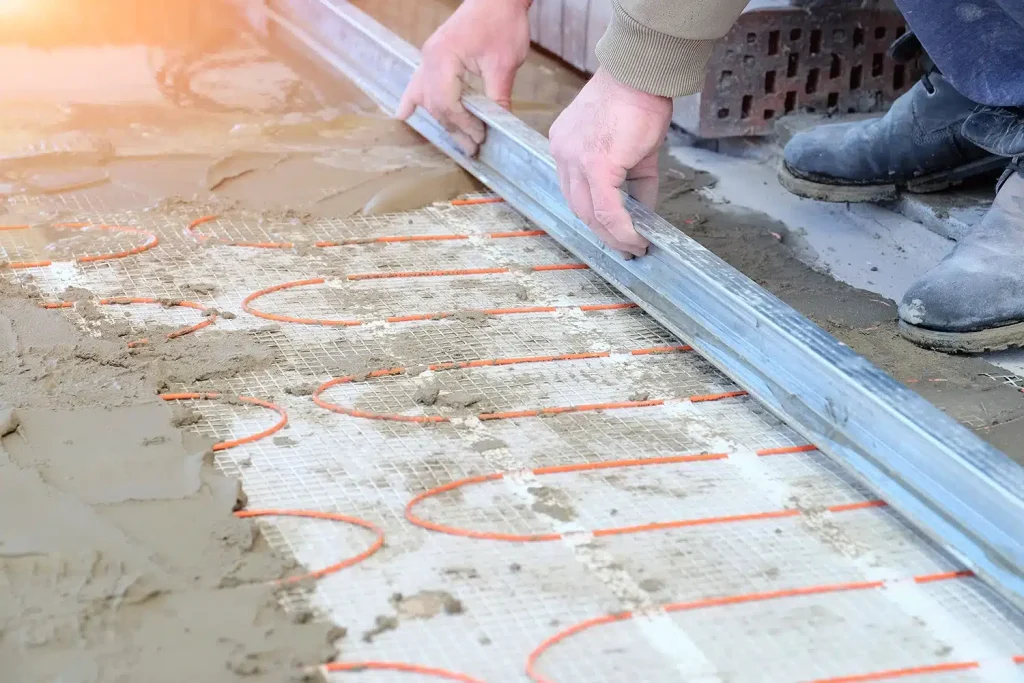
Electric systems use resistance heating cables or mats installed beneath the driveway surface. When electricity flows through the cables, they heat up and transfer warmth to the slab above.
Key characteristics:
Heat source: Electric resistance cables or pre-formed heating mats.
Power density: Often designed in the range of 30–50 watts per square foot, depending on climate and performance goals.
Controls: Wall-mounted control panel with thermostat, timer, and often snow/temperature sensors.
Installation: Typically quicker and simpler than hydronic, especially in new driveway construction.
Electric systems are popular for small to medium-sized residential driveways and walkways. The trade-off is that electricity is usually more expensive per BTU than gas, which can increase operating costs in heavy-snow climates.
Portable Heated Driveway Mats
Heated driveway mats are heavy-duty, slip-resistant rubber mats with embedded electric heating elements. They sit on top of the existing surface and are typically used in pairs to match your vehicle’s tire tracks.
Key characteristics:
No demolition: Lay the mats on the driveway; no need to tear up or repour the surface.
Seasonal use: Plug them in during winter storms and store them in the off-season.
Targeted melting: Usually only covers two narrow tracks rather than the entire driveway width.
Weight capacity: Designed to support vehicle weight while melting snow and ice.
Mats are an ideal “middle ground” for homeowners who want the benefits of a heated driveway without the cost and disruption of a full system.
Installing electric heating cables beneath a concrete slab to create a radiant snow-melt driveway system.
Benefits of Heated Asphalt and Concrete Driveways
Convenience and Time Savings
The biggest benefit is simple: no more shoveling. With a properly sized system, snow and ice melt automatically, often within minutes to a few hours after a storm starts. For busy homeowners and property managers, this is a major time saver.
Improved Safety
Snow shoveling can lead to slip-and-fall accidents, back strain, and even heart issues in extreme cold. A heated driveway significantly reduces the risk of:
Slips and falls on icy surfaces
Injuries from shovels or snowblowers
Exposure to dangerous wind chills
For commercial properties, reducing ice-related incidents can also help limit liability and insurance claims.
A heated driveway dramatically reduces or eliminates the need for salt and deicer products, helping to protect:
The surface course of the asphalt or concrete
The underlying base and subgrade from moisture intrusion
Nearby plants and lawn areas
Your vehicles and outdoor metal fixtures
Protects Your Pavement Investment
Repeated scraping by plow blades and metal shovels can gouge and chip the pavement surface. The combination of physical abuse, salt, and freeze–thaw cycles is a common cause of cracking, spalling, and potholes.
By melting snow and ice instead of scraping and salting, a heated driveway can help extend the useful life of the pavement and reduce long-term maintenance costs.
Low Day-to-Day Maintenance
Once installed and properly commissioned, most heated driveway systems require little routine maintenance. Simple steps might include:
Occasional visual checks of control panels and sensors
Annual boiler or system checks for hydronic setups
Keeping drains and edges clear so meltwater can run off
There is no ongoing “work” comparable to shoveling, plowing, or spreading salt after every storm.
Drawbacks and Limitations of Heated Driveways
High Upfront Installation Cost
Heated driveway systems are a significant investment. Costs vary widely by region and size, but it’s common for a residential heated driveway project to run into the thousands of dollars, especially if you’re:
Hydronic systems usually cost more to install than electric systems because of the boiler, manifolds, and piping. However, they can be more economical to operate for large areas.
Increased Energy Bills
Heating a driveway isn’t free. Depending on the system size, climate, and local energy rates, operating costs can range from modest to significant. Factors that drive energy use include:
Square footage being heated
Snowfall frequency and intensity
Desired performance (always bare vs. “faster melting”)
Electric or fuel costs in your area
We’ll break down electricity usage in more detail in the next section.
Electrical Capacity Requirements
Electric systems, in particular, can draw a lot of power. A system designed at 40–50 watts per square foot can add a large load to your service panel. In some cases, homeowners may need:
A panel upgrade (e.g., from 100A to 200A service)
Dedicated circuits and breakers for the snow-melt system
Careful zoning to avoid overloading the system
Hydronic systems still use electricity for pumps and controls, but the main heating energy comes from the fuel source, not your electrical panel.
Complex Repairs if Something Fails
If a heating cable burns out or a hydronic tube develops a leak, repairs are not as simple as patching a shovel gouge. Locating the problem may require thermal imaging or specialized tools, and accessing it often means cutting or breaking into the slab and repaving.
While modern systems are designed to be durable and failures are relatively rare when installed correctly, repair costs can be high if something does go wrong.
Not Always Ideal for Retrofits
The best time to install a heated driveway is when you’re already planning to install or replace the pavement. Retrofitting an existing driveway can be:
More expensive (extra demolition and disposal)
Disruptive to your property and schedule
Limited by existing grades and drainage
If your current asphalt or concrete is otherwise in good condition, you’ll need to weigh carefully whether the added benefit of heating justifies replacing a functional driveway.
Manual snow removal is labor-intensive—one reason many homeowners upgrade to heated driveway systems.
Electricity Use and Operating Costs
Electric heated driveways are typically designed in the range of 30–50 watts per square foot. To visualize this, consider a 300 square foot driveway section at 40 watts per square foot:
300 sq ft × 40 W/sq ft = 12,000 watts, or 12 kW
If that system runs for 4 hours during a snow event:
12 kW × 4 hours = 48 kWh
At an electric rate of $0.15 per kWh, that storm costs:
48 kWh × $0.15 = $7.20
In a moderate winter with many small storms, those costs add up. In heavy-snow regions, it can be much higher. Using automatic controls, snow sensors, and timers is essential to avoid unnecessary run time.
Managing Energy Use
You can control energy consumption in several ways:
Targeted coverage: Heat only tire tracks or problem areas instead of the full driveway.
Zoning: Split large areas into zones so you don’t run everything at once.
Automated controls: Use snow and temperature sensors to run the system only when necessary.
Idle mode: In hydronic systems, maintain a lower “idle” temperature during a storm to reduce the time needed for full melting.
Local energy rates play a huge role. In deregulated markets, shopping around for a better rate can significantly reduce the operating cost of an electric driveway. For example, homeowners in Texas can compare plans and look for cheap electricity in Houston options to keep winter energy bills more manageable if they opt for an electric system.
Hydronic Operating Costs
In hydronic systems, the primary cost driver is the fuel used by the boiler (natural gas, propane, oil, etc.). Gas-fired systems are often more economical to run than large electric systems, especially for:
Long driveways
Large parking areas
Commercial sites with significant snow-melt requirements
The trade-off is a more complex mechanical system up front, but potentially lower operating costs over the life of the system.
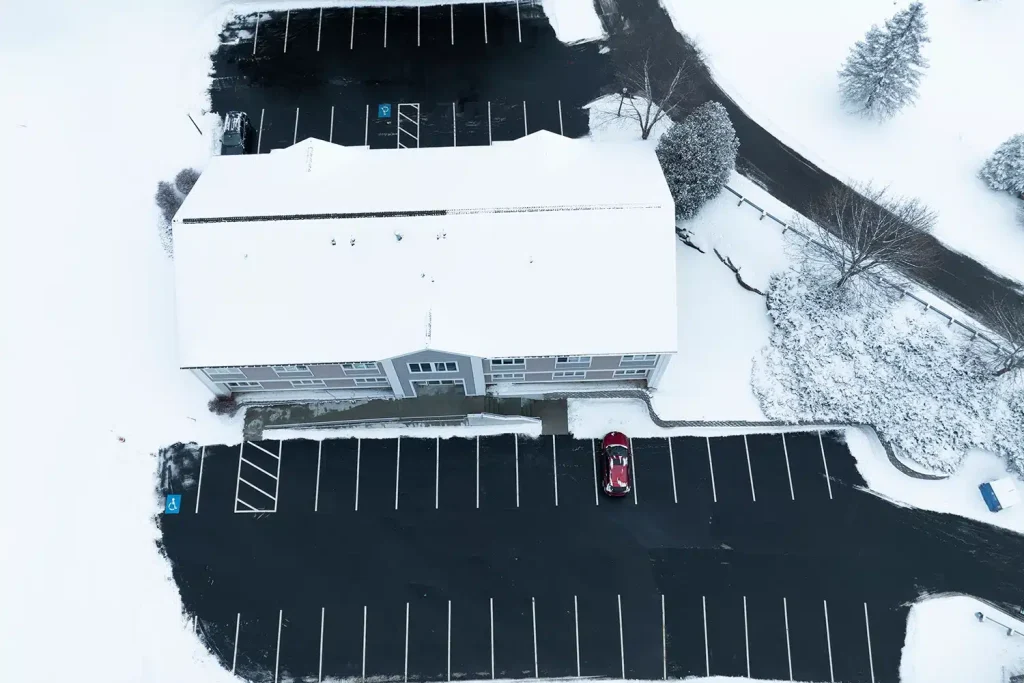
A well-maintained commercial parking lot remains safely accessible after snowfall, reducing hazards and winter maintenance costs.
Residential vs. Commercial Applications
Residential Properties
For homeowners, the primary benefits of a heated driveway are comfort, safety, and convenience. Typical residential use cases include:
Short driveways and walkways in snowy climates
Steep driveways where traction is a concern
Homes where the owner cannot safely shovel due to age or health
High-end custom homes where a snow-free driveway is a desired feature
Most residential systems focus on critical sections – tire tracks, the portion near the garage, the apron by the street, or front entry steps – rather than heating every square inch of pavement.
Commercial and Municipal Properties
On commercial sites, heated pavements are often installed to improve safety, minimize downtime, and reduce ongoing snow-removal costs. Common applications include:
Hospital and medical facility entrances
Hotel drop-offs and valet areas
Shopping centers and office entrances
Parking garage ramps and loading docks
Municipal walkways, steps, and transit platforms
Here, the goal is not just convenience but also reducing slip-and-fall incidents and keeping operations running smoothly during storms.
Is a Heated Driveway Right for You?
Whether a heated asphalt or concrete driveway makes sense depends on several factors:
Climate: How much snow and ice do you get in a typical winter?
Driveway size and layout: Is it short and sunny or long, shaded, and steep?
Budget: Can you justify the upfront investment and ongoing operating costs?
Health and lifestyle: Is shoveling a genuine challenge or risk for you?
Existing pavement condition: Are you already planning to replace your driveway?
For some properties, especially in harsh winter climates, a heated driveway becomes a true quality-of-life upgrade. For others, a combination of good snow removal practices, occasional plowing, and perhaps portable mats may be a more practical solution.
FAQs About Heated Asphalt and Concrete Driveways
Here are some common questions homeowners and property managers ask about heated driveways:
Do heated driveways really work in heavy snow?
Yes, when properly designed and installed, heated driveway systems can keep up with significant snowfall. The key is sizing the system correctly for your climate and performance expectations. Higher wattage or BTU output and tighter spacing between cables or tubes are used in heavy-snow regions to ensure effective melting.
Are heated driveways more suitable for asphalt or concrete?
Both asphalt and concrete can be used successfully with hydronic or electric systems. The choice usually comes down to budget, appearance, and the rest of your property. Concrete offers a clean, durable surface; asphalt provides a slightly more flexible surface and can be easier to repair. What matters most is proper design of the heating system and correct installation over a stable base and subgrade.
How much does it cost to install a heated driveway?
Costs vary widely by location, system type, and driveway size, but most homeowners can expect a project to run into the thousands of dollars. Hydronic systems typically cost more up front than electric due to the boiler and mechanical components. If you are already planning a full driveway replacement, adding heat at that time is usually more cost-effective than trying to retrofit later.
Will a heated driveway significantly increase my electric or gas bill?
There will be an increase in energy usage whenever the system operates. For electric systems, the cost is directly tied to the power density (watts per square foot), system run time, and your local electric rates. Hydronic systems add to your gas or fuel usage. Using snow sensors, timers, zoning, and targeted heating can help keep operating costs reasonable.
Can an existing driveway be converted into a heated driveway?
It’s possible, but not always practical. In many cases, the existing asphalt or concrete must be removed to install the heating system correctly. There are specialty methods like cutting channels in concrete for electric cables, but these approaches are limited. The most cost-effective time to add heat is when you are already replacing or rebuilding the driveway.
How long do heated driveway systems last?
With quality materials and professional installation, both hydronic and electric systems can last decades. The heating elements are protected within the slab. Boilers, pumps, and electronic controls may need replacement over the life of the system, similar to other mechanical equipment in a home or building.
Do heated driveways damage the pavement?
When properly designed, a heated driveway should not damage the pavement. In fact, reducing freeze–thaw cycles, salt use, and plow damage can help extend pavement life. Issues like cracking can occur if there are extreme temperature differences or poor installation practices, which is why design and installation should be done by experienced professionals.
Are heated driveway mats a good alternative to a built-in system?
For many homeowners, yes. Mats are less expensive, don’t require demolition, and can be used only when needed. They’re especially useful for short or occasional snow seasons. However, they typically only clear narrow tracks, not the entire driveway, and require manual setup and storage.
If you’d like to discuss whether a heated asphalt or concrete driveway makes sense for your property, a professional paving contractor can evaluate your site conditions, climate, and budget to help you decide on the right approach and the right system before your next winter season arrives.