Tag: asphalt maintenance

  • How to Plan a Commercial Asphalt Paving Project Without Disrupting Your Business

    How to Plan a Commercial Asphalt Paving Project Without Disrupting Your Business

    Key Takeaways
    • A commercial asphalt paving project starts with a site evaluation to assess pavement condition, drainage, traffic flow, and areas that need repair or replacement.
    • Hiring an experienced commercial paving contractor helps you manage logistics, safety, access, striping, and compliance requirements more effectively.
    • Phasing the work in sections allows businesses to stay open while minimizing disruptions to customers, employees, deliveries, and daily operations.
    • Clear communication before and during the project helps reduce confusion by outlining closures, parking changes, timelines, and access routes.
    • A successful paving project includes more than new asphalt, since striping, signage, access points, and long-term maintenance all affect performance and usability.

    Optimize Your Paving Schedule, Stay Open, and Keep Customers Happy

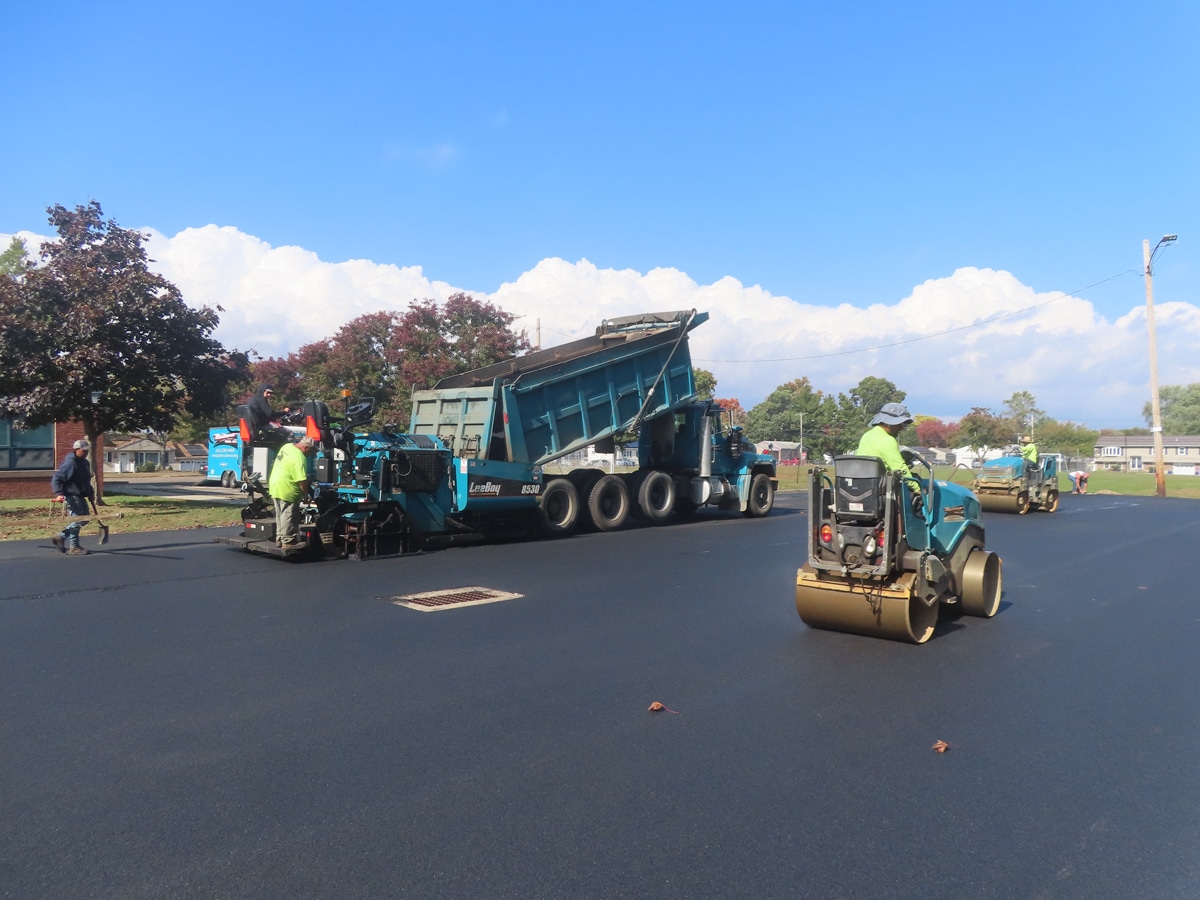
    Planning a commercial asphalt paving project can feel overwhelming, especially if your property needs to stay open during construction. Whether you’re paving a retail plaza, office park, medical center, or industrial facility, minimizing disruption is key to maintaining operations and avoiding lost revenue.

    In this article, we’ll walk you through how to plan your commercial paving project efficiently, stay on schedule, and create a smooth experience for employees, tenants, and visitors alike.

    Start with a Site Evaluation and Traffic Flow Review

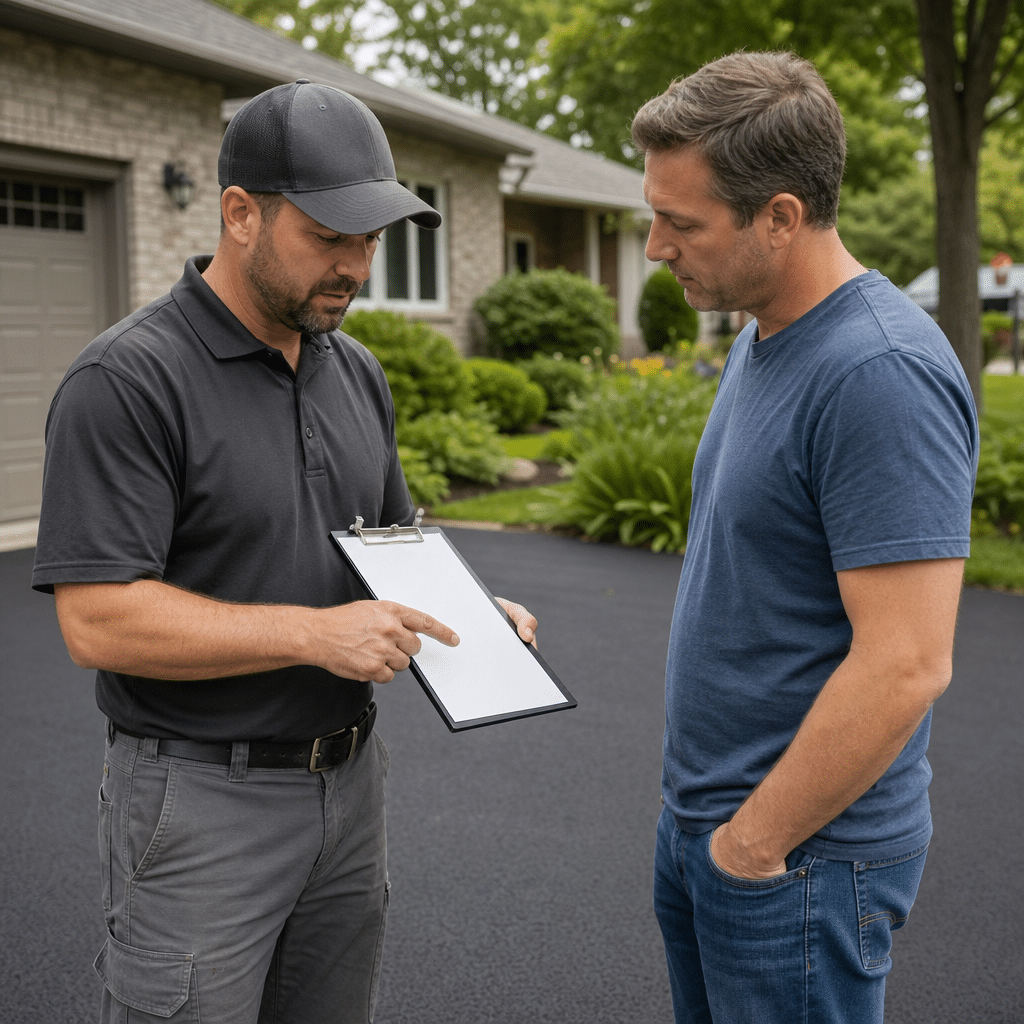
    Before any asphalt paving begins, request a detailed on-site consultation from a licensed commercial paving contractor. A proper evaluation will include:

    • Current pavement condition
    • Drainage and grading issues
    • Entry and exit points
    • Traffic flow patterns and bottlenecks
    • Heavy-duty zones like loading docks or drive lanes

    This step is essential to understanding what needs to be repaired, replaced, or improved—and how to stage the work to avoid major disruption.

    Choose a Contractor with Commercial Experience

    Not all paving companies are equipped to handle commercial asphalt projects. You’ll want a team that understands:

    • OSHA compliance and safety protocols
    • Commercial equipment access and logistics
    • Communication with multiple stakeholders (tenants, property managers, etc.)
    • Striping, signage, ADA compliance, and fire lane markings

    Ask for references or a portfolio of previous commercial paving work—especially on properties similar to yours, such as shopping centers, medical campuses, or national brand parking lots.

    Schedule Paving in Phases

    To keep your business running, plan your paving in phases. A professional contractor will help divide the project into manageable zones, allowing traffic, deliveries, and parking to continue with minimal interruption.

    Common staging examples include:

    • Paving one half of the parking lot at a time
    • Keeping drive lanes or entry points open at all times
    • Completing work during off-hours, weekends, or holidays

    This approach allows ongoing access for employees, tenants, and customers while the work is completed safely and efficiently.

    Communicate Clearly with Tenants and Visitors

    Once your paving schedule is set, notify all relevant parties well in advance. Send emails, hang signs, and post online updates to let customers and tenants know:

    • Where to park
    • When each section will be closed
    • How long the project is expected to last
    • Who to contact with questions or concerns

    Keeping everyone in the loop will reduce confusion and build trust during the process.

    Traffic cones placed on a commercial parking lot to guide traffic during an asphalt paving project
    Traffic cones help direct vehicles and pedestrians safely during a commercial asphalt paving project.

    Consider Temporary Signage and Traffic Control

    During paving, your commercial site may need temporary signage or cones to redirect traffic or footpaths. Your contractor should supply and install:

    • Safety cones or barriers
    • Temporary directional signs
    • ADA access reroutes if needed
    • Pedestrian guidance signs for walkways

    This keeps everyone safe while maintaining accessibility and business continuity.

    Plan for Final Touches: Line Striping, ADA Compliance & Finishes

    After the asphalt paving is complete, your lot will still need:

    • Fresh parking lot striping
    • ADA-compliant markings and access points
    • Crosswalks, arrows, and fire lane paint
    • Signage, curbing, and bump stops if needed

    Ensure these finishing elements are scheduled and completed promptly so your commercial property is fully functional and compliant.

    Schedule Preventative Maintenance Going Forward

    After investing in new asphalt, protect it. Ask your contractor about:

    • Sealcoating schedules (every 2–3 years)
    • Crack sealing and joint repair
    • Drainage monitoring and surface cleaning
    • Long-term maintenance contracts

    Proactive planning will extend the life of your asphalt and reduce future repair costs.

    Partner with the Right Commercial Paving Contractor

    With the right contractor and a thoughtful plan, your commercial paving project can be completed with minimal disruption, and maximum return on investment. At Maisano Brothers Inc., we specialize in commercial asphalt paving in Connecticut, Massachusetts, Rhode Island and properties nationwide providing phased scheduling, clear communication, and exceptional results.

    Frequently Asked Questions

    What is the first step in planning a commercial asphalt paving project?

    The first step is a site evaluation to review the condition of the pavement, drainage patterns, grading, traffic flow, and access points.

    How can I pave a parking lot without closing my business?

    Most commercial paving projects can be completed in phases so certain sections remain open while work is being done in other areas.

    Why is phasing important in commercial asphalt paving?

    Phasing helps maintain access for customers, employees, tenants, and delivery vehicles while improving safety and keeping operations moving.

    When is the best time to schedule commercial paving?

    The best time depends on your property’s traffic patterns, but many businesses choose off-hours, weekends, or slower periods to reduce disruption.

    What should I communicate before paving begins?

    You should let people know where to park, which areas will be closed, how long the project should take, and who to contact with questions.

    Do I need temporary signage during a paving project?

    Yes, temporary cones, barriers, and directional signs can help guide traffic, improve safety, and maintain pedestrian access during construction.

    What happens after the new asphalt is installed?

    After paving, the site may still need striping, directional arrows, accessible parking markings, curb work, signage, and other finishing details.

    How long should I wait before allowing traffic on new asphalt?

    The exact timing depends on weather, mix conditions, and site use, but your contractor should provide clear guidance before reopening the area.

    How do I protect a newly paved commercial lot?

    Routine maintenance such as crack sealing, drainage monitoring, cleaning, and sealcoating at appropriate intervals can help extend pavement life.

    What should I look for in a commercial paving contractor?

    Look for a contractor with commercial project experience, strong communication, proper equipment, a clear phasing plan, and a track record of quality work.

  • What’s the Best Way to Repair an Asphalt Driveway in Winter?

    Cold weather makes asphalt repair challenging, but proper materials and preparation can yield effective results until permanent fixes are possible in warmer months.

    Winter Repair Challenges

    • Frozen surfaces and moisture prevent good adhesion.
    • Hot mix asphalt isn’t available in most regions during winter.
    • Poor compaction from cold materials reduces repair strength.

    Cold-Weather Repair Solutions

    • Use cold patch asphalt designed for winter application.
    • Remove ice, debris, and standing water before filling potholes.
    • Compact the material firmly to reduce settling.
    • Plan to re-seal or resurface once temperatures rise.

    Temporary cold patching keeps driveways safe and functional through winter until permanent repairs can be made in spring.

  • How To Prepare For and Maintain Asphalt Paving

    How To Prepare For and Maintain Asphalt Paving

    Asphalt paving is a cornerstone of modern infrastructure, providing durable and smooth surfaces for roads, parking lots, driveways, and more. To achieve optimal results and maximize the lifespan of asphalt pavements, proper preparation and ongoing maintenance are essential. Whether you’re a contractor or a property owner, understanding the key steps involved in asphalt paving and maintenance is crucial for ensuring long-lasting and cost-effective solutions.

    Preparation: The Foundation of Quality Paving

    Before asphalt can be laid, thorough preparation of the underlying surface is paramount. Here are the key steps involved in preparing for asphalt paving:

    Site Inspection and Planning

    Begin by assessing the site conditions and identifying any potential obstacles or challenges, such as drainage issues, uneven terrain, or existing pavement deterioration. Develop a comprehensive plan that addresses these concerns and outlines the necessary steps to achieve a smooth and durable asphalt surface.

    Clearing and Grading

    Clear the site of debris, vegetation, and other obstructions to create a clean and uniform base for the asphalt pavement. Grade the surface to ensure proper drainage and compaction, addressing any uneven areas or soft spots that could compromise the integrity of the pavement.

    Subgrade Preparation

    Prepare the subgrade—a compacted layer of soil or aggregate that serves as the foundation for the asphalt pavement—by removing any soft or unstable material and compacting the remaining soil to achieve the desired density and stability.

    Base Installation

    Install a base layer of aggregate material, such as crushed stone or gravel, to further stabilize the subgrade and provide a solid foundation for the asphalt pavement. Proper compaction of the base layer is essential to prevent settlement and ensure uniform support for the asphalt surface.

    Surface Treatment

    Apply a tack coat—a thin layer of asphalt emulsion—to the prepared surface to promote adhesion between the base layer and the asphalt pavement. This helps prevent the formation of voids and improves the overall strength and durability of the pavement.

    Maintenance: Preserving Asphalt Pavements for the Long Term

    Once the asphalt pavement is in place, ongoing maintenance is crucial to protect its integrity and extend its lifespan. Here are some essential maintenance practices for asphalt pavements:

    Regular Inspections

    Conduct regular inspections of the asphalt pavement to identify any signs of damage, such as cracks, potholes, or surface deterioration. Promptly address any issues to prevent further damage and maintain the structural integrity of the pavement.

    Crack Sealing and Repair

    Fill cracks and voids in the pavement with a suitable crack sealant to prevent moisture infiltration and minimize the risk of water damage and pavement deterioration. Addressing cracks early can help prevent them from expanding and causing more extensive damage to the pavement.

    Sealcoating

    Apply a protective sealcoat to the asphalt surface every few years to protect it from oxidation, UV damage, and moisture penetration. Sealcoating helps prolong the life of the pavement and enhances its appearance by restoring its original color and texture.

    Regular Cleaning

    Keep the asphalt pavement clean and free of debris, oil stains, and vegetation to prevent them from compromising its integrity and appearance. Regular sweeping and periodic pressure washing can help remove dirt and contaminants that can accelerate pavement deterioration.

    Pavement Markings and Signage

    Maintain clear pavement markings, such as lines, symbols, and signage, to ensure safe and efficient traffic flow. Repaint faded markings and replace damaged signs to enhance visibility and promote driver safety.

    Conclusion

    Proper preparation and maintenance are essential for achieving durable, long-lasting asphalt pavements. By following the guidelines outlined above and investing in proactive maintenance practices, property owners and contractors can ensure that asphalt surfaces remain in optimal condition for years to come. With regular inspections, timely repairs, and proactive maintenance measures, asphalt pavements can withstand the rigors of everyday use and provide safe and smooth surfaces for vehicles and pedestrians alike.