Tag: asphalt paving contractor

  • Getting a New Asphalt Driveway? How Good is the Foundation Material Below It?

    Getting a New Asphalt Driveway? How Good is the Foundation Material Below It?

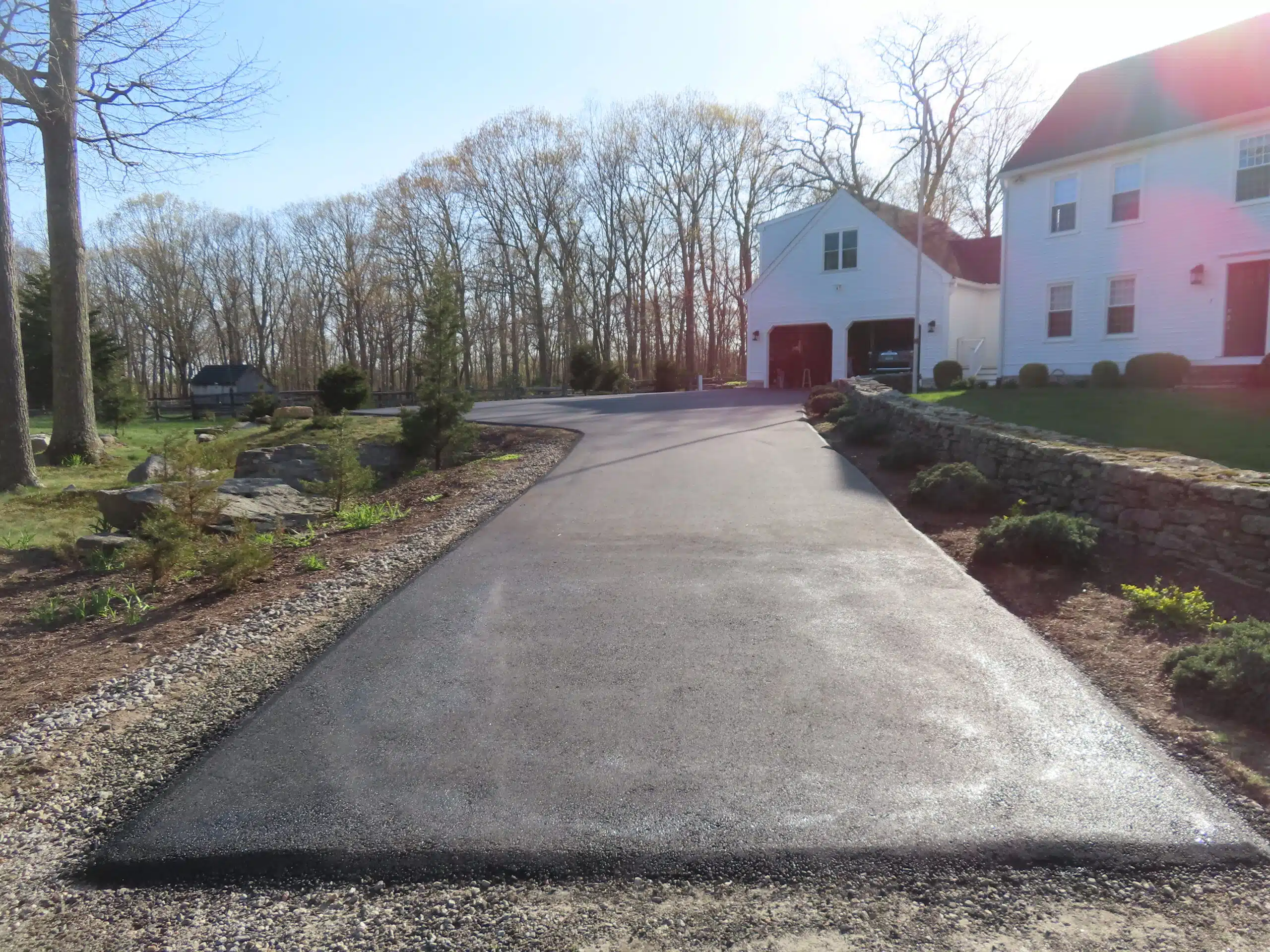
    The foundation of an asphalt driveway plays a crucial role in its longevity and performance. Much like a house needs a solid base to support it and help withstand the elements and time, so too does an asphalt driveway require a well-prepared subgrade and base. This article delves into why the condition of the foundation, from the subgrade preparation to the material directly beneath your new asphalt driveway, is paramount and what you should consider before paving begins.

    Understanding the Role of the Subgrade and Base

    The subgrade and base are the layers beneath the surface of your driveway, crucial for structural support and longevity. The subgrade is the soil layer, which must be stable and well-compacted. The base sits directly on top of the subgrade and typically consists of crushed stone or gravel. These layers help distribute weight evenly and maintain the driveway’s integrity under various loads. Of course, you can always just go to the website Maisano Bros Paving or call (203) 239-5405 and ask about scheduling a free onsite evaluation to more fully explain your options.

    Stability and Support

    A stable and well-constructed base prevents the asphalt driveway from shifting and cracking under pressure. Properly selected and compacted materials such as crushed stone provide a strong foundation that handles load-bearing demands. This stability is crucial, especially in areas with soft ground or frequent moisture, as it prevents the asphalt from settling unevenly or deteriorating prematurely. The subgrade must be stable prior to placing of base material.

    Load-Bearing Capacity

    The base layer of an asphalt driveway needs to be strong enough to support the weight of vehicles. Depending on the expected traffic, the thickness and composition of the base material may vary. For residential areas, a base thickness of 4-6 inches is common, but for commercial applications where heavy vehicles frequent, the base may frequently need to be up to 8 inches or more thick to ensure durability and resilience. If the use of the driveway is only for residential vehicles or golf carts, the pavement design is much less rigorous than a driveway that has trash trucks or propane trucks traveling over it!

    Frost Barrier and Weather Resistance

    In colder climates, the base acts as a critical barrier against frost, which can cause heaving and cracking if moisture penetrates the asphalt layer. A well-designed base will facilitate proper drainage, significantly reducing the risk of water damage and extending the life of the driveway by preventing freeze-thaw cycles from affecting the asphalt.

    Longevity and Maintenance

    A well-designed base and proper subgrade preparation not only extend the life of an asphalt driveway but also reduce the frequency and cost of maintenance. A properly laid and compacted base minimizes the formation of potholes and cracks, which means fewer repairs and a longer lifespan for your driveway. Regular maintenance, such as sealcoating and prompt repair of small cracks, also helps prolong the condition of the asphalt surface.

    Comparing Contractor Quotes

    When evaluating quotes from contractors, it’s vital to consider the detail and quality of the foundation work proposed. Cheaper quotes might skip essential steps or use inferior materials for the subgrade and base, leading to higher long-term costs due to increased maintenance and earlier replacement needs. Ensure that each quote includes a thorough breakdown of the materials and methods used for the base and subgrade.

    Conclusion

    The foundation of your asphalt driveway is as crucial as the asphalt surface (blacktop)  itself. Investing in quality base and subgrade preparation will pay dividends in the form of a durable, long-lasting driveway. Be diligent in selecting a contractor, and don’t hesitate to ask detailed questions about their approach to preparing the foundation.

    We Keep On Paving, Milling, Grading, and Reclaiming Since 1967

    Before you finalize your decision on a contractor, gather multiple estimates and discuss in detail the base and subgrade preparations they plan to use. Choosing the right contractor with the right approach to foundation work will ensure your investment lasts for years to come. Start your search by calling (203) 239-5405 and requesting a free consultation or sample contract and estimate. Maisano Bros – Paving Since 1967

    This guide helps provide a comprehensive look at each aspect of preparing the foundation of an asphalt driveway, giving homeowners a solid knowledge base to ensure their driveway investment is sound.

  • What is Asphalt? How Asphalt is Made?

    What is Asphalt? How Asphalt is Made?

    Asphalt, also known as bitumen, is a sticky, black, and highly viscous liquid or semi-solid form of petroleum. It’s widely used in road construction as a binder mixed with aggregate particles to create asphalt concrete. Its durability, water resistance, and flexibility make it ideal for various paving applications.

    Composition of Asphalt

    Asphalt is composed of three main components:

    • Aggregates: Crushed stone, gravel, and sand, making up 90-95% of the mixture.
    • Binder: Bitumen, which binds the aggregates together.
    • Fillers: Materials added to enhance the asphalt’s performance.

    How Asphalt is Made

    Extraction:

    Bitumen is extracted from crude oil through fractional distillation.

    Heating:

    Bitumen is heated to reduce viscosity, facilitating mixing with aggregates.

    Mixing:

    Heated bitumen is combined with aggregates in a mixing plant. The mixture varies based on the intended use.

    Transporting:

    The hot mix is transported to the construction site in insulated trucks to maintain temperature.

    Laying:

    The hot mix is spread onto the prepared roadbed using paving machines and compacted with rollers.

    Cooling and Hardening:

    The asphalt cools and hardens, forming a durable, weather-resistant surface.

    Types of Asphalt

    • Hot Mix Asphalt (HMA): Made at temperatures between 300-350°F, used for high-traffic areas due to its durability.
    • Warm Mix Asphalt (WMA): Produced at lower temperatures, reducing fuel consumption and emissions, and is suitable for urban areas.
    • Cold Mix Asphalt: Used for patching potholes and small repairs, requiring no heating, making it ideal for temporary fixes.

    Applications of Asphalt

    • Road Construction: Provides a smooth, durable surface for vehicles.
    • Driveways and Parking Lots: Economical and long-lasting for residential and commercial use.
    • Roofing: Asphalt shingles are durable and weather-resistant.
    • Recreational Facilities: Used in playgrounds, running tracks, and sports courts.

    Benefits of Asphalt

    • Durability: Withstands heavy traffic and adverse weather conditions.
    • Cost-Effectiveness: More affordable than other paving materials.
    • Recyclability: Can be recycled, reducing environmental impact.
    • Smoothness: Provides a smooth driving surface, improving vehicle fuel efficiency and reducing wear and tear.

    The Manufacturing Process in Detail

    Material Selection

    The quality of aggregates and bitumen is critical. Aggregates are selected based on size, hardness, and shape, while its viscosity and adhesion properties determine bitumen quality.

    Proportioning

    Accurate proportioning of aggregates and bitumen ensures the desired asphalt properties. This process is controlled using automated systems in modern plants.

    Mixing Techniques

    Different mixing techniques, such as batch mixing and continuous mixing, are used depending on the scale of the project and the type of asphalt required.

    Quality Control

    Throughout the production process, rigorous quality control measures are in place to ensure the asphalt meets specified standards. This includes testing for proper aggregate gradation, bitumen content, and mix temperature.

    Environmental Considerations

    Asphalt production and paving have environmental impacts, but modern techniques and regulations help mitigate these effects. Innovations such as warm mix asphalt and the use of recycled materials (RAP – Reclaimed Asphalt Pavement) reduce emissions and conserve natural resources.

    Recycling

    Asphalt is one of the most recycled materials globally. Reclaimed asphalt can be reprocessed and reused in new pavement, significantly reducing the need for new raw materials.

    Emission Control

    Modern asphalt plants are equipped with advanced emission control systems to minimize the release of pollutants during production.

    Conclusion

    Asphalt is a versatile, durable, and cost-effective material essential for modern infrastructure. Understanding its composition, production process, and applications helps us appreciate its vital role in road construction and other uses. By adopting sustainable practices and innovations, the asphalt industry continues to meet the demands of modern society while minimizing environmental impact. Whether for highways, driveways, or recreational facilities, asphalt remains a crucial component in building and maintaining durable, efficient, and safe surfaces.

  • How To Prepare For and Maintain Asphalt Paving

    How To Prepare For and Maintain Asphalt Paving

    Asphalt paving is a cornerstone of modern infrastructure, providing durable and smooth surfaces for roads, parking lots, driveways, and more. To achieve optimal results and maximize the lifespan of asphalt pavements, proper preparation and ongoing maintenance are essential. Whether you’re a contractor or a property owner, understanding the key steps involved in asphalt paving and maintenance is crucial for ensuring long-lasting and cost-effective solutions.

    Preparation: The Foundation of Quality Paving

    Before asphalt can be laid, thorough preparation of the underlying surface is paramount. Here are the key steps involved in preparing for asphalt paving:

    Site Inspection and Planning

    Begin by assessing the site conditions and identifying any potential obstacles or challenges, such as drainage issues, uneven terrain, or existing pavement deterioration. Develop a comprehensive plan that addresses these concerns and outlines the necessary steps to achieve a smooth and durable asphalt surface.

    Clearing and Grading

    Clear the site of debris, vegetation, and other obstructions to create a clean and uniform base for the asphalt pavement. Grade the surface to ensure proper drainage and compaction, addressing any uneven areas or soft spots that could compromise the integrity of the pavement.

    Subgrade Preparation

    Prepare the subgrade—a compacted layer of soil or aggregate that serves as the foundation for the asphalt pavement—by removing any soft or unstable material and compacting the remaining soil to achieve the desired density and stability.

    Base Installation

    Install a base layer of aggregate material, such as crushed stone or gravel, to further stabilize the subgrade and provide a solid foundation for the asphalt pavement. Proper compaction of the base layer is essential to prevent settlement and ensure uniform support for the asphalt surface.

    Surface Treatment

    Apply a tack coat—a thin layer of asphalt emulsion—to the prepared surface to promote adhesion between the base layer and the asphalt pavement. This helps prevent the formation of voids and improves the overall strength and durability of the pavement.

    Maintenance: Preserving Asphalt Pavements for the Long Term

    Once the asphalt pavement is in place, ongoing maintenance is crucial to protect its integrity and extend its lifespan. Here are some essential maintenance practices for asphalt pavements:

    Regular Inspections

    Conduct regular inspections of the asphalt pavement to identify any signs of damage, such as cracks, potholes, or surface deterioration. Promptly address any issues to prevent further damage and maintain the structural integrity of the pavement.

    Crack Sealing and Repair

    Fill cracks and voids in the pavement with a suitable crack sealant to prevent moisture infiltration and minimize the risk of water damage and pavement deterioration. Addressing cracks early can help prevent them from expanding and causing more extensive damage to the pavement.

    Sealcoating

    Apply a protective sealcoat to the asphalt surface every few years to protect it from oxidation, UV damage, and moisture penetration. Sealcoating helps prolong the life of the pavement and enhances its appearance by restoring its original color and texture.

    Regular Cleaning

    Keep the asphalt pavement clean and free of debris, oil stains, and vegetation to prevent them from compromising its integrity and appearance. Regular sweeping and periodic pressure washing can help remove dirt and contaminants that can accelerate pavement deterioration.

    Pavement Markings and Signage

    Maintain clear pavement markings, such as lines, symbols, and signage, to ensure safe and efficient traffic flow. Repaint faded markings and replace damaged signs to enhance visibility and promote driver safety.

    Conclusion

    Proper preparation and maintenance are essential for achieving durable, long-lasting asphalt pavements. By following the guidelines outlined above and investing in proactive maintenance practices, property owners and contractors can ensure that asphalt surfaces remain in optimal condition for years to come. With regular inspections, timely repairs, and proactive maintenance measures, asphalt pavements can withstand the rigors of everyday use and provide safe and smooth surfaces for vehicles and pedestrians alike.