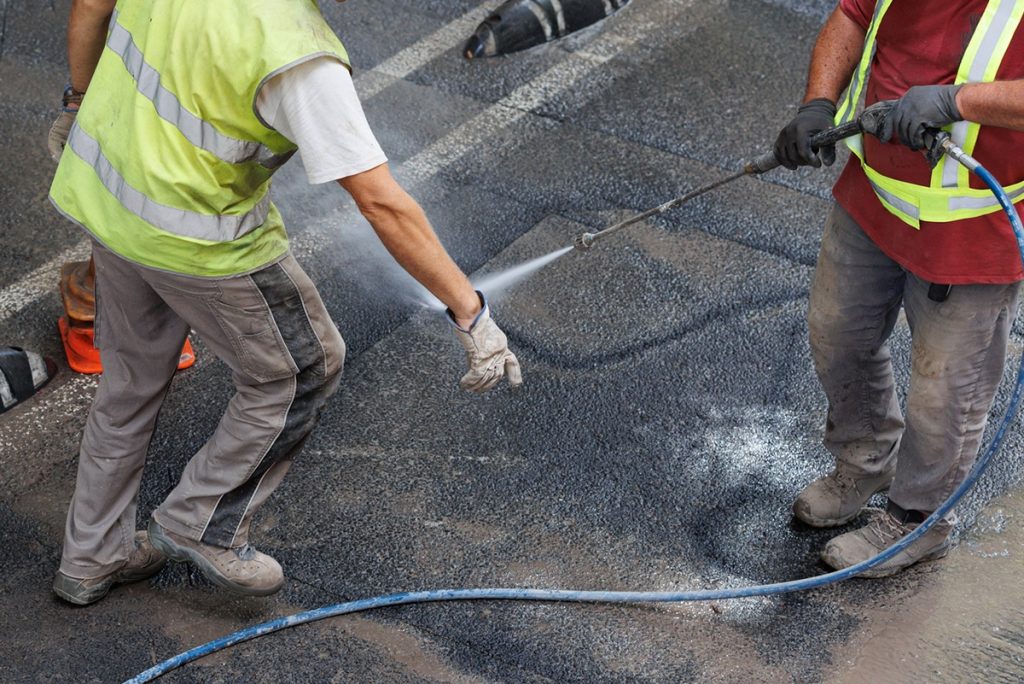
Average asphalt driveway cost in 2026: $4–$10 per sq ft
Total cost depends heavily on site prep and base condition
Asphalt is more cost-effective than concrete upfront
Repairs and resurfacing can reduce costs if the base is stable
Proper installation matters more than choosing the lowest price
The cost to pave a driveway in 2026 depends on several factors, including size, site conditions, materials, and the amount of preparation required. While many homeowners look for a quick price per square foot, the reality is that no two driveways are exactly the same.
Understanding what goes into driveway pricing can help you budget accurately and avoid costly surprises during your project. If you’re planning a new installation, explore our full range of asphalt paving services.
Average Cost to Pave a Driveway in 2026
In 2026, the average cost to pave an asphalt driveway typically ranges between $4 to $10 per square foot, depending on the complexity of the job.
Removing old pavement, grading, and preparing the base are some of the biggest cost drivers. Proper asphalt grading ensures long-term durability.
2. Drainage and Base Condition
Poor drainage leads to early failure. Many issues stem from improper installation, which is a leading cause of asphalt deterioration.
3. Asphalt Thickness
Thicker asphalt increases durability but also cost. This is especially important for high-use driveways.
4. Accessibility and Layout
Steep slopes, tight access, or complex layouts can increase labor and equipment costs.
5. Climate and Location
Regional conditions like the Connecticut climate affect both installation methods and long-term performance.
Asphalt vs Concrete Driveway Costs
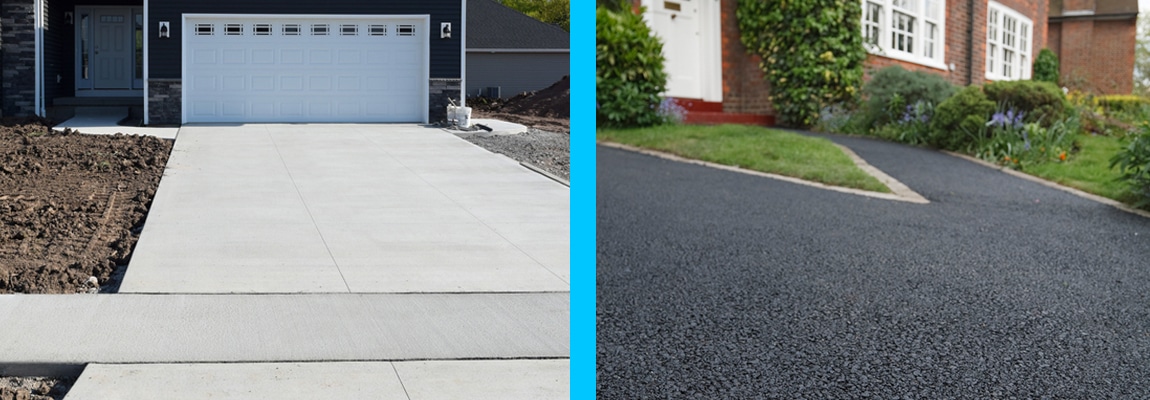
Asphalt is generally more affordable upfront, while concrete offers different long-term benefits. Learn more in our guide to asphalt vs concrete driveways.
Asphalt vs Concrete Comparison
Feature
Asphalt
Concrete
Cost
$4 – $10 / sq ft
$8 – $15+ / sq ft
Lifespan
15–25 years
25–40 years
Maintenance
Moderate
Low
Best Climate
Cold climates
Warm climates
[elementor-template id=”4630″]
Repair vs Replacement Costs
Not every driveway needs full replacement. Some can be repaired or resurfaced depending on the condition. Learn more about resurfacing vs replacement.
The contractor you hire has a major impact on cost and longevity. Learn how to choose a reputable asphalt paving contractor before starting your project.
Conclusion
The cost to pave a driveway in 2026 typically ranges from $4 to $10 per square foot, but the final price depends on preparation, materials, and site conditions.
The asphalt paving process includes 9 critical steps from evaluation to final inspection
Proper grading, base preparation, and compaction are essential for long-term durability
The base and subgrade determine how well the pavement performs over time
Skipping steps or cutting corners leads to early failure and costly repairs
Regular maintenance after installation extends the life of asphalt significantly
Installing asphalt is more than just laying down blacktop. A properly paved driveway or parking lot depends on preparation, grading, base construction, and precise installation techniques. When done correctly, asphalt pavement can last 20 years or more. When shortcuts are taken, problems like cracking, potholes, and drainage issues can appear much sooner.
Whether you’re planning a new asphalt driveway or a commercial paving project, understanding the process helps you recognize quality workmanship and make informed decisions.
Why the Asphalt Paving Process Matters
Every step in the paving process plays a role in the long-term performance of your pavement. The surface layer may look smooth and finished, but what’s underneath determines how well it holds up over time.
Proper asphalt installation ensures strength, drainage, durability, and resistance to wear from traffic and weather conditions.
Step 1: Site Evaluation and Planning
Before any work begins, the area is evaluated to determine soil conditions, drainage needs, and the scope of the project. This step identifies potential issues such as poor drainage, unstable subgrade, or grading challenges.
Step 2: Demolition and Removal
If replacing an existing driveway or parking lot, the old asphalt is removed. This may involve milling or full excavation depending on the condition of the pavement and base.
Step 3: Grading and Slope Preparation
Proper grading and slope preparation is critical to ensure water drains away from the surface. Without correct elevation and pitch, water can pool and lead to premature deterioration.
This step sets the foundation for long-term performance and prevents future structural issues.
Step 4: Subgrade Preparation
The subgrade is the native soil beneath the pavement. It must be properly compacted and stabilized to support the layers above. Weak or soft subgrade conditions can lead to failure regardless of how well the asphalt is installed.
Step 5: Installing the Base Course
The base layer provides structural support for the asphalt surface. Typically made of crushed stone or aggregate, it is spread and compacted to create a stable foundation.
A properly installed base ensures load distribution and prevents shifting or settling over time.
Step 6: Binder Layer Installation
The binder layer is a strong asphalt layer that adds structural integrity. It contains larger aggregate and acts as a bridge between the base and the surface layer.
This layer is especially important in areas with heavier traffic loads.
Step 7: Surface Course Installation
The surface course is the top layer of asphalt. It provides a smooth, finished appearance and protects the underlying structure from water and environmental exposure.
This layer is designed for durability, flexibility, and long-term performance.
Step 8: Compaction
Compaction is one of the most critical steps in the entire process. Rollers are used to compress the asphalt, eliminate air voids, and ensure proper density.
Without proper compaction, the pavement may fail prematurely, leading to cracking and deformation.
Step 9: Final Inspection and Finishing
After installation, the surface is inspected to ensure proper grading, smoothness, and compaction. Edges are finished, transitions are cleaned up, and the pavement is prepared for use.
Once cooled and cured, the asphalt is ready for traffic.
How Long Does Asphalt Installation Take?
Most residential driveways can be completed within one to two days, depending on size and site conditions. Larger commercial paving projects may take longer due to additional preparation and structural requirements.
Common Mistakes That Lead to Early Failure
Poor base preparation
Improper grading or drainage
Insufficient compaction
Thin asphalt layers
Skipping critical steps in the process
These issues can lead to cracking, potholes, rutting, and costly repairs.
How to Extend the Life of Your Asphalt
After installation, proper maintenance is essential to maximize lifespan.
Sealcoat every 2–3 years
Fill cracks early
Keep water draining away from the surface
Avoid heavy loads during early curing
Routine maintenance protects your investment and delays the need for repairs or replacement.
Conclusion
The asphalt paving process is a step-by-step system designed to create a durable, long-lasting surface. Each phase—from site preparation to final compaction—plays a critical role in performance.
Understanding these steps helps ensure your driveway or parking lot is built to last and performs well for years to come.
Ready to see these steps in action on your own property? Maisano Brothers Inc. has been installing asphalt driveways across Connecticut since 1967. Request a free estimate for your new driveway installation.
Frequently Asked Questions
How many steps are in the asphalt paving process?
There are typically 9 main steps, including site prep, grading, base installation, paving, and compaction.
What is the most important step in asphalt paving?
Base preparation and compaction are the most critical for long-term performance.
How long does asphalt take to cure?
Asphalt can be driven on within 24–72 hours but continues curing for several months.
What is the binder layer in asphalt?
It’s the structural layer between the base and surface course that adds strength.
Why is grading important before paving?
Proper grading ensures water drains correctly and prevents premature damage.
How thick should asphalt be for a driveway?
Typically 2–3 inches for residential use, depending on base conditions.
Can asphalt be installed over old pavement?
Yes, in some cases resurfacing is possible if the base is still stable.
Asphalt usually costs less up front than concrete, while concrete often costs more initially but may last longer.
Asphalt typically lasts about 15 to 20 years with maintenance, while concrete can last 30 years or more with proper care.
Asphalt is generally better suited to colder freeze-thaw climates because it is more flexible, while concrete is more rigid and more sensitive to movement and cracking.
Asphalt needs more routine maintenance such as sealcoating and crack repair, but repairs are usually easier and less expensive than concrete repairs.
Concrete offers more color, texture, and pattern options, making it a stronger choice for homeowners who want a more customized look.
Choosing between an asphalt driveway and a concrete driveway is one of the biggest decisions homeowners make when planning a new installation. Both materials can create a durable, attractive surface, but they perform differently when it comes to cost, maintenance, appearance, climate resistance, and long-term repair needs.
If you are trying to decide between the two, the right answer usually comes down to your budget, your property, your local conditions, and how you plan to use the driveway.
What Is the Main Difference Between Asphalt and Concrete?
The biggest difference is how the material behaves over time. Asphalt is more flexible, which helps it handle freeze-thaw conditions and minor movement in the base. Concrete is more rigid, which can make it very durable in the right conditions but also more prone to cracking when movement occurs.
Asphalt is made with aggregates and asphalt binder, while concrete is made with cement, sand, stone, and water. Because of these differences, the two materials cure, age, and perform differently over time.
Cost Comparison: Asphalt vs Concrete
For many homeowners, budget is where the decision starts. In general, asphalt tends to have a lower upfront cost than concrete.
Understanding the true cost of an asphalt driveway helps put this into perspective. While asphalt is typically more affordable initially, long-term costs depend on maintenance, repairs, and lifespan.
Concrete usually costs more upfront but may last longer under the right conditions. The better value depends on how long you plan to stay in your home and how you maintain the surface.
Lifespan and Durability
Asphalt Driveway Lifespan
Asphalt driveways typically last 15–20 years with proper maintenance. Their flexibility makes them well-suited for areas with temperature fluctuations and seasonal movement.
Over time, asphalt can oxidize, fade, and develop cracks if not maintained properly, but it can often be repaired or resurfaced effectively.
Concrete Driveway Lifespan
Concrete driveway installations can last 30 years or more when properly installed and maintained. However, because concrete is rigid, it can crack when the base shifts or when exposed to harsh freeze-thaw conditions.
Repairs to concrete are often more visible and more difficult to blend compared to asphalt.
[elementor-template id=”4630″]
Maintenance Differences
Asphalt Maintenance
Asphalt requires more routine maintenance, including sealcoating and crack filling. The benefit is that repairs are typically easier, faster, and more affordable.
Sealcoating every 2–3 years
Crack filling to prevent water intrusion
Patching and resurfacing options
Concrete Maintenance
Concrete requires less frequent maintenance but can be more difficult to repair when issues occur.
Occasional sealing
Joint maintenance
More complex repairs if cracking occurs
Appearance and Design Options
Concrete offers more customization options, including stamped patterns, colors, and decorative finishes. This makes it a popular choice for homeowners focused on design and aesthetics.
Asphalt provides a clean, smooth, and uniform appearance that works well for most residential properties. It is more limited in design but offers a classic and practical look.
Climate Considerations
Your location plays a major role in choosing the right material. In regions like the Connecticut climate, asphalt often performs better due to its flexibility and ability to handle freeze-thaw cycles.
Concrete can still perform well but requires proper installation techniques to minimize cracking caused by temperature changes.
Installation Time and Usability
Asphalt can typically be installed faster and used sooner than concrete. In many cases, an asphalt driveway can be completed in one to two days.
Concrete requires a longer curing time, which means you may need to wait several days before using the surface.
Repair and Long-Term Flexibility
Asphalt offers more flexibility when it comes to repairs. It can often be patched, resurfaced, or restored without replacing the entire driveway.
Concrete repairs, while possible, are often more noticeable and may require more extensive work.
Which Is the Better Choice?
Choose Asphalt If You Want:
Lower upfront cost
Better performance in colder climates
Faster installation
Easier repairs and maintenance
Choose Concrete If You Want:
Longer potential lifespan
More decorative options
Less frequent maintenance
Final Thoughts
Choosing between asphalt and concrete comes down to your priorities. Asphalt is often the best choice for homeowners looking for a cost-effective, durable solution that performs well in colder climates. Concrete is a strong option for those prioritizing aesthetics and long-term durability.
The right decision depends on your budget, maintenance expectations, and how your driveway will be used over time.
Whether you choose asphalt or concrete, Maisano Brothers Inc. delivers expert installation built for Connecticut weather. Get a free estimate and let us help you pick the right material for your residential driveway.
[elementor-template id=”4630″]
Frequently Asked Questions
Is asphalt cheaper than concrete for a driveway?
Usually yes. Asphalt at roughly $3 to $7 per square foot and concrete at roughly $4 to $10 per square foot, though actual pricing varies by site and project scope.
Does asphalt last as long as concrete?
Usually no. The current article says asphalt typically lasts 15 to 20 years with maintenance, while concrete can last 30 years or more with proper care.
Which driveway is better in cold weather?
Asphalt is often the better choice in cold climates because its flexibility helps it handle freeze-thaw movement better than concrete.
Which driveway needs more maintenance?
Asphalt typically needs more routine maintenance, including periodic sealcoating and crack repair, while concrete usually needs less frequent maintenance but can be harder to repair when problems develop.
Can oil stains damage an asphalt driveway?
Yes. Petroleum products can soften asphalt and contribute to surface deterioration over time. If you’re dealing with stubborn stains, explore the best commercial degreasers for removing oil stains from asphalt to properly clean and protect your surface.
Is concrete more decorative than asphalt?
Yes. Concrete offers more options for color, texture, pattern, and stamped finishes, while asphalt is more limited aesthetically.
Which driveway can be used sooner after installation?
Asphalt is typically installed faster and can often be used sooner, while concrete takes longer to cure and requires more patience before regular use.
Improper snow removal can damage asphalt through scraping, pressure, and freeze-thaw cycles
Rubber-edged plows are safer than metal blades
Removing snow early prevents compaction and bonding
Deicing materials should be used carefully to avoid long-term damage
Preventative maintenance before winter significantly reduces damage
Snow and ice are part of Connecticut winters, but improper snow removal can cause serious damage to asphalt driveways and parking lots. What seems like routine maintenance can lead to scraping, cracking, and long-term deterioration if done incorrectly.
Understanding how to safely remove snow while you protect your asphalt is essential for maintaining the life of your pavement.
Why Snow Removal Can Damage Asphalt
Asphalt is a flexible material, but during colder temperatures it becomes more brittle. This makes it more vulnerable to damage from heavy equipment, sharp plow blades, and improper techniques.
In addition, freeze-thaw cycles allow water to enter cracks and expand, weakening the structure beneath the surface.
Use the Right Snow Removal Equipment
Avoid Metal Blades on Asphalt
Metal plow blades can scrape and gouge asphalt surfaces, especially if the driveway is already worn or cracked.
Instead, use plows with rubber or polyurethane edges to reduce the risk of surface damage.
Adjust Plow Height Properly
Setting the plow blade slightly above the surface helps prevent direct contact with the asphalt, minimizing wear and tear.
Don’t Wait Too Long to Remove Snow
Allowing snow to compact and freeze makes removal more difficult and increases the likelihood of damage. Packed snow can bond to the surface, requiring more aggressive removal methods.
Clearing snow early and consistently is the safest approach.
Be Careful with Deicing Materials
Deicing products can help improve safety, but some materials can impact asphalt over time. If you’re unsure what to use or how much to apply, check out our complete guide to salting asphalt driveways for safe and effective winter maintenance strategies.
Safer Options
Calcium chloride
Magnesium chloride
These are generally less aggressive than traditional rock salt and work effectively at lower temperatures.
Use Salt in Moderation
While salt does not directly destroy asphalt, excessive use can contribute to moisture penetration and accelerate deterioration when combined with freeze-thaw cycles.
Protect Edges and Weak Areas
The edges of asphalt driveways and parking lots are especially vulnerable during winter. Plows can catch edges and cause cracking or breakage.
Take extra care around:
Driveway edges
Transitions to sidewalks or aprons
Areas with existing damage
[elementor-template id=”4630″]
Avoid Heavy Equipment on Residential Driveways
Residential asphalt is typically not designed for heavy commercial plows or equipment. Using oversized machinery can cause stress, especially when the ground is frozen and less flexible.
Use appropriately sized equipment for the surface you’re clearing.
Watch for Freeze-Thaw Damage
Winter conditions create constant expansion and contraction within asphalt. Water enters small cracks, freezes, expands, and then melts, repeating the cycle and weakening the pavement.
Winter often reveals existing weaknesses in asphalt. Once the weather warms up, it’s important to inspect your surface for damage.
Look for:
New cracks
Potholes
Surface raveling
Drainage issues
Addressing these problems early prevents further deterioration.
Preventative Maintenance Before Winter
The best way to protect asphalt during winter is to prepare it ahead of time.
Sealcoating
Sealcoating helps protect asphalt from water infiltration, chemicals, and oxidation.
Crack Filling
Sealing cracks before winter prevents water from entering and freezing beneath the surface.
Drainage Improvements
Ensuring proper drainage reduces standing water and limits freeze-thaw damage.
Conclusion
Snow removal is necessary, but it should be done carefully to avoid damaging your asphalt. Using the right equipment, removing snow early, and maintaining your pavement properly can significantly extend its lifespan.
Winter conditions are tough on asphalt, but with the right approach, you can protect your driveway or parking lot and avoid costly repairs in the spring.
Connecticut winters are tough on asphalt. If your driveway has taken a beating this season, request a free spring inspection from Maisano Brothers. A timely sealcoating application can prevent costly repairs down the road.
Can snow plowing damage asphalt?
Yes. Improper plowing, especially with metal blades, can scrape and damage the surface.
What is the safest way to remove snow from asphalt?
Use rubber-edged plows, remove snow early, and avoid aggressive scraping.
Does salt damage asphalt driveways?
Salt does not directly damage asphalt, but it can contribute to moisture-related deterioration over time.
Should you shovel or plow an asphalt driveway?
Both are fine when done carefully, but avoid sharp tools that can gouge the surface.
When should I repair asphalt after winter?
Repairs should be done in spring once temperatures rise and damage is visible.
How do I protect my driveway before winter?
Sealcoating, crack filling, and proper drainage are the best preventative steps.
Rutting accelerates under heavy loads and high temperatures.
Strong, well-drained foundations and adequate base thickness are essential.
Use rut-resistant mixes, performance-graded/polymer-modified binders, and Balanced Mix Design.
Compaction quality and drainage management make or break performance.
Inspect and maintain routinely; intervene early to avoid reconstruction.
Asphalt rutting is a pavement distress characterized by longitudinal depressions in wheel paths. These grooves form when pavement layers or the underlying soil deform under repeated traffic loads. Rutting is most visible after rain as water collects in the depressions. Left untreated, it reduces ride quality, increases hydroplaning risk, and accelerates structural failure. Understanding causes and applying best-practice design and maintenance can significantly extend the life of driveways, parking lots, and roads.
What Causes Asphalt Rutting?
Traffic Loads and High Temperatures
Rutting is a load-related distress. Repeated wheel loads compact or laterally move asphalt, and the effect accelerates at higher pavement temperatures when the binder softens. Heavy axle loads (trucks, forklifts, delivery traffic) intensify rutting, especially during hot weather.
Subgrade Stability
The subgrade (supporting soil) must be uniform and well-compacted. Weak, poorly compacted, or saturated subgrade allows the pavement to deflect and settle, creating structural ruts often accompanied by cracking. Water intrusion and variable soils are common triggers.
Subbase Thickness & Load Distribution
The aggregate base distributes loads to the subgrade. If base layers are too thin or inadequately compacted, the asphalt above will rut. Typical ranges:
Residential driveways: 2–3 in asphalt over 4–6 in compacted aggregate base.
Light-duty commercial lots: 3 in asphalt over 6–8 in base.
Heavy-duty truck areas: 4–6 in asphalt over 8–12 in base.
Asphalt Mix Design
Unstable mixes (excess binder, poor gradation, rounded aggregates) are prone to rutting. Modern Superpave mix design, stone-matrix asphalt (SMA), and performance-graded binders improve rut resistance when paired with proper quality control and lab performance tests (e.g., Hamburg wheel tracking, IDEAL-RT).
Polymer-Modified Asphalt & Additives
Elastomeric polymers (e.g., SBS/SBR), plastomers (e.g., polyethylene), crumb rubber, and chemical modifiers increase high-temperature stiffness and elasticity, improving rut resistance while often enhancing fatigue and thermal cracking performance.
Balanced Mix Design (BMD) uses performance tests to verify rutting, cracking, and moisture resistance before a mix is approved. Rather than relying only on volumetrics, BMD adjusts binder content, polymer modification, and recycled content to meet performance thresholds.
Recycled materials (e.g., RAP, crumb rubber, some recycled plastics) can increase stiffness and rut resistance; blends with polymers or rubber can balance cracking performance. Performance testing is essential to ensure overall durability.
Compaction & Densification
Insufficient compaction during paving leads to post-construction densification under traffic, manifesting as ruts. Achieving target density at the proper mat temperature with appropriate rolling patterns is critical.
Drainage & Moisture
Water is the enemy of pavement. Positive surface cross-slope, functioning gutters/inlets, and subsurface drains (where needed) keep the base and subgrade dry. Saturated layers lose strength and rut more quickly.
Environmental Factors
Freeze-thaw cycles, extreme heat, and seasonal temperature swings influence rutting rates. Northern climates often benefit from thicker sections and robust drainage; hot climates from rut-resistant mixes and polymer-modified binders.
Effects on Safety & Pavement Performance
Safety: Water-filled ruts increase hydroplaning risk and vehicle tracking.
Serviceability: Ruts degrade ride quality and can lead to secondary cracking and potholes.
Drainage upkeep: Keep inlets, gutters, and underdrains clear; preserve cross-slope.
Timely intervention: Mill/overlay before ruts deepen; reconstruct where structural rutting is severe.
Case Studies
Polymer-modified overlay on a hot-weather corridor: A truck route prone to summer rutting received an SBS-modified surface mix. Post-construction monitoring showed notable reductions in rut depth and longer resurfacing intervals compared to the previous conventional mix.
Stabilized base for a delivery-intensive commercial lot: A distribution center addressed subgrade soft spots with undercut, geotextile, and a thicker base, then paved with an SMA surface. After multiple winters and heavy truck traffic, rutting remained minimal.
Frequently Asked Questions
What is asphalt rutting?
Longitudinal depressions in wheel paths are caused by permanent deformation of asphalt layers and/or supporting soils under repeated traffic.
What causes rutting in driveways and parking lots?
Heavy loads and high pavement temperatures
Weak or saturated subgrade
Insufficient base thickness
Poor/unstable mix design
Inadequate compaction
Poor surface/subsurface drainage
How can I prevent rutting on my driveway or parking lot?
Prepare and compact the subgrade; use geotextiles on weak soils
Install adequate base thickness for expected loads
Specify rut-resistant mixes (Superpave/SMA) and, where appropriate, polymer-modified binders
Ensure proper compaction at the correct temperatures
Maintain drainage and seal cracks regularly
Do recycled plastics or rubber help?
They can increase stiffness and rut resistance. Balanced Mix Design and performance testing are essential to ensure that crack resistance and overall durability are maintained.
Can rutting be fixed once it starts?
Yes. Shallow ruts may be addressed with thin overlays after leveling. Moderate ruts are typically milled and overlaid. Severe, structural rutting may require full-depth reclamation or reconstruction.
Asphalt is 100% recyclable and is reused more than paper, plastic, or glass, making it one of the most sustainable building materials.
The recycling process involves milling, crushing, reheating, and mixing reclaimed asphalt pavement (RAP) into new surfaces.
Recycled asphalt saves money by reducing the need for new aggregates and asphalt binder, lowering both material and transportation costs.
Using RAP conserves natural resources, cuts landfill waste, and reduces energy consumption compared to producing all-new asphalt.
Asphalt recycling demonstrates how reusing materials can be both practical and sustainable — a lesson that applies to all types of recycling.
Asphalt is one of the most widely used construction materials in the world, covering everything from residential driveways to interstate highways. In the United States alone, millions of tons of asphalt pavement are produced each year to build and maintain critical infrastructure. What many people don’t realize, however, is that asphalt is also one of the most recycled materials on the planet. In fact, more asphalt is recycled annually in the U.S. than paper, plastic, aluminum, or glass combined.
This process, known as asphalt recycling, allows old pavement to be reclaimed and reused to build new roads, driveways, and parking lots. The result is a system that reduces waste, conserves resources, and saves money — all while delivering surfaces that are just as strong and durable as those made from entirely new materials.
What Is Asphalt Recycling?
Asphalt recycling is the practice of reusing old asphalt pavement by reclaiming the material, processing it, and blending it into new asphalt mixtures. In the paving industry, the material is referred to as RAP (Reclaimed Asphalt Pavement). RAP is produced when existing pavement is removed during resurfacing or reconstruction projects. Instead of hauling this material to a landfill, contractors recycle it and put it back into service.
One of the reasons asphalt is so easily recycled is that it is made of two main components: aggregates (stone, sand, and gravel) and an asphalt binder (a petroleum product that holds the aggregates together). When pavement is reclaimed, both the aggregates and the binder can be reused. This not only reduces the demand for virgin materials but also lowers the cost of production.
How the Asphalt Recycling Process Works
Depending on the project specifications, recycled asphalt content can range from 10% to 100%. For more information on recycling methods and standards, check out RecycleFind’s asphalt recycling resources
1. Milling or Removal
The first step is to remove the existing asphalt surface. This is often done with milling machines that grind the pavement into small, manageable pieces without disturbing the underlying base layers. Milling is highly efficient and allows contractors to recycle the material right on site.
2. Crushing and Screening
Once the old asphalt has been removed, it is processed in a crushing and screening plant. This ensures that oversized chunks, debris, and impurities are removed, and the material is ground to the correct size for reuse.
3. Reheating and Mixing
The processed RAP is then reheated and blended with fresh asphalt binder and new aggregates as needed. Depending on the project specifications, recycled asphalt content can range from 10% to 100%. Advances in technology now allow for higher percentages of RAP without compromising quality.
4. Repaving and Compaction
Finally, the recycled asphalt mix is laid down, compacted with rollers, and smoothed into a new driving surface. The result is a pavement that performs just as well — and in many cases better — than surfaces made with entirely new materials.
Reclaimed asphalt pavement (RAP) is crushed and screened before being reused in new projects.
Why Asphalt Recycling Is Used
The use of recycled asphalt isn’t just about being environmentally friendly — it’s also about practicality and efficiency. Contractors, municipalities, and property owners choose asphalt recycling for three main reasons:
It reduces project costs. Asphalt binder is one of the most expensive components of pavement, and recycling allows it to be reused.
It conserves natural resources. Aggregates such as stone and sand are finite materials. Reusing them helps preserve quarries and natural landscapes.
It supports sustainability initiatives. Many state and federal transportation agencies set requirements for recycled content in asphalt mixes, making recycling the industry standard rather than the exception.
Benefits of Asphalt Recycling
1. Environmental Benefits
Recycling asphalt keeps millions of tons of waste out of landfills every year. It also reduces the need for mining and quarrying, which lowers the environmental footprint of paving projects. Fewer raw materials mean fewer emissions, less water consumption, and less strain on natural ecosystems.
2. Cost Savings
Using RAP lowers material costs significantly. Since much of the aggregate and binder is already present in the recycled material, contractors don’t have to purchase as many new raw materials. This makes projects more affordable for municipalities, businesses, and homeowners alike.
3. Durability and Performance
Contrary to common assumptions, recycled asphalt is not weaker than new asphalt. In fact, when properly processed and mixed, recycled asphalt performs just as well. It resists cracking, rutting, and moisture damage — critical features in both high-traffic parking lots and residential driveways.
4. Energy Efficiency
Producing new asphalt requires high energy input, particularly in refining petroleum for binder. Recycling dramatically reduces that demand, leading to lower energy consumption and fewer greenhouse gas emissions.
5. Flexibility in Application
Recycled asphalt can be used in a wide range of applications, including:
New roadways and highways
Residential driveways
Parking lots
Base or subbase layers for construction projects
Cold mix asphalt for patching and repairs
This flexibility makes it one of the most versatile recycled materials available.
Industry Adoption and Growth
Today, asphalt recycling is a standard practice across the United States. According to the Federal Highway Administration, nearly 100 million tons of RAP are collected every year, with over 80% of it being reused. State Departments of Transportation often require contractors to incorporate recycled materials into paving projects, both to reduce costs and to meet environmental goals.
The growth of asphalt recycling is also driven by advances in technology. Modern asphalt plants can handle higher percentages of RAP while maintaining quality control. Warm-mix asphalt technology further improves the efficiency of the process by lowering the production temperatures required, which reduces fuel consumption and emissions.
Asphalt Recycling in Everyday Life
For property owners, asphalt recycling means that the new driveway or parking lot being installed may contain material from a road just down the street. For municipalities, it means budget dollars stretch further, allowing for more miles of roads to be resurfaced each year. For businesses, it means reduced downtime and cost savings on large-scale parking lot projects.
Recycled asphalt isn’t just a construction material — it’s a symbol of how infrastructure can be built more sustainably without sacrificing quality.
The Bigger Picture: Why All Recycling Matters
Asphalt recycling is one of the best examples of how industries can close the loop on waste, but it’s not the only one. Metals, plastics, paper, and even organic materials like wood and food scraps can be recycled or repurposed to reduce waste and conserve resources.
The lesson here is simple: when we recycle, we give materials a second life. For asphalt, that means smoother roads and safer driveways. For aluminum, it means fewer mining operations. For plastics, it means cleaner oceans. For paper, it means fewer trees are cut down.
Each act of recycling, whether large-scale in construction or small-scale at home, contributes to a more sustainable future. Asphalt shows us that recycling can be practical, cost-effective, and high-performing. The same principles apply when we recycle bottles, cans, electronics, or yard waste.
By rethinking what we throw away, we can reduce our environmental footprint, save money, and build a cleaner, more sustainable world for generations to come.
Final Thoughts
Asphalt recycling is proof that sustainability and practicality can go hand in hand. The process saves natural resources, lowers costs, reduces landfill waste, and delivers high-quality pavement that stands the test of time. It’s a success story that demonstrates the value of recycling — not only in construction but in every aspect of our lives.
When we choose to recycle, whether it’s asphalt from a highway or bottles from our kitchen, we make a positive impact. Asphalt may pave the way, but recycling in all its forms is what helps us build a stronger, greener, and more responsible future.
The word “asphalt” is instantly recognizable to anyone who’s driven a car, walked down a city street, or had a driveway paved.
Its roots stretch back thousands of years—and even its pronunciation varies by region. This article explores the origins of the
name, how its meaning evolved, and why people say it differently around the world.
Ancient Origins of the Word “Asphalt”
The term traces to ancient Greek, where ἄσφαλτος (ásphaltos) meant “secure” or “immovable”
(Oxford English Dictionary). Greeks used the word for a naturally
occurring, tar‑like substance that waterproofed and bonded materials. Archaeological evidence shows intensive use across Mesopotamia
more than 5,000 years ago to seal boats, construct ziggurats, and even in Egyptian mummification. Through trade and translation,
the term entered Latin as asphaltus, then Old French as asphalte, and eventually Middle and Modern English,
carrying forward its association with a durable, binding material.
The Evolution of Its Meaning
In antiquity, “asphalt” referred to natural deposits—petroleum‑based bitumen seeping from the earth (the famous
La Brea “Tar” Pits are actually asphalt seeps). During the 19th‑century Industrial Revolution, the meaning broadened to include
refined products from crude oil. Engineers discovered that blending asphalt binder with mineral aggregate
produced a strong, durable surface—what we now call asphalt concrete—and it became foundational to modern road building.
This shift mirrors humanity’s move from found materials to engineered, performance‑optimized construction products.
Regional Differences in Pronunciation
Pronunciation varies widely across English‑speaking regions. In the United States, the most common form is
AS‑falt, simplifying the “ph” sound. In the United Kingdom, ASH‑falt is common, retaining a softer
middle consonant. Other local variants—such as az‑FALT or as‑PHALT—reflect regional phonetics and the path by which
the word entered local usage. These differences underscore the word’s long linguistic journey.
Misconceptions and Clarifications
Asphalt is often confused with tar, but the two are chemically distinct: asphalt is petroleum‑derived, while tar is
typically coal‑derived (Asphalt Institute).
In the U.S., “blacktop” is a casual synonym for asphalt pavement, though it can refer to certain mix types. In the UK, “asphalt”
may also mean mastic asphalt, a dense, waterproof surfacing that differs from the flexible asphalt concrete common in the U.S.
Understanding these naming differences helps avoid confusion in international contexts.
Historical Name Variations of Asphalt
Language / Region
Historical Term
Approximate Period
Notes on Usage
Ancient Greek
ἄσφαλτος (ásphaltos)
~5th century BCE
“Secure; immovable”; used for natural bitumen.
Latin
Asphaltus
Roman Empire
Appears in engineering and waterproofing texts.
Old French
Asphalte
Middle Ages
Entered via Latin through trade and scholarship.
Medieval English
Asphalte / Aspalt
13th–15th c.
Used in early English trade and building records.
Modern English
Asphalt
17th c.–present
Global use; regional pronunciation differences.
Fun Facts About the Name “Asphalt”
Classical sources reference asphalt in early construction and seafaring; the Dead Sea was once called the “Lake of Asphalt”
for its floating chunks of bitumen. Modern scientific sites like the La Brea pits—despite the name—are asphalt, not tar, and have
preserved prehistoric fauna for millennia. These examples highlight how the material (and the word) spans culture, science, and time.
Final Thoughts
From the ancient Greek ásphaltos to today’s engineered pavements, the word “asphalt” reflects a durable idea:
strong, reliable, and built to last. However you pronounce it—AS‑falt, ASH‑falt, or otherwise—the history behind
the name mirrors the resilience of the material itself.
Ready to speak with seasoned asphalt experts?Contact Maisano Bros. Inc.
for professional paving, sealcoating, and repair.
Initial Set Time: Fresh asphalt can typically support light foot traffic within 24–48 hours after paving.
Curing Period: Full curing can take 3 to 6 months, depending on weather, thickness, and asphalt mix type.
Factors That Affect Curing Time:
Weather: Hot, dry conditions speed up curing; cold, damp weather slows it down.
Traffic Load: Heavier vehicles require a longer wait before use.
Thickness of the Pavement: Thicker layers cure more slowly.
Asphalt Mix Design: Different mixes have varying cure profiles.
What You Can Do During Curing:
Avoid parking in the same spot repeatedly.
Limit turning the steering wheel when the vehicle is not in motion.
Refrain from placing heavy items (e.g., dumpsters) on the surface.
Why Curing Matters: Proper curing ensures the asphalt reaches full strength, resists rutting and surface damage, and increases long-term durability.
When laying fresh asphalt, curing time is crucial for achieving a durable and long-lasting pavement. Here’s an in-depth look at the curing process, including answers to frequently asked questions.
What is Asphalt Curing?
Curing refers to the period required for freshly laid asphalt to harden and reach its full structural integrity. This process involves the evaporation of moisture and the bonding of asphalt binders with aggregates.
How Long Does Asphalt Take to Cure?
While asphalt can support foot traffic within 24 hours and vehicle traffic within 48 to 72 hours, it typically takes 6 to 12 months to fully cure. During this time, the asphalt will continue to harden and become more resilient.
Frequently Asked Questions
1. How Long After Paving Can You Walk on It?
You can generally walk on freshly laid asphalt within 24 hours of installation. During this initial period, the asphalt begins to set and harden, making it safe for light foot traffic. However, it’s crucial to avoid heavy or sharp objects that could damage the surface. Allowing this brief curing time ensures the asphalt maintains its integrity and provides a durable walking surface.
2. Can I Drive on Fresh Asphalt Right Away?
It’s recommended to wait at least 24 to 48 hours before driving on fresh asphalt to allow it to set properly. Premature driving can cause indentations and damage.
3. How Can Weather Affect Curing Time?
Warm weather speeds up curing, while cold or wet conditions can slow it down. Ideal temperatures for laying and curing asphalt are between 50°F and 90°F.
4. What Are the Signs that Asphalt is Fully Cured?
Fully cured asphalt appears harder and less oily. It no longer feels soft to the touch and is resistant to indentations from heavy objects or vehicles.
5. Can Sealing Help the Curing Process?
Sealcoating can protect asphalt and extend its lifespan, but it should be applied only after the asphalt is fully cured, usually after 6 to 12 months.
6. How Can I Maintain Asphalt During the Curing Period?
Avoid parking in the same spot repeatedly, do not use sharp objects that can gouge the surface, and keep heavy trucks off the pavement until it’s fully cured.
7. What If It Rains After Laying Asphalt?
Light rain won’t significantly affect the curing process, but heavy rain can disrupt it, especially in the first few hours. Proper drainage and protective measures are essential during this time.
8. Are There Any Precautions for High-Traffic Areas?
For high-traffic areas, consider keeping the area closed off for a longer period to ensure proper curing. Applying a temporary surface covering can also help protect the asphalt during the initial curing phase.
Detailed Steps in the Asphalt Curing Process
Initial Setting Period
Within the first 24 hours, the asphalt sets and begins to harden. This period is critical as the surface is most vulnerable to damage from foot or vehicle traffic. It’s important to keep all traffic off the asphalt during this time.
Early Curing Phase
Over the next few days, the asphalt continues to harden. During this phase, light foot traffic may be allowed after 24 hours, but vehicle traffic should wait at least 48 to 72 hours. Avoid parking heavy vehicles or machinery on the asphalt.
Ongoing Curing
For the first few months, the asphalt will continue to cure and harden. During this time, it’s essential to avoid practices that could damage the surface, such as turning vehicle wheels sharply when stationary or placing heavy objects on the driveway.
Full Curing
Asphalt reaches its full strength and hardness after about 6 to 12 months. Once fully cured, the asphalt is less susceptible to damage and can support regular use without significant issues.
Maintenance Tips During the Curing Period
Regular Cleaning: Keep the surface free from debris, dirt, and leaves to prevent staining and damage. Use a soft broom or blower for cleaning.
Avoid Chemical Spills: Substances like oil, gasoline, or antifreeze can damage the asphalt. Clean spills immediately using appropriate cleaning methods.
Limit Heavy Loads: Try to avoid parking heavy vehicles on the asphalt until it has fully cured. If necessary, distribute the weight by using boards or plywood under the tires.
Mind the Edges: The edges of the asphalt are more prone to damage. Avoid driving over the edges and consider installing curbs or landscaping to protect them.
Conclusion
Understanding and respecting the curing time for freshly laid asphalt is essential for ensuring a durable and long-lasting pavement. Proper care and maintenance during the curing period can prevent premature damage and extend the life of your asphalt surface. Always consult with professional paving contractors to get specific advice tailored to your project and local conditions. By following these guidelines, you can enjoy a smooth, strong, and resilient asphalt surface for many years.
Tariffs are taxes on imported goods that can raise the cost of materials used in asphalt paving.
Asphalt binder is made from crude oil, so tariffs on oil or petroleum products increase asphalt production costs.
Steel and aluminum tariffs drive up the cost of paving equipment and infrastructure.
Imported additives and polymers used in advanced asphalt mixes are affected by trade policies.
Supply chain disruptions from tariffs can lead to material shortages and project delays.
Contractors may pass these rising costs onto homeowners and businesses in the form of higher paving estimates.
Smart planning and clear communication with contractors can help manage these fluctuating costs.
If you’ve been planning a driveway repaving or managing a commercial parking lot project, you might be wondering why asphalt costs seem higher than they used to be. One of the reasons? Tariffs.
Tariffs are taxes placed on imported goods, and they can impact industries in ways most people don’t think about, including asphalt paving. While the paving process itself is local, many of the materials, equipment, and products involved are tied to global trade. Here’s how it all connects—and why it matters to you.
What Is a Tariff, and Why Does It Matter?
A tariff is essentially a tax on products brought into the country from elsewhere. Governments use tariffs for different reasons, like protecting local businesses or responding to international trade policies. However, those taxes can make imported goods more expensive. And when materials cost more, contractors often have no choice but to raise their prices to keep up.
How Do Tariffs Affect Asphalt Costs?
You might not think asphalt and global trade go hand in hand, but they do, and here’s why:
Asphalt binder (the sticky black stuff that holds your pavement together) is made from crude oil. If the U.S. places tariffs on imported oil or certain refined petroleum products, those costs trickle down. That means the base material for asphalt gets more expensive, which drives up the cost of your paving project.
2. Tariffs on Steel and Equipment
Paving requires heavy machinery like pavers, rollers, and trucks. These machines are made with a lot of steel and aluminum. When tariffs are placed on those metals, like we saw in recent years, it drives up manufacturing costs. That makes buying and maintaining paving equipment more expensive for contractors, and yes, some of that cost gets passed along.
3. Specialty Products and Additives
Modern asphalt often includes polymers and additives for better durability, especially in commercial or high-traffic areas. Some of these materials are imported, and tariffs on them can cause prices to jump overnight.
4. Supply Chain Disruption
Even if your contractor uses American-made products, tariffs can shift global supply chains. That means delays, product shortages, and price hikes that ripple across the industry.
Real-World Example: Roofing Prices and Canadian Oil
A good example comes from the roofing industry, which also uses oil-based materials. Asphalt shingles are often made with Canadian oil, and when tariffs or import restrictions are placed on it, prices rise across the board. It’s a clear example of how even products labeled “Made in the USA” can be affected by international trade policies.
What Does This Mean for You?
Whether you’re a homeowner looking to replace your driveway or a business planning a parking lot resurfacing, tariffs could be part of the reason quotes are higher than expected. Contractors don’t like raising prices, but sometimes, higher costs for materials and equipment leave them no choice.
You might notice:
Larger project quotes than in previous years
More variability in pricing depending on material availability
Longer wait times as contractors navigate supply chain delays
What Can You Do About It?
While you can’t control tariffs or global trade, you can make smart decisions about your paving project:
Plan Ahead: Schedule your project early, especially during peak paving season.
Get Multiple Estimates: Compare bids to understand current pricing.
Ask Questions: A good contractor will be transparent about what’s driving costs.
Consider Timing: If costs are spiking due to temporary tariffs or shortages, you might benefit from waiting or locking in a price before increases.
Final Thoughts
Tariffs might seem like a distant political issue, but they affect everyday things, like the cost of paving your driveway or parking lot. Understanding how these hidden costs work can help you plan better and avoid sticker shock.
If you’re planning a paving project and want honest answers about what goes into the cost, get an estimate today. We’re here to help you understand your options and make the most of your investment.
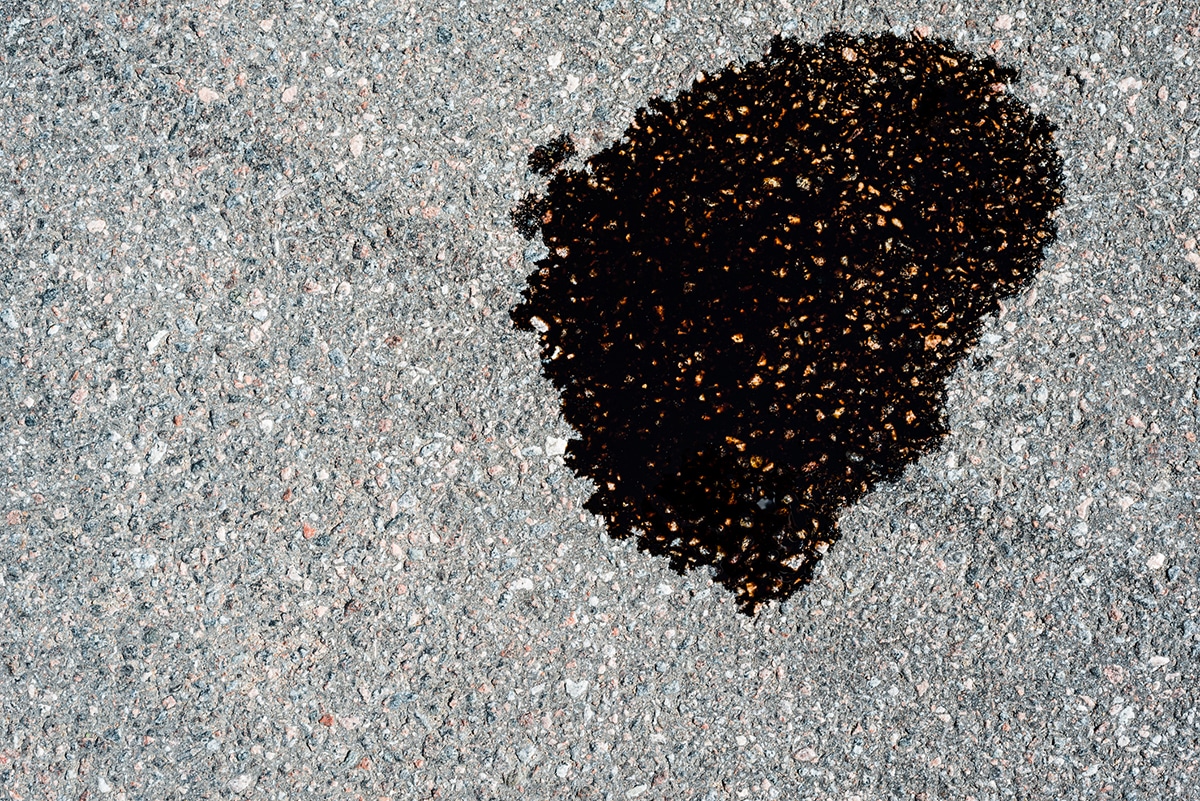
Oil stains on asphalt driveways are more than just an eyesore—they can compromise the surface integrity of the pavement, accelerate deterioration, and make it harder for future maintenance applications like sealcoating to adhere properly. Whether you’re dealing with fresh drips from your car or old, baked-in blotches, using a commercial-grade degreaser can be one of the most effective ways to restore your driveway.
⚠️
Old oil stains may be damaging your driveway from the inside
Oil doesn’t just stain asphalt — over time it breaks down the petroleum binder that holds the surface together, causing softening, cracking, and accelerated deterioration. If your stain is more than 6 months old or the surface around it feels soft or crumbly, cleaning alone won’t solve the problem.
In this guide, we’ll explore what commercial-grade degreasers are, how they work, where to buy them, and how to use them properly. We’ll also share popular tips and tricks for getting your asphalt looking as good as new.
Why Oil Stains Are a Problem for Asphalt Driveways
Asphalt is a petroleum-based material, which means oil stains can soften and break down its surface over time. When oil penetrates the surface, it disrupts the binder that holds the aggregate together, leading to premature cracking, raveling, and pothole formation. This also interferes with routine maintenance. For example, applying sealcoating over oil-contaminated pavement can result in peeling or poor adhesion.
That’s why it’s crucial to clean oil stains thoroughly and as soon as possible.
What Are Commercial-Grade Degreasers?
Commercial-grade degreasers are heavy-duty cleaners formulated to break down and remove tough grease, oil, and grime from hard surfaces. Unlike household cleaners, these degreasers are designed to penetrate porous materials like asphalt and emulsify the oil so it can be washed away.
Common ingredients include:
Surfactants: to lift oil from the surface
Emulsifiers: to break the oil into smaller droplets
Solvents (citrus-based or chemical): to dissolve hydrocarbons
Alkaline agents (like sodium hydroxide): for deep cleaning
Some degreasers are biodegradable and safe for the environment, while others may require careful handling due to their strength.
💡 Pro tip from 60 years of Connecticut paving
After removing an oil stain, the single best thing you can do for your Connecticut driveway is professional sealcoating. Sealcoating fills surface pores, blocks future oil penetration, and restores a clean uniform black finish — protecting the asphalt binder from further breakdown. Maisano Brothers provides sealcoating across Connecticut with free on-site estimates.
Ready to protect your driveway from future oil damage?
Professional sealcoating is the best long-term defense against oil stains, UV damage, and Connecticut’s harsh freeze-thaw winters. Maisano Brothers provides free on-site estimates for sealcoating, driveway repair, and new driveway installation throughout Connecticut. Licensed, insured, in-house crews only.
Act quickly: The sooner you treat a stain, the easier it is to remove.
Avoid pressure washing before applying degreaser: Doing so can push the oil deeper into the asphalt.
Don’t use kitty litter alone: While it can absorb surface oil, it won’t clean the residue left behind.
Use hot water if safe: Warm water can improve the degreaser’s effectiveness but check product instructions first.
Reapply if needed: Stubborn stains might require 2-3 applications for complete removal.
What If the Stains Won’t Come Out?
If oil has soaked deep into the asphalt or has been sitting for years, even the best degreasers might not fully remove the discoloration. In these cases, you have two options:
Sealcoating the surface If the stain is only cosmetic, consider sealcoating to restore a uniform black finish. Just make sure the oil has been cleaned thoroughly and the surface is dry and oil-free first.
Replacing the affected area For severe damage or long-term softening of the asphalt, installing new asphalt in the damaged section may be the best long-term solution.
Final Thoughts
Oil stains are common, but they don’t have to ruin the look or longevity of your asphalt driveway. Commercial-grade degreasers, when used correctly, are powerful tools that can restore your pavement’s appearance and protect its structural integrity. For best results, act quickly, use the right product, and don’t hesitate to call a professional if the damage is too severe.