Key Takeaways
- Asphalt is 100% recyclable and is reused more than paper, plastic, or glass, making it one of the most sustainable building materials.
- The recycling process involves milling, crushing, reheating, and mixing reclaimed asphalt pavement (RAP) into new surfaces.
- Recycled asphalt saves money by reducing the need for new aggregates and asphalt binder, lowering both material and transportation costs.
- Using RAP conserves natural resources, cuts landfill waste, and reduces energy consumption compared to producing all-new asphalt.
- Asphalt recycling demonstrates how reusing materials can be both practical and sustainable — a lesson that applies to all types of recycling.
Asphalt is one of the most widely used construction materials in the world, covering everything from residential driveways to interstate highways. In the United States alone, millions of tons of asphalt pavement are produced each year to build and maintain critical infrastructure. What many people don’t realize, however, is that asphalt is also one of the most recycled materials on the planet. In fact, more asphalt is recycled annually in the U.S. than paper, plastic, aluminum, or glass combined.
This process, known as asphalt recycling, allows old pavement to be reclaimed and reused to build new roads, driveways, and parking lots. The result is a system that reduces waste, conserves resources, and saves money — all while delivering surfaces that are just as strong and durable as those made from entirely new materials.
What Is Asphalt Recycling?
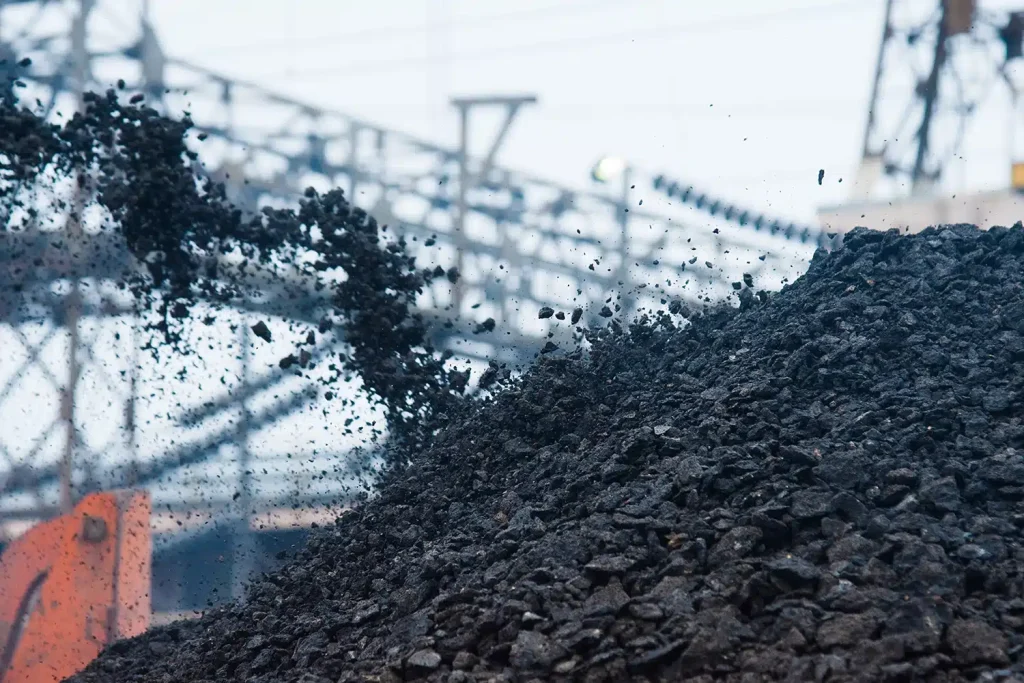
Asphalt recycling is the practice of reusing old asphalt pavement by reclaiming the material, processing it, and blending it into new asphalt mixtures. In the paving industry, the material is referred to as RAP (Reclaimed Asphalt Pavement). RAP is produced when existing pavement is removed during resurfacing or reconstruction projects. Instead of hauling this material to a landfill, contractors recycle it and put it back into service.
One of the reasons asphalt is so easily recycled is that it is made of two main components: aggregates (stone, sand, and gravel) and an asphalt binder (a petroleum product that holds the aggregates together). When pavement is reclaimed, both the aggregates and the binder can be reused. This not only reduces the demand for virgin materials but also lowers the cost of production.
How the Asphalt Recycling Process Works
Depending on the project specifications, recycled asphalt content can range from 10% to 100%. For more information on recycling methods and standards, check out RecycleFind’s asphalt recycling resources
1. Milling or Removal
The first step is to remove the existing asphalt surface. This is often done with milling machines that grind the pavement into small, manageable pieces without disturbing the underlying base layers. Milling is highly efficient and allows contractors to recycle the material right on site.
2. Crushing and Screening
Once the old asphalt has been removed, it is processed in a crushing and screening plant. This ensures that oversized chunks, debris, and impurities are removed, and the material is ground to the correct size for reuse.
3. Reheating and Mixing
The processed RAP is then reheated and blended with fresh asphalt binder and new aggregates as needed. Depending on the project specifications, recycled asphalt content can range from 10% to 100%. Advances in technology now allow for higher percentages of RAP without compromising quality.
4. Repaving and Compaction
Finally, the recycled asphalt mix is laid down, compacted with rollers, and smoothed into a new driving surface. The result is a pavement that performs just as well — and in many cases better — than surfaces made with entirely new materials.
Why Asphalt Recycling Is Used
The use of recycled asphalt isn’t just about being environmentally friendly — it’s also about practicality and efficiency. Contractors, municipalities, and property owners choose asphalt recycling for three main reasons:
- It reduces project costs. Asphalt binder is one of the most expensive components of pavement, and recycling allows it to be reused.
- It conserves natural resources. Aggregates such as stone and sand are finite materials. Reusing them helps preserve quarries and natural landscapes.
- It supports sustainability initiatives. Many state and federal transportation agencies set requirements for recycled content in asphalt mixes, making recycling the industry standard rather than the exception.
Benefits of Asphalt Recycling
1. Environmental Benefits
Recycling asphalt keeps millions of tons of waste out of landfills every year. It also reduces the need for mining and quarrying, which lowers the environmental footprint of paving projects. Fewer raw materials mean fewer emissions, less water consumption, and less strain on natural ecosystems.
2. Cost Savings
Using RAP lowers material costs significantly. Since much of the aggregate and binder is already present in the recycled material, contractors don’t have to purchase as many new raw materials. This makes projects more affordable for municipalities, businesses, and homeowners alike.
3. Durability and Performance
Contrary to common assumptions, recycled asphalt is not weaker than new asphalt. In fact, when properly processed and mixed, recycled asphalt performs just as well. It resists cracking, rutting, and moisture damage — critical features in both high-traffic parking lots and residential driveways.
4. Energy Efficiency
Producing new asphalt requires high energy input, particularly in refining petroleum for binder. Recycling dramatically reduces that demand, leading to lower energy consumption and fewer greenhouse gas emissions.
5. Flexibility in Application
Recycled asphalt can be used in a wide range of applications, including:
- New roadways and highways
- Residential driveways
- Parking lots
- Base or subbase layers for construction projects
- Cold mix asphalt for patching and repairs
This flexibility makes it one of the most versatile recycled materials available.
Industry Adoption and Growth
Today, asphalt recycling is a standard practice across the United States. According to the Federal Highway Administration, nearly 100 million tons of RAP are collected every year, with over 80% of it being reused. State Departments of Transportation often require contractors to incorporate recycled materials into paving projects, both to reduce costs and to meet environmental goals.
The growth of asphalt recycling is also driven by advances in technology. Modern asphalt plants can handle higher percentages of RAP while maintaining quality control. Warm-mix asphalt technology further improves the efficiency of the process by lowering the production temperatures required, which reduces fuel consumption and emissions.
Asphalt Recycling in Everyday Life
For property owners, asphalt recycling means that the new driveway or parking lot being installed may contain material from a road just down the street. For municipalities, it means budget dollars stretch further, allowing for more miles of roads to be resurfaced each year. For businesses, it means reduced downtime and cost savings on large-scale parking lot projects.
Recycled asphalt isn’t just a construction material — it’s a symbol of how infrastructure can be built more sustainably without sacrificing quality.
The Bigger Picture: Why All Recycling Matters
Asphalt recycling is one of the best examples of how industries can close the loop on waste, but it’s not the only one. Metals, plastics, paper, and even organic materials like wood and food scraps can be recycled or repurposed to reduce waste and conserve resources.
The lesson here is simple: when we recycle, we give materials a second life. For asphalt, that means smoother roads and safer driveways. For aluminum, it means fewer mining operations. For plastics, it means cleaner oceans. For paper, it means fewer trees are cut down.
Each act of recycling, whether large-scale in construction or small-scale at home, contributes to a more sustainable future. Asphalt shows us that recycling can be practical, cost-effective, and high-performing. The same principles apply when we recycle bottles, cans, electronics, or yard waste.
By rethinking what we throw away, we can reduce our environmental footprint, save money, and build a cleaner, more sustainable world for generations to come.
Final Thoughts
Asphalt recycling is proof that sustainability and practicality can go hand in hand. The process saves natural resources, lowers costs, reduces landfill waste, and delivers high-quality pavement that stands the test of time. It’s a success story that demonstrates the value of recycling — not only in construction but in every aspect of our lives.
When we choose to recycle, whether it’s asphalt from a highway or bottles from our kitchen, we make a positive impact. Asphalt may pave the way, but recycling in all its forms is what helps us build a stronger, greener, and more responsible future.