Tag: driveway maintenance

  • Do I Need a Written Contract for Driveway Paving?

    Do I Need a Written Contract for Driveway Paving?

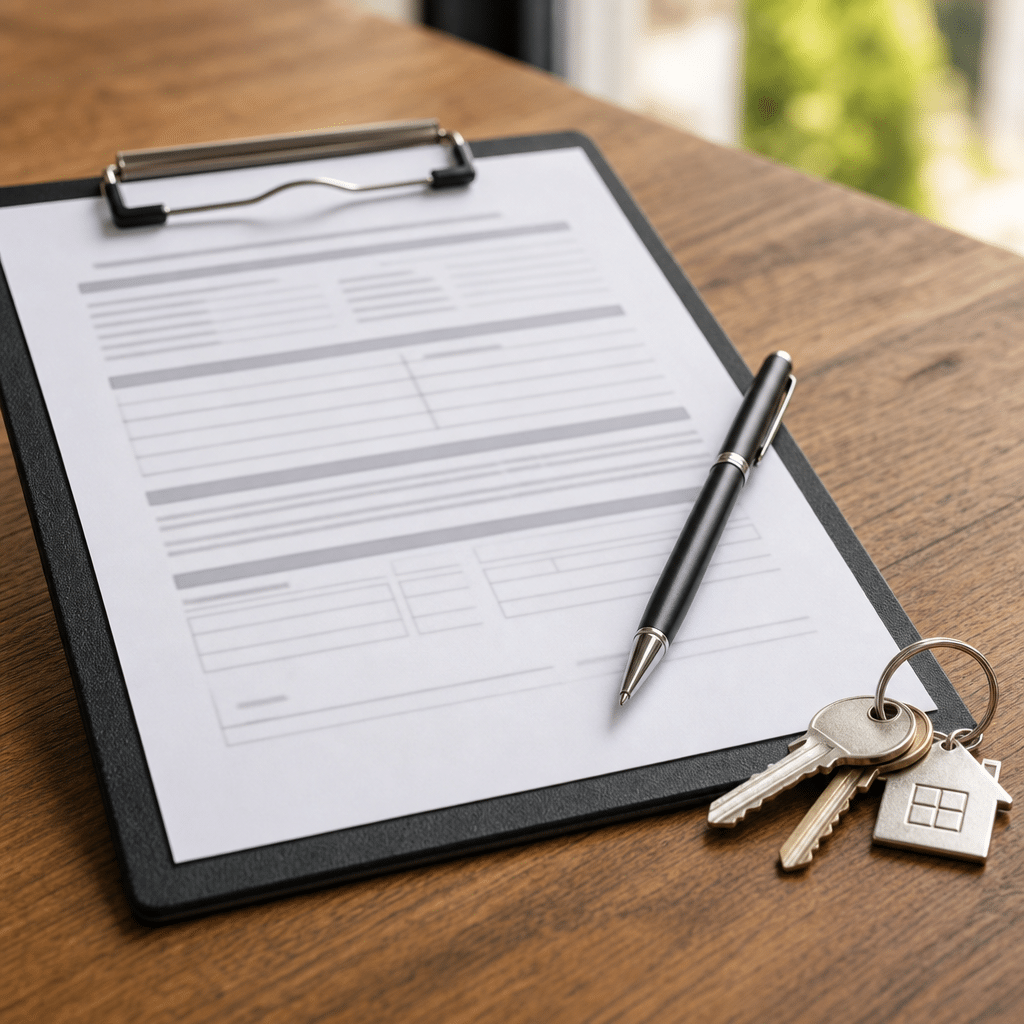
    Yes, you should have a written contract for driveway paving. A handshake or verbal agreement may feel simple at the start, but it leaves too much room for confusion once the crew, materials, schedule, and payment terms are involved. A clear contract protects both the homeowner and the contractor by putting the real scope of work in writing.

    That does not mean the paperwork has to be complicated. It just needs to spell out what is being done, what is included, what is excluded, and how changes will be handled. If you are planning new asphalt driveway installation or a major driveway replacement, the written agreement matters even more.

    Key Takeaways

    A written paving contract helps prevent surprise charges, scope disputes, and misunderstandings about what the finished driveway should include.

    Quick answer

    • Yes, driveway paving should be covered by a written contract.
    • The contract should list scope, materials, prep, cleanup, payment terms, and warranty details.
    • Verbal promises should be added to the written agreement before work begins.
    • Change orders should be approved before extra work is performed.
    • A good contractor should not be bothered by basic paperwork.

    Why a written contract matters

    Driveway paving involves more than placing asphalt. The final result depends on excavation, base repair, grading, compaction, drainage, material thickness, access, cleanup, and weather. If those details are not written down, disagreements become much harder to resolve.

    A contract turns the conversation into a shared plan. It helps you compare the contractor’s proposal against the company’s asphalt paving services and confirms that everyone understands the job before work starts.

    What should be included in the contract

    Project scope

    The contract should describe the driveway area, the work being performed, and whether the job is a resurfacing, replacement, repair, or new installation.

    Base preparation

    Look for details about excavation, stone base, compaction, and asphalt grading. This is where many cheap proposals cut corners.

    Material and thickness

    The agreement should identify the asphalt work being performed and the planned thickness where possible.

    Cleanup and disposal

    Old asphalt, dirt, and job debris should either be included or clearly excluded.

    Payment terms

    The contract should explain deposit requirements, progress payments if any, final payment, and accepted payment methods.

    Warranty information

    If there is a warranty, the terms should be written clearly. The warranty should explain what is covered, what is excluded, and how long protection lasts.

    The FTC recommends getting home improvement details in writing before work begins: FTC home improvement guidance.

    What should make you pause before signing

    Any contractor who refuses to write down the scope is asking you to accept unnecessary risk. If the company will not specify base work, thickness, cleanup, payment terms, or warranty language, you do not have enough information to compare the job honestly.

    • Pause if the contractor will not define the work in writing.
    • Pause if the proposal leaves out prep or cleanup.
    • Pause if the payment schedule is unclear.
    • Pause if the contractor seems irritated by reasonable questions.
    • Pause if verbal promises do not appear in the written contract.

    How to handle changes after work starts

    Sometimes the site reveals an issue once the crew opens the driveway. A soft base, hidden drainage problem, or damaged edge may require extra work. That does not automatically mean the contractor did anything wrong. It means the contract should explain how changes are approved.

    A good agreement should state how extra work will be priced, who approves it, and whether a written change order is required before the crew proceeds. That simple process can prevent a lot of frustration later.

    What a solid contract helps you avoid

    A detailed contract helps prevent surprise charges, vague promises, and disputes about what was included. It also helps you compare contractors without trying to remember who said what during a phone call.

    If two contractors sound similar in person, the written proposals often reveal the real difference. One may include proper base repair and cleanup. Another may only plan to pave over the existing surface. That is not a small detail; it is the core of the job.

    What happens when there is no contract

    Without a signed agreement, every disagreement becomes a memory contest. One side thinks cleanup was included. The other side thinks it was extra. One side remembers a discussion about base depth. The other remembers only the price.

    There is nothing wrong with wanting the job to feel simple. The best way to make it simple is to document the details clearly before work begins.

    Questions to ask before signing

    • What exact work is included?
    • What work is excluded?
    • How will the base be prepared?
    • What thickness will be installed?
    • How are change orders handled?
    • What warranty applies to the job?
    • When is payment due?

    FAQs

    Is a written estimate the same as a contract?

    Not always. An estimate may describe expected pricing, while a contract should define the agreed scope, terms, and responsibilities.

    Can I rely on verbal promises?

    You should not rely on them unless they are added to the written agreement.

    Should the contract include cleanup?

    Yes. Cleanup and disposal should be included or clearly listed as excluded.

    What if hidden issues are found?

    The contract should explain how extra work is approved and priced before the crew continues.

    Is paperwork a bad sign?

    No. Clear paperwork is a good sign. It shows the contractor is organized and willing to be accountable.

    Get the agreement clear before work begins

    A written contract should make you more confident, not more confused. If you want a clear paving proposal for your property, review the FAQ, contact Maisano Brothers Inc., or request an estimate.
  • How to Prepare Your Property Before Asphalt Paving

    How to Prepare Your Property Before Asphalt Paving

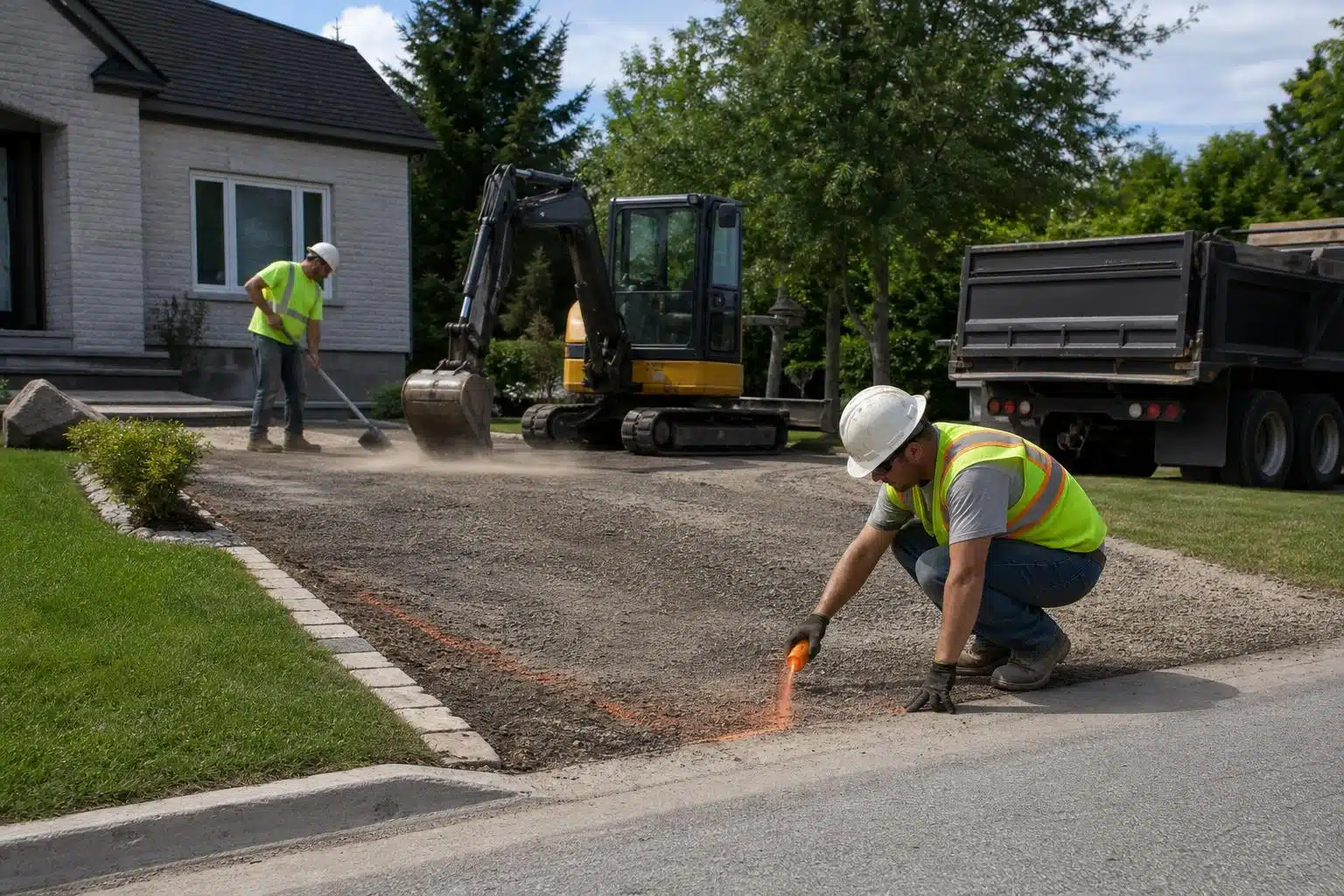
    If you’re planning a new driveway, resurfacing an older surface, or paving a parking area, the work starts before the asphalt truck arrives. In this guide, you’ll learn the seven prep steps that make a paving job go smoother: clearing access, confirming scope, handling drainage, marking utilities, protecting nearby surfaces, coordinating timing, and checking the site one last time before work begins.

    Good prep does more than save time. It helps the crew set the right elevations, avoid conflicts with buried or fragile fixtures, and finish a cleaner, more durable surface.

    Why prep matters before the first load arrives

    Asphalt paving is a construction project, not just a material drop. The better the site is prepared, the easier it is for the contractor to grade the surface correctly, complete any needed base repair, and place a smooth overlay when that is the right solution.

    Preparation also helps reduce delays, vehicle conflicts, utility problems, cleanup issues, and confusion about what is included in the job. A few hours of planning can save a lot of backtracking later.

    1. Clear the work area

    Remove anything that could block equipment or slow the crew down.

    That usually includes:

    • cars and trucks
    • basketball hoops
    • planters
    • patio furniture
    • trailers
    • storage items
    • trash cans

    If the crew cannot reach the paving area cleanly, the project can stall before it starts. Clearing the site also gives the contractor room to work edges, transitions, and corners without damage.

    2. Confirm the scope before paving day

    The most common project problems start with assumptions. Before the crew arrives, make sure everyone agrees on what is being done and what is not.

    Ask:

    • Is this a new install, an overlay, or a repair?
    • Are base repairs included?
    • Will old material be removed?
    • Is cleanup included?
    • Who handles striping or markings on a commercial site?

    This conversation matters because the right prep depends on the project type. A simple residential driveway needs a different setup than a commercial lot with traffic control, multiple users, or phased work.

    3. Pay attention to grading and drainage

    Water is one of asphalt’s biggest enemies, so the site needs to shed it correctly. When the surface holds water, the pavement wears faster and weak spots show up sooner.

    Walk the property and point out:

    • low spots
    • soft spots
    • areas that already collect water
    • edge breakdown
    • runoff paths
    • places where a slope feels wrong

    If you’re dealing with a problem area, ask whether grading or additional base repair should be included before paving. Even a great asphalt surface will struggle if the water has nowhere to go.

    4. Mark utilities and protect fixtures

    If the work involves digging, edge work, or any kind of deeper prep, utility markings matter.

    Before paving day:

    • call 811 if digging is part of the job
    • identify sprinkler heads, drain covers, or landscape lighting
    • point out buried service lines if you know their location
    • mark anything fragile or hidden near the work zone

    The official 811 Before You Dig guidance exists for a reason: buried lines are easy to miss and expensive to hit. If the site also has drains, lights, or decorative edges, flag those too so the crew can protect them.

    5. Make access and staging easy

    The crew needs a clear path for trucks, rollers, and handwork.

    Check for:

    • locked gates
    • low branches
    • narrow entrances
    • parked vehicles nearby
    • obstacles along the route in and out
    • areas where material or equipment can be staged

    If access is tight, tell the contractor ahead of time so they can plan for truck position, equipment layout, and turning room. Small access problems can slow a job down fast.

    6. Coordinate people, timing, and weather

    If the property is shared or busy, timing matters almost as much as the paving itself.

    For example:

    • tell tenants when vehicles must be moved
    • notify employees or customers about closure windows
    • keep deliveries away from paving time
    • make sure someone is available onsite to answer questions
    • watch the forecast and build in flexibility for weather delays

    The best paving crews can work efficiently, but they still need the site to be ready. Coordination keeps the job from turning into a stop-and-start mess.

    7. Protect landscaping and nearby surfaces

    If the paving area sits near grass, beds, fencing, or finished concrete, protect those areas before work starts.

    Good paving crews are careful, but it helps to point out:

    • fresh landscaping
    • fragile edging
    • sprinkler heads
    • decorative stone
    • garage aprons
    • walkways

    A quick walk-through before work starts is usually enough to catch trouble spots. For a public utility-focused reference, 811 Before You Dig explains why buried-line marking matters before excavation starts.

    Residential vs. commercial prep

    Residential prep is usually simpler: clear the driveway, move vehicles, and give the crew access. If this is a home project, residential paving is a good place to see how that work fits into the bigger project.

    Commercial prep usually needs more coordination:

    • traffic control
    • tenant notices
    • staging areas
    • reopening plans
    • after-hours scheduling
    • signage or striping coordination

    For larger sites, commercial paving is the better fit.

    The bigger the site, the more important the prep plan becomes.

    Common mistakes to avoid

    • leaving vehicles in the work area
    • assuming the contractor knows where everything is buried
    • forgetting to plan for rain or weather delays
    • not telling occupants when the site will be unavailable
    • failing to ask what prep work is included in the estimate
    • skipping a final walk-through before the crew starts

    FAQs

    How far in advance should I prepare my property?

    For most residential projects, a day or two is enough. Larger commercial jobs may need more lead time because of traffic control, tenant coordination, or phased access.

    Do I need to remove everything from the driveway or parking area?

    Yes. Anything inside the work zone should be moved before the crew arrives so equipment, material, and handwork can move without interruption.

    Should I warn my neighbors?

    If access, noise, or temporary parking changes may affect them, yes. A quick heads-up can prevent complaints and confusion, especially in tight neighborhoods or shared lots.

    What if I find a drainage issue before paving?

    Bring it up before the job starts. Drainage problems are much easier to correct during prep than after asphalt is already in place, and the contractor can decide whether grading or repair is needed.

    Does prep differ for resurfacing and new paving?

    Yes. New paving usually needs more site preparation than a simple overlay because the crew may need to adjust elevations, fix the base, or correct drainage before the new surface goes down.

    What should I ask the contractor before paving day?

    Ask what prep work they expect from you, what they will handle, and whether any site issues could change the scope. That short conversation often prevents the biggest surprises.

    Sources

    Are you ready for paving day?

    If you want a paving project to go smoothly, the prep matters. Maisano Brothers Inc. can review the site, confirm the scope, and help you plan the work the right way. If you’re ready to move forward, contact us and we’ll take it from there.