Key Takeaways
- Potholes are caused by water infiltration, freeze-thaw cycles, and base failure beneath the asphalt
- Cold patch repairs are temporary, while hot mix and full-depth patching provide longer-lasting solutions
- Proper preparation and compaction are critical to prevent early failure
- Recurring potholes often indicate deeper structural or drainage issues
- Preventive maintenance like sealcoating and crack filling significantly extends driveway lifespan
Potholes don’t appear overnight. What starts as a small crack or weak spot in your asphalt can quickly develop into a larger structural issue if left untreated. For homeowners, potholes in a driveway are more than just an eyesore—they can create safety hazards, damage vehicles, and lead to costly repairs if ignored.
If you’re dealing with surface damage, learning how to properly driveway repair issues early can save you time and money. This guide explains what causes potholes, how to fix them correctly, and when it’s time to call in a professional.
What Causes Potholes in Asphalt Driveways?
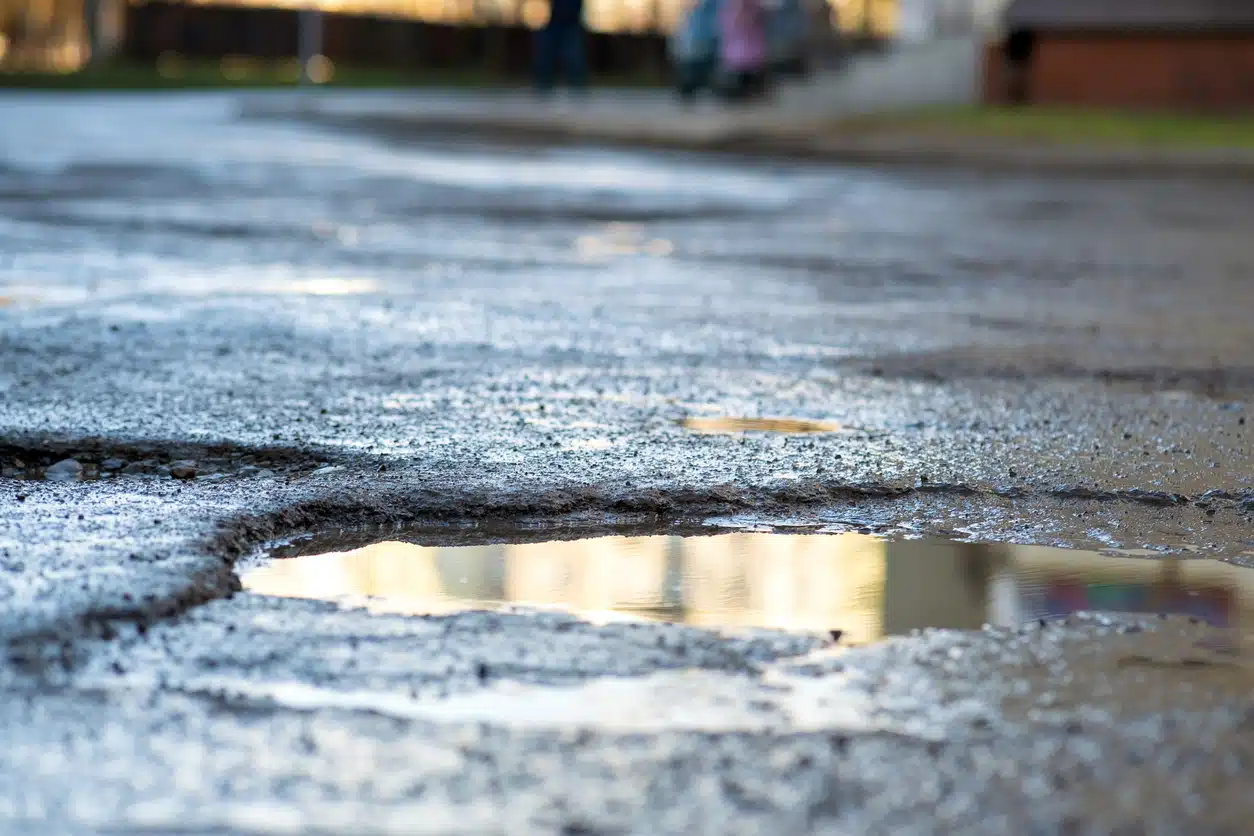
Potholes are typically the result of water infiltration combined with structural failure beneath the asphalt surface. While they may look like surface-level damage, the real problem often starts below.
Water Infiltration
Water enters through small cracks in the asphalt surface. Once it penetrates the pavement, it weakens the underlying base layers.
Freeze-Thaw Cycles
In climates like Connecticut, water freezes and expands during colder months. This expansion creates pressure within the pavement, leading to cracks and voids beneath the surface.
Traffic Stress
As vehicles drive over weakened areas, the asphalt begins to break apart. Over time, this repeated stress causes the surface to collapse.
Base Failure
When the subgrade or base layer becomes unstable, the asphalt above it can no longer support weight. This is one of the most common reasons potholes continue to return after being patched.
Why Prompt Pothole Repair Matters
Delaying pothole repairs can lead to more serious and expensive issues. What may start as a small patch job can quickly turn into a full driveway replacement if ignored.
Improved Safety
Potholes create uneven surfaces that increase the risk of trips and falls, especially for children and older adults.
Vehicle Protection
Driving over potholes can damage tires, wheels, suspension systems, and vehicle alignment.
Preventing Further Damage
Once water enters the pavement, deterioration accelerates. Addressing potholes early stops the damage from spreading.
Lower Long-Term Costs
Understanding the cost of pothole repair helps homeowners see why early maintenance is significantly more affordable than major reconstruction.
Types of Pothole Repairs
Choosing the right repair method depends on the size, depth, and severity of the pothole.
Cold Patch Asphalt
This is a quick and convenient option for small potholes. Cold patch can be applied without specialized equipment and works well for temporary fixes, especially in colder weather.
Hot Mix Asphalt
Hot mix asphalt provides a stronger, longer-lasting repair. It requires proper installation and compaction but delivers better durability and performance.
Full-Depth Patching
This method involves removing both the damaged asphalt and the compromised base beneath it. The area is rebuilt from the ground up, making it the most effective solution for recurring potholes.
Step-by-Step Guide to Repairing a Pothole
1. Assess the Damage
Determine the size and depth of the pothole. Look for loose edges, cracks, and signs of base failure.
2. Prepare the Area
Remove loose asphalt, debris, and dirt. For longer-lasting repairs, square off the edges of the pothole to create a clean working area.
3. Clean Thoroughly
A clean surface is critical for proper adhesion. Remove dust, moisture, and any remaining debris.
4. Apply Patch Material
Fill the pothole with cold patch or hot mix asphalt, depending on the repair type. Slightly overfill the area to allow for compaction.
5. Compact the Material
Use a tamper, plate compactor, or heavy object to compress the material. Proper compaction ensures a strong bond and prevents premature failure.
6. Seal the Surface
Applying a sealcoat over the repair helps protect against water infiltration and extends the life of the patch.
When a Patch Isn’t Enough
Not all potholes can be fixed with a simple patch. In some cases, the issue runs deeper than the surface.
- Potholes that repeatedly return
- Soft or sinking areas in the driveway
- Multiple damaged sections
- Poor drainage or standing water
In these situations, it’s best to get a free estimate and have the driveway evaluated for more permanent solutions like resurfacing or full-depth repair.
Preventing Future Potholes
Maintaining your residential driveway paving is the best way to prevent potholes from forming in the first place.
Sealcoating
Sealcoating every 2–3 years helps protect asphalt from water, UV rays, and chemical damage.
Crack Filling
Addressing cracks early prevents water from penetrating into the base layers.
Proper Drainage
Ensuring water flows away from your driveway reduces the risk of subbase erosion.
Even Load Distribution
Avoid parking in the same exact spot repeatedly, which can weaken asphalt over time.
DIY vs Professional Pothole Repair
When DIY Makes Sense
Small potholes with stable bases can often be repaired using cold patch materials as a temporary solution.
When to Hire a Professional
Larger potholes, recurring damage, or signs of base failure require professional equipment and expertise to ensure a long-lasting repair.
Conclusion
Pothole repair is an essential part of maintaining a safe, durable, and visually appealing driveway. Addressing issues early helps prevent more extensive damage and costly repairs down the line. Whether you handle minor repairs yourself or bring in a professional for more complex work, taking action now will extend the life of your asphalt surface.
If potholes keep coming back or the damage runs deeper than the surface, it may be time for a professional assessment. Request a free estimate from Maisano Brothers — Connecticut’s trusted driveway repair experts since 1967.
Hot mix asphalt provides the most durable repair, while full-depth patching is best for structural failures.
Cold patch may last a few months to a year, while properly installed hot mix repairs can last several years.
Yes, small potholes can be repaired using cold patch, but larger or recurring issues require professional repair.
Recurring potholes are usually caused by base failure or poor drainage beneath the surface.
No, sealcoating protects the surface but does not repair structural damage.
Spring through fall is ideal for permanent repairs using hot mix asphalt.
Water infiltration, freeze-thaw cycles, traffic stress, and weak base layers are the primary causes.
Regular maintenance, crack sealing, proper drainage, and sealcoating help prevent potholes.