
Tag: residential driveway paving

  • How Does Summer Heat and Weather Affect Asphalt?

    How Does Summer Heat and Weather Affect Asphalt?

    Asphalt surfaces, while durable, are susceptible to damage from high temperatures and UV rays. Understanding how summer weather impacts asphalt can help in maintaining and extending its lifespan. Here’s a breakdown of the primary issues caused by summer heat:

    Oxidation

    Asphalt oxidation is a form of deterioration triggered by UV rays from the sun. This chemical reaction causes the light oils in the asphalt to mix with heavier oils, reducing the binding oils that provide structural integrity. As oxidation progresses, the asphalt loses its elasticity and becomes brittle, making it prone to cracks, buckling, and failure. This deterioration also causes the asphalt to fade from a dark black to a lighter black-grey hue, affecting the appearance and stripping pavement markings on roads and parking lots. The more UV radiation the asphalt is exposed to, the more severe the oxidation, leading to deep cracks and potholes. While asphalt naturally ages over decades, the sun’s rays can accelerate this process significantly.

    Cracking

    Cracking in asphalt can result from both solar radiation and oxidation, as well as thermal changes. During extreme heat, such as temperatures over 90°F, asphalt expands. When temperatures drop at night or during rain, the asphalt contracts. This constant expansion and contraction lead to cracks, and in severe cases, the road may buckle. Cracking is common in older asphalt but can also occur in newly installed surfaces if the installation is improper or maintenance is neglected. Heavy traffic on roads and parking lots can exacerbate this issue. Cracking allows water to infiltrate, causing further damage. As temperatures drop, the trapped water can freeze, expanding and damaging the asphalt subbase, making timely repairs crucial.

    Raveling

    Raveling occurs when water or excess moisture enters cracks in the asphalt, leading to binder cohesion failure within the asphalt mixture. This process causes the asphalt to break apart along with the aggregate and soil, further damaging the surface. Raveling is often due to inadequate compaction or separation of the binder and aggregate, but it typically results from asphalt cracking. The more cracks present, the more susceptible the asphalt is to damage, which can lead to settling, rutting, or base failure from water penetration.

    Tracking

    Tracking happens when the asphalt absorbs the sun’s heat energy, causing surface temperatures to rise significantly. As a result, the asphalt surface can soften, releasing tiny specks that stick to shoes or tires. Although tracking is not a severe issue, it indicates the asphalt’s inability to withstand extreme heat temperatures. Asphalt’s solar reflectance values range from 0.04 to 0.16, whereas concrete ranges from 0.18 to 0.35, with darker asphalt absorbing more heat.

    Preventive Measures

    Heat damage to asphalt is inevitable, but you can take steps to minimize its impact and extend the lifespan of your driveway or road. Applying a seal coat and performing regular asphalt repairs are effective ways to protect against excessive damage. Regular maintenance can prevent small issues from becoming significant problems, ensuring a smooth, durable surface for years to come.

    Understanding these factors and taking proactive measures will help you maintain your asphalt surfaces in optimal condition, even under the harsh summer sun. Is your driveway cracked, crumbling, discolored or looks neglected? Contact Maisano Bros today at (203) 239-5405 or request a free estimate here!
  • Achieving Optimal Asphalt Compaction: 4 Essential Tips

    Achieving Optimal Asphalt Compaction: 4 Essential Tips

    Asphalt compaction is a critical step in the road construction process, ensuring durability, longevity, and a smooth surface. Proper compaction not only enhances the structural integrity of the pavement but also reduces the risk of premature deterioration and costly repairs. To achieve optimal asphalt compaction, construction crews must adhere to best practices and employ effective techniques. Here are four essential tips to ensure successful asphalt compaction:

    1. Adequate Temperature Control

    Temperature plays a pivotal role in asphalt compaction, influencing the material’s workability and density. For optimal compaction, asphalt must be delivered and placed at the appropriate temperature range, typically between 275°F and 300°F (135°C to 150°C). This temperature ensures that the asphalt remains sufficiently malleable for compaction while preventing premature cooling and solidification.

    Construction crews must monitor ambient temperatures and adjust heating equipment accordingly to maintain the desired temperature range throughout the paving process. Additionally, using warm mix asphalt (WMA) technologies can help lower mixing and compaction temperatures, reducing energy consumption and emissions while improving workability and compaction efficiency.

    2. Proper Rolling Technique

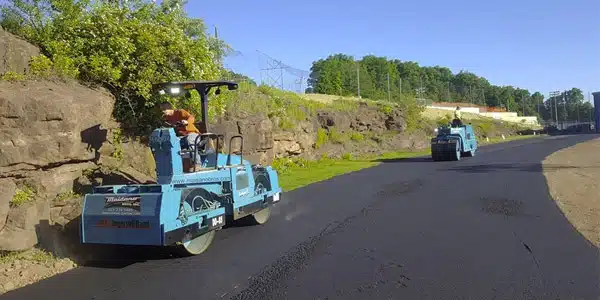
    Effective compaction relies on the proper application of rolling techniques and equipment. The compaction process typically involves the use of heavy rollers, including static steel wheel rollers and vibratory rollers, to achieve the desired density and smoothness of the asphalt surface.

    To ensure uniform compaction, construction crews should employ a systematic rolling pattern, starting from the outer edges of the pavement and gradually working toward the center. Overlapping each pass by at least one-half of the roller’s width helps eliminate gaps and achieve consistent compaction across the entire surface.

    Vibratory rollers are particularly effective for achieving high-density compaction in dense-graded mixes, as they generate vibratory forces that penetrate deeper into the asphalt layers, minimizing voids and air pockets.

    3. Proper Moisture Content

    Moisture content is another critical factor influencing asphalt compaction. Excessive moisture can hinder compaction efforts, resulting in decreased density and reduced pavement performance. Conversely, insufficient moisture can lead to premature cooling and inadequate bonding between asphalt particles.

    Construction crews must carefully monitor and adjust moisture levels during the paving process to ensure optimal compaction. Proper hydration techniques, such as using water sprayers or additives, can help control moisture content and improve workability without compromising compaction quality.

    4. Compaction Density Testing

    Regular density testing is essential to verify the effectiveness of compaction efforts and ensure compliance with project specifications. Non-destructive testing methods, such as nuclear density gauges or lightweight deflectometers, provide real-time measurements of asphalt density and stiffness, allowing construction crews to adjust compaction parameters as needed.

    Density testing should be conducted at various stages of the paving process, including during initial placement, intermediate rolling, and final compaction, to identify any potential issues early and address them promptly. By proactively monitoring compaction density, construction crews can optimize pavement performance and minimize the risk of premature failure.

    Conclusion

    Achieving optimal asphalt compaction is essential for the long-term performance and durability of paved surfaces. By adhering to best practices, including controlling temperature, employing proper rolling techniques, managing moisture content, and conducting regular density testing, construction crews can ensure that asphalt pavements meet or exceed project specifications and deliver superior quality and performance for years to come.