Category: Commercial Asphalt Paving Blog

  • Asphalt Prices, The Other Side of the Tariff Story

    Asphalt Prices, The Other Side of the Tariff Story

    Key Takeaways

    • Tariffs on imported asphalt and oil products can shift demand to U.S. producers, boosting local production.
    • More domestic manufacturing means more American jobs in refineries, equipment production, and transport.
    • Localized supply chains reduce reliance on international shipping, improving delivery times and lowering long-term costs.
    • Regions with domestic asphalt capacity experience fewer price spikes during global oil market disruptions.
    • New asphalt plants and facilities help grow local economies by generating revenue, infrastructure, and skilled labor opportunities.

    We often hear that tariffs drive asphalt prices up, and in some cases, that’s true. But there’s another side to the story, especially when it comes to industries like asphalt paving. When tariffs are used strategically, they can actually encourage more domestic production, support American jobs, and build a more reliable supply chain. That might not lower prices overnight, but it can help stabilize and even reduce costs over time.

    Let’s break down how this works in the real world and what it could mean for the asphalt industry, contractors, and you.

    More Demand for U.S.-Made Asphalt and Oil

    Asphalt is made using binder, which comes from crude oil. Right now, some of that oil and even finished asphalt products are imported. Tariffs on those imports can make U.S.-produced materials more competitive. The result?

    • Refineries here at home get busier
    • New investment flows into local asphalt plants
    • American paving companies get stronger and more self-sufficient

    Take Texas and Louisiana, for example. These states are home to some of the largest refineries in the country. With import tariffs in place, local production of asphalt binder has surged in recent years as demand shifts from foreign to domestic sources. More demand means more incentives to upgrade and expand those facilities.

    Instead of depending on unstable international supply chains, we’re building up capacity right here. That’s good for pricing stability and even better for long-term access to materials.

    More Jobs in More Places

    When materials are made locally, that means more jobs across the board:

    • Plant and refinery workers
    • Truck drivers and freight operators
    • Manufacturing techs are building paving machines
    • Crews installing and maintaining new equipment

    The American Iron and Steel Institute reported that tariffs enacted in 2018 helped protect over 10,000 U.S. manufacturing jobs in steel-related industries. That same principle applies in the paving world, where domestic asphalt production supports hundreds of thousands of blue-collar jobs.

    Tariffs can level the playing field between U.S. workers and countries with lower wages or looser regulations. Supporting American manufacturing often leads to more hiring and better-paying jobs.

    Local Production = Long-Term Savings

    Sure, importing materials might be cheaper in the short term. But that savings disappears when a ship gets delayed, a port gets backed up, or an overseas supplier hikes their prices. That’s why building more of what we need locally just makes sense.

    With more U.S. producers in the game, contractors can:

    • Get materials faster
    • Avoid international shipping delays
    • Reduce extra costs from freight, customs, and currency swings

    For example, during the pandemic, global shipping rates surged more than 300% due to port congestion and container shortages. U.S.-based suppliers were able to deliver paving materials more consistently, sometimes more affordably than overseas vendors dealing with delays and extra charges.

    In a more competitive domestic market, prices often stabilize or even go down over time. It’s not an instant discount, but it’s a smarter way to build pricing resilience.

    Reducing Our Dependence on Volatile Oil Markets

    Let’s be honest: oil prices are unpredictable. Wars, embargoes, and market speculation all play a role. When we rely less on foreign oil and more on U.S. supply, we’re less at the mercy of international headlines.

    In 2022, global oil disruptions led to asphalt price spikes in several states. However, regions with access to local production-like parts of the Midwest-saw more stable pricing due to shorter supply chains and fewer dependencies.

    That’s a win for everyone, from American paving contractors trying to quote jobs accurately to municipalities planning their budgets.

    Stronger Local Economies

    When domestic production grows, so do local economies. New plants and jobs mean:

    • More tax revenue for towns
    • More infrastructure investment
    • More skilled jobs for workers in trades and tech

    For instance, in 2021, a new asphalt mixing facility opened in Kentucky with the promise of creating 75 full-time jobs. Projects like these aren’t just good for contractors; they stimulate entire local economies, from housing and retail to logistics and transportation.

    And when the industry thrives locally, it also means better service and access to materials for customers-from homeowners redoing their driveways to businesses managing large commercial lots.

    Conclusion

    Yes, tariffs can raise prices in the short term. But in the long run, they can build a stronger, more reliable American asphalt industry. More jobs. Better infrastructure. And potentially, more affordable paving costs as supply chains stabilize and grow.

    If we play the long game, tariffs might just pave the way to a more resilient, self-reliant future.

  • Why Is Asphalt So Expensive Right Now? Tariffs Might Be to Blame

    Why Is Asphalt So Expensive Right Now? Tariffs Might Be to Blame

    Key Takeaways

    • Tariffs are taxes on imported goods that can raise the cost of materials used in asphalt paving.
    • Asphalt binder is made from crude oil, so tariffs on oil or petroleum products increase asphalt production costs.
    • Steel and aluminum tariffs drive up the cost of paving equipment and infrastructure.
    • Imported additives and polymers used in advanced asphalt mixes are affected by trade policies.
    • Supply chain disruptions from tariffs can lead to material shortages and project delays.
    • Contractors may pass these rising costs onto homeowners and businesses in the form of higher paving estimates.
    • Smart planning and clear communication with contractors can help manage these fluctuating costs.

    If you’ve been planning a driveway repaving or managing a commercial parking lot project, you might be wondering why asphalt costs seem higher than they used to be. One of the reasons? Tariffs.

    Tariffs are taxes placed on imported goods, and they can impact industries in ways most people don’t think about, including asphalt paving. While the paving process itself is local, many of the materials, equipment, and products involved are tied to global trade. Here’s how it all connects—and why it matters to you.

    What Is a Tariff, and Why Does It Matter?

    A tariff is essentially a tax on products brought into the country from elsewhere. Governments use tariffs for different reasons, like protecting local businesses or responding to international trade policies. However, those taxes can make imported goods more expensive. And when materials cost more, contractors often have no choice but to raise their prices to keep up.

    How Do Tariffs Affect Asphalt Costs?

    You might not think asphalt and global trade go hand in hand, but they do, and here’s why:

    1. Asphalt Comes from Oil

    Asphalt binder (the sticky black stuff that holds your pavement together) is made from crude oil. If the U.S. places tariffs on imported oil or certain refined petroleum products, those costs trickle down. That means the base material for asphalt gets more expensive, which drives up the cost of your paving project.

    2. Tariffs on Steel and Equipment

    Paving requires heavy machinery like pavers, rollers, and trucks. These machines are made with a lot of steel and aluminum. When tariffs are placed on those metals, like we saw in recent years, it drives up manufacturing costs. That makes buying and maintaining paving equipment more expensive for contractors, and yes, some of that cost gets passed along.

    3. Specialty Products and Additives

    Modern asphalt often includes polymers and additives for better durability, especially in commercial or high-traffic areas. Some of these materials are imported, and tariffs on them can cause prices to jump overnight.

    4. Supply Chain Disruption

    Even if your contractor uses American-made products, tariffs can shift global supply chains. That means delays, product shortages, and price hikes that ripple across the industry.

    Real-World Example: Roofing Prices and Canadian Oil

    A good example comes from the roofing industry, which also uses oil-based materials. Asphalt shingles are often made with Canadian oil, and when tariffs or import restrictions are placed on it, prices rise across the board. It’s a clear example of how even products labeled “Made in the USA” can be affected by international trade policies.

    What Does This Mean for You?

    Whether you’re a homeowner looking to replace your driveway or a business planning a parking lot resurfacing, tariffs could be part of the reason quotes are higher than expected. Contractors don’t like raising prices, but sometimes, higher costs for materials and equipment leave them no choice.

    You might notice:

    • Larger project quotes than in previous years
    • More variability in pricing depending on material availability
    • Longer wait times as contractors navigate supply chain delays

    What Can You Do About It?

    While you can’t control tariffs or global trade, you can make smart decisions about your paving project:

    • Plan Ahead: Schedule your project early, especially during peak paving season.
    • Get Multiple Estimates: Compare bids to understand current pricing.
    • Ask Questions: A good contractor will be transparent about what’s driving costs.
    • Consider Timing: If costs are spiking due to temporary tariffs or shortages, you might benefit from waiting or locking in a price before increases.

    Final Thoughts

    Tariffs might seem like a distant political issue, but they affect everyday things, like the cost of paving your driveway or parking lot. Understanding how these hidden costs work can help you plan better and avoid sticker shock.

    If you’re planning a paving project and want honest answers about what goes into the cost, get an estimate today. We’re here to help you understand your options and make the most of your investment.

  • How to Fix a Sunken Apron? Protect Your Your Investment from Costly Damage

    How to Fix a Sunken Apron? Protect Your Your Investment from Costly Damage

    A sunken apron is the section of a driveway, typically the part closest to the street or garage entrance, that has settled or sunk below its original level. This sinking often occurs due to issues like poor soil compaction, water erosion, or the natural settling of the ground over time. A sunken apron can create uneven surfaces, leading to water pooling, cracks, and potential damage to both the driveway and adjacent structures like a garage. It can also make driving in and out of the driveway more difficult and can be a tripping hazard. Promptly addressing a sunken apron is crucial to safeguarding your driveway from further problems.

    Identifying the Problem

    When the apron sinks, it creates a gap. This gap, between the driveway and the road, allows water to seep in. Water is the main culprit here. It erodes the base material beneath the apron. Over time, this erosion makes the problem worse.

    Sunken aprons also create bumps. These bumps are annoying when driving in and out. For pedestrians, they become a tripping hazard. Early detection is key. Look for signs of water pooling, cracks, or visible gaps in the apron.

    Causes of a Sunken Apron

    Inadequate compaction of the base material is a frequent culprit behind the gradual sinking of a driveway apron, particularly close to a garage. This can have implications for both the overall driveway and the entrance to the garage. Additionally, the consistent movement of heavy vehicles, such as cars entering and exiting the garage, can further exacerbate this issue, leading to accelerated deterioration of the apron’s condition.

    Water damage also contributes to a sunken apron. Water weakens the base material, especially near your garage if drainage is poor. Freeze-thaw cycles can aggravate the problem, as water freezes, expands, and creates voids under the apron and near the garage.

    Steps to Repair a Sunken Apron

    1. Assessment: First, determine the extent of the damage, especially near the garage entrance or road. Measure the depth of the sinking and check for cracks in the surrounding area, including where the driveway meets the car garage.
    2. Preparation: Begin by removing the damaged section of the apron, focusing on the area leading to your garage. Clear out the old material to reach the base.
    3. Rebuild the Base: Use proper material to rebuild the base. Make sure to compact it thoroughly. A well-compacted base prevents future sinking, protecting both your driveway and garage foundation.
    4. Pour New Concrete: Mix and pour new concrete into the apron, ensuring it’s level with both the driveway and the garage entrance. Smoothing the surface helps with water runoff and ensures a seamless transition.
    5. Curing: Allow the concrete to cure properly. This process takes several days. Keep the area free from traffic, including vehicles entering the car garage, during this time.

    Preventing Future Problems

    Proper base material compaction is essential, especially near the residential garage. Regular inspections of the driveway and apron can help catch early signs of sinking, particularly where the driveway meets the car garage.

    Good drainage is equally important. Ensure water flows away from the apron and the garage entrance to prevent water from weakening the base.

    By following these steps, you can restore the integrity of your driveway. A well-maintained apron enhances the appearance and provides a smooth transition between the driveway, road, and car garage, extending the life of your driveway.

    Reach out to Maisano Bros. Inc. today for a free estimate on all your asphalt paving needs.

  • What is Frost Heave? Is Your Driveway Protected?

    What is Frost Heave? Is Your Driveway Protected?

    Frost heave is a common issue in regions that experience freezing temperatures as we have in New England, particularly affecting asphalt surfaces such as driveways, roads, and parking lots. Understanding the causes, effects, and prevention of frost heave is crucial for maintaining the integrity of asphalt surfaces and ensuring their longevity.

    What is Frost Heave?

    Frost heave occurs when the ground beneath an asphalt surface freezes and thaws repeatedly. During the freezing process, moisture in the soil turns to ice, expanding and pushing the ground upward. When the ice melts during warmer periods, the ground contracts. This cycle of expansion and contraction can cause significant damage to asphalt surfaces, leading to cracking, buckling, and uneven surfaces.

    Causes of Frost Heave in Asphalt

    Soil Composition

    The type of soil beneath the asphalt plays a significant role in frost heave. Soils with high moisture content, such as clay and silt, are more prone to frost heave because they retain more water, which expands when frozen.

    Water Accumulation

    Poor drainage can lead to water accumulation beneath the asphalt surface. When this water freezes, it causes the ground to expand, leading to frost heave.

    Freeze-Thaw Cycles

    Regions with frequent freeze-thaw cycles are more susceptible to frost heave. The repeated freezing and thawing process causes the ground to shift and can lead to significant damage over time.

    Insufficient Base Layer

    A poorly constructed or insufficient base layer beneath the asphalt can make the surface more vulnerable to frost heave. The base layer acts as a buffer, and when it is not properly designed, it fails to protect the asphalt from the effects of frost heave.

      Effects of Frost Heave on Asphalt Surfaces

      Frost heave can lead to various issues with asphalt surfaces, including:

      • Cracking: The expansion and contraction of the ground can cause cracks to form on the asphalt surface. These cracks can widen over time, leading to more significant damage.
      • Uneven Surfaces: As the ground beneath the asphalt heaves, it can create an uneven surface. This not only affects the aesthetics of the asphalt but can also create hazards for vehicles and pedestrians.
      • Buckling and Warping: In severe cases, frost heave can cause the asphalt to buckle or warp, making the surface unusable.

      Preventing Frost Heave in Asphalt

      While it is challenging to completely eliminate the risk of frost heave, there are several measures that can be taken to minimize its impact:

      Proper Soil Preparation

      Before laying asphalt, it is crucial to prepare the soil properly. This includes removing any organic material, ensuring proper drainage, and compacting the soil to reduce the likelihood of frost heave.

      Quality Base Layer

      A well-constructed base layer is essential in preventing frost heave. Using materials that allow for proper drainage and provide stability can help protect the asphalt surface from the effects of freeze-thaw cycles.

      Improved Drainage Systems

      Installing an efficient drainage system can prevent water from accumulating beneath the asphalt surface. This reduces the risk of frost heave by minimizing the amount of water that can freeze and expand.

      Regular Maintenance

      Regular inspection and maintenance of asphalt surfaces can help identify early signs of frost heave. Repairing cracks and other minor damages promptly can prevent more extensive damage over time.

      Use of Frost-Resistant Materials

      In regions prone to frost heave, using frost-resistant materials for both the base layer and the asphalt mix can help mitigate the effects of freezing and thawing.

        Conclusion

        Frost heave is a significant concern for asphalt surfaces in colder climates, but with proper preparation and maintenance, its impact can be minimized. Understanding the causes and effects of frost heave allows for better prevention strategies, ensuring that asphalt surfaces remain functional and safe for years to come. Investing in quality materials, proper drainage, and regular maintenance is key to protecting asphalt from the damaging effects of frost heave.

      1. Ways to Effectively Remove Oil Stains from Your Asphalt Driveway

        Ways to Effectively Remove Oil Stains from Your Asphalt Driveway

        Key Takeaways
        • Fresh oil stains are easiest to remove by absorbing them quickly with inexpensive materials like cat litter before the oil penetrates the asphalt surface.
        • Dish soap works as an effective degreaser and, when combined with scrubbing, can break down oil residue trapped in the porous surface of asphalt pavement.
        • Mild stains can often be removed with household solutions such as baking soda, which helps absorb oil while gently scrubbing the asphalt.
        • Older or stubborn oil stains may require commercial degreasers designed to lift petroleum-based contaminants from asphalt driveways.
        • Preventing oil stains through regular cleaning and periodic driveway sealcoating helps protect the asphalt binder and keeps the driveway looking clean and well maintained.

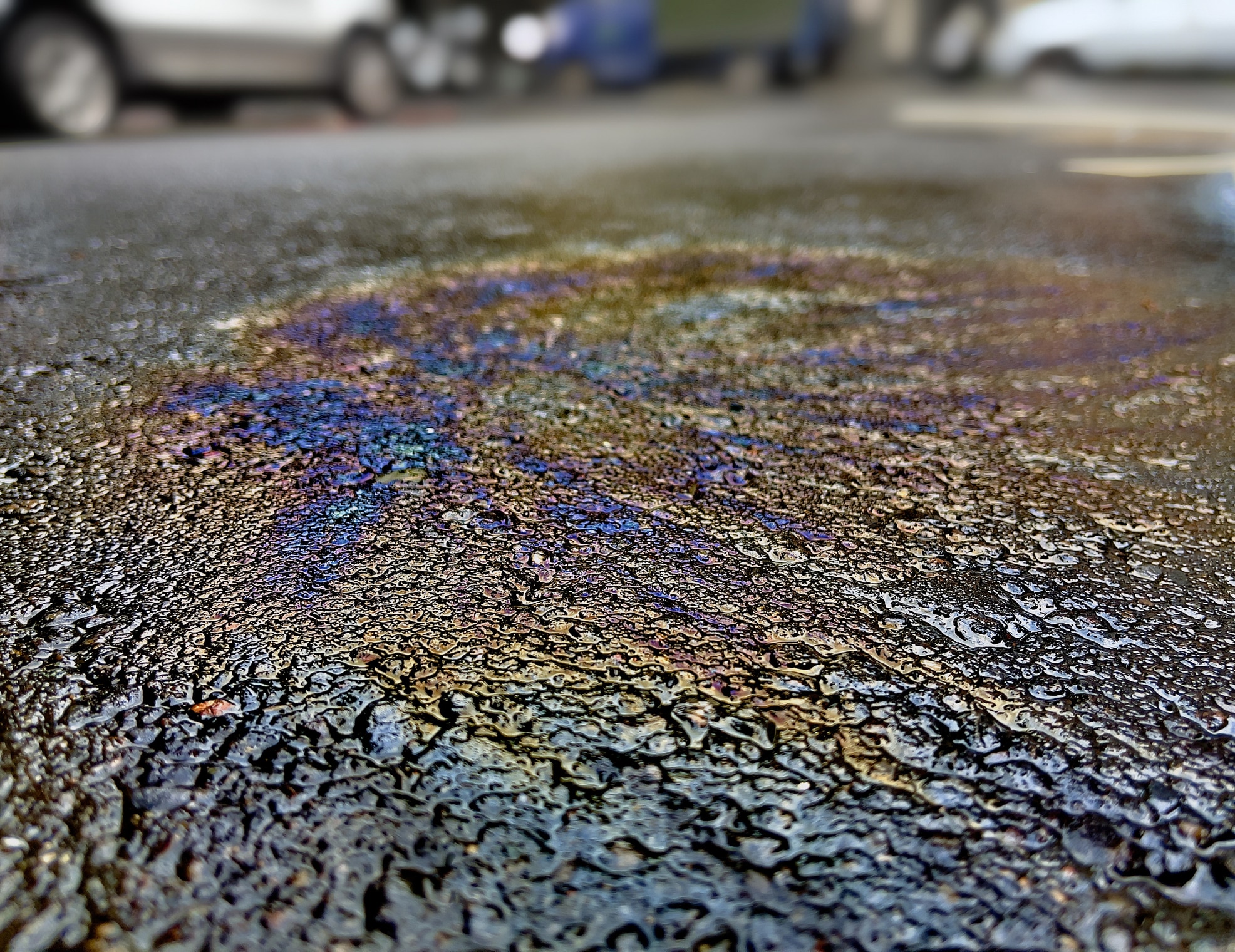
        Oil stains on an asphalt driveway can be unsightly and challenging to remove, but with the right techniques, you can restore your driveway to its original condition (or close to it). Here’s a detailed guide on how to effectively tackle oil stains:

        Absorbing Fresh Oil with Cat Litter

        One of the simplest methods for dealing with fresh oil stains is to use cat litter. This highly absorbent material works best when the spill is still recent. Spread a thick layer of cat litter over the stain and allow it to sit for at least 24 hours. The litter will soak up the oil, making it easier to clean. After the time has passed, simply sweep up the litter and dispose of it. This method is especially useful for fresh spills, as it helps to prevent the oil from penetrating deeper into the asphalt.

        No need to get expensive! The least expensive cat litter will help absorb the oil stains from your driveway.

        Using Dish Soap to Break Down Oil

        Dish soap is a powerful degreaser, making it an effective tool for removing oil stains. Apply a generous amount of dish soap directly onto the oil stain. Use a stiff-bristled brush to scrub the soap into the asphalt, breaking down the oil. After thoroughly scrubbing, rinse the area with warm water to wash away the soap and loosened oil. This method may need to be repeated for older or more stubborn stains, but it’s a simple and readily available solution that works well for many homeowners.

        Any dish soap in addition to scrubbing should help you achieve the desired result.

        Note: Durable materials like concrete and asphalt can handle rigorous scrubbing. Don’t hesitate to use some elbow grease and a sturdy brush to effectively tackle those tough oil stains.

        Baking Soda for Mild Stains

        Baking soda is another common household item that can be used to treat oil stains. Its mildly abrasive nature helps to break down oil while also absorbing it. To use this method, sprinkle baking soda over the stain, ensuring it covers the area completely. Scrub the baking soda into the stain with a brush and let it sit for about 30 minutes. Then, rinse the area thoroughly with water. Baking soda is particularly effective on smaller or less severe stains and offers a gentle cleaning option that’s safe for asphalt.

        Applying Commercial Degreasers for Tough Stains

        For more persistent oil stains that don’t respond well to household remedies, commercial degreasers are often the best option. These products are specifically designed to break down and lift tough oil stains from surfaces like asphalt. Follow the manufacturer’s instructions carefully, applying the degreaser to the stain and allowing it to sit for the recommended amount of time. Afterward, scrub the area with a stiff brush and rinse thoroughly with water. Commercial degreasers are powerful and effective, making them ideal for larger or older stains that have been set into the asphalt.

        Power Washing for Deep Cleaning

        When dealing with large, stubborn stains or when you want to clean a larger area of your driveway, power washing can be an excellent solution. A power washer uses high-pressure water to blast away dirt, grime, and oil from the surface of the asphalt. For the best results, pre-treat the stain with a degreaser before power washing. This combination helps to lift the oil from the asphalt, leaving your driveway clean and stain-free. Power washing is not only effective for oil stains but also for general maintenance, keeping your driveway looking its best.

        Frequently Asked Questions

        What is the best way to remove oil stains from an asphalt driveway?

        For a fresh spill, first absorb as much oil as possible with an absorbent such as clay cat litter, then clean the area with a degreasing cleaner and scrub as needed. Older stains are harder to fully remove because asphalt is porous, so the goal is often to reduce the stain significantly rather than restore a perfect like-new appearance.

        Does cat litter really absorb oil stains from asphalt?

        Yes. Plain clay cat litter can absorb fresh oil sitting on the surface, which helps limit how much oil penetrates the pavement. It works best immediately after the spill, not as a guaranteed cure for older set-in stains.

        Can dish soap remove oil stains from asphalt?

        Yes, dish soap can help break down surface oil because it acts as a degreaser. It is most effective on light or newer stains and may need repeated scrubbing. For deeper or older stains, a stronger asphalt-safe degreaser may work better.

        Is baking soda effective for cleaning driveway oil stains?

        Baking soda can help with small or mild stains because it provides light absorption and mild abrasion during scrubbing. It is a reasonable household option, but it is usually less effective on heavy petroleum stains than dedicated degreasers.

        When should you use a commercial degreaser on asphalt?

        Use a commercial degreaser when the stain is older, darker, larger, or still visible after basic cleaning methods. Follow the product label carefully and make sure the cleaner is suitable for asphalt surfaces.

        Can power washing remove oil stains from asphalt driveways?

        Power washing can help, especially after pretreating the stain with a degreaser, but it should be used carefully. Excessive pressure can damage surfaces, and pros note that the correct pressure matters because too much pressure can crack asphalt.

        Do oil stains damage asphalt driveways?

        Yes. Petroleum products can soften or weaken asphalt because asphalt binder itself is a petroleum-based material, making it vulnerable to fuels and oils. That is why prompt cleanup matters.

        How can you prevent oil stains on your driveway?

        The best prevention is to clean spills quickly, keep the driveway maintained, and use sealcoating as part of a broader maintenance plan. A sealed surface can make cleanup easier and offers added protection from vehicle fluids.

        Does sealcoating help protect against oil stains?

        Yes, sealcoating can help resist penetration from oil and other vehicle fluids, though it does not make the driveway stain-proof. It is best viewed as a protective maintenance layer, not a permanent shield.

        How often should an asphalt driveway be sealed to help protect against stains?

        A common industry rule of thumb is about every 2 to 3 years, but the right interval depends on traffic, weather, and the condition of the driveway. Some sources suggest longer intervals in lighter-use situations, so this is better stated as a typical range rather than a hard rule.

        Will oil permanently stain an asphalt driveway?

        Oil can leave a lasting dark mark on asphalt, especially if it sits too long, but quick cleanup and the right degreasing method can often reduce the stain and help protect the pavement from further damage.

        Preventing Future Stains

        While these methods can effectively remove existing oil stains, prevention is key to maintaining the appearance of your driveway. Here are a few tips to help prevent future oil stains:

        • Prompt Cleanup: Address any oil spills immediately to prevent the oil from seeping into the asphalt.
        • Regular Maintenance: Keep your driveway clean by regularly washing it and addressing minor stains before they become more significant problems.
        • Sealcoating: Consider sealcoating your driveway every few years. Sealcoating creates a protective barrier that helps prevent oil and other substances from penetrating the asphalt, making future stains easier to clean.

        By using these methods and maintaining your driveway, you can keep it looking clean and well-maintained for years to come.

      2. How To Tackle Asphalt Rutting? Identify. Assess. Prevent.

        How To Tackle Asphalt Rutting? Identify. Assess. Prevent.

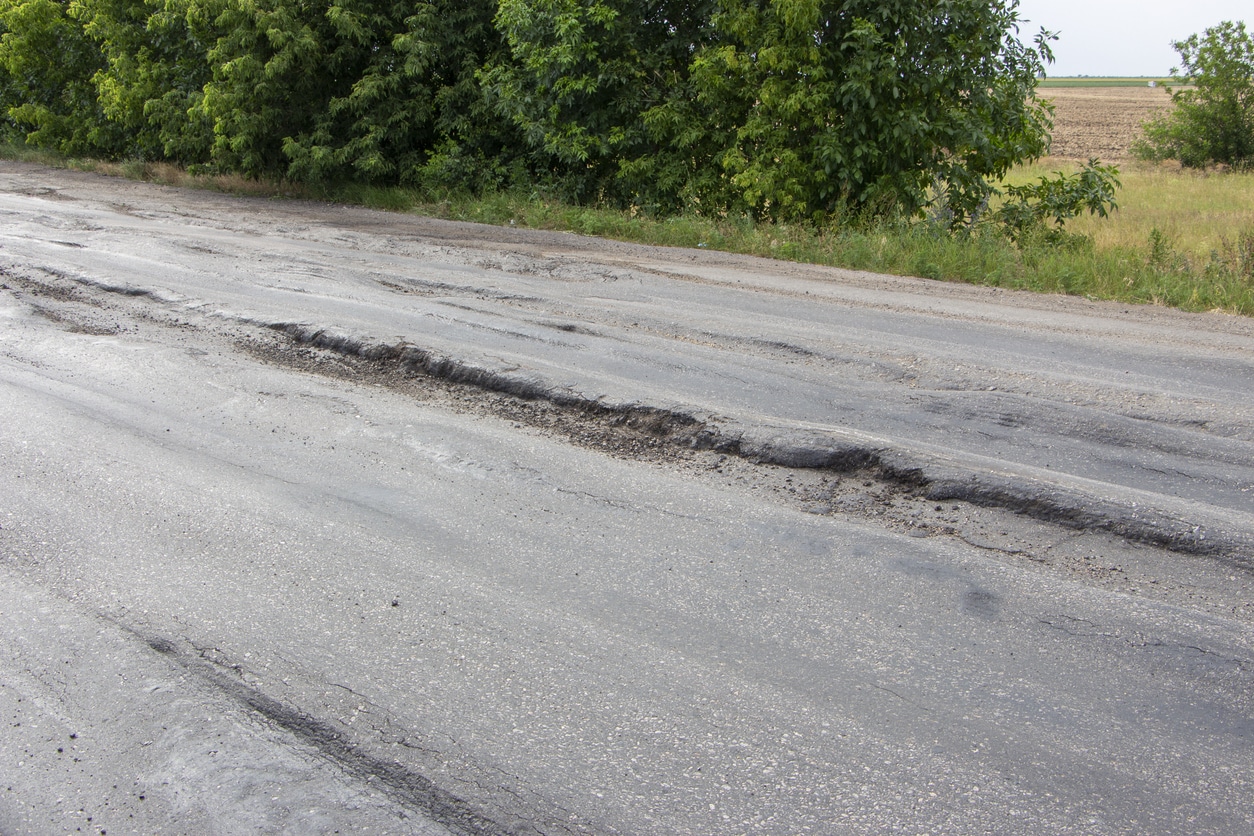
        Asphalt rutting is a common pavement distress characterized by surface depressions in the wheel paths of roads, driveways, and parking lots. Recognizing the causes and implementing preventive measures can significantly enhance the durability and safety of asphalt surfaces. Here are the primary causes of asphalt rutting and ways to prevent it.

        The Role of Subgrade Stability

        An unstable subgrade is a major contributor to asphalt rutting. The subgrade is the ground layer beneath the pavement, which must be properly prepared and stable to support the asphalt above. When the subgrade shifts or compacts under traffic loads, it causes the pavement to deform and form ruts. Proper soil stabilization and compaction techniques are essential during the construction phase to ensure a solid foundation. Techniques such as soil testing, moisture control, and the use of geotextiles can help in achieving a stable subgrade.

        The Importance of Subbase Thickness

        The subbase layer, typically made of crushed gravel or stone, plays a crucial role in distributing traffic loads and providing support to the asphalt layer. If the subbase is too thin or inadequately compacted, it cannot effectively support the asphalt, leading to rutting. Ensuring the subbase is of sufficient thickness and properly compacted during construction is vital for preventing rutting. The recommended thickness of the subbase depends on the expected traffic load and soil conditions, but generally, it should be between 6 to 12 inches.

        Impact of Asphalt Mix Design

        The asphalt mix design directly impacts the pavement’s ability to withstand traffic loads and environmental conditions. A mix with improper aggregate size, insufficient binder content, or inadequate stiffness can lead to rutting. It is crucial to use a well-designed asphalt mix that meets the specific requirements of the project to ensure long-lasting performance. The selection of high-quality materials and proper proportioning of aggregates and binders is essential. Using additives like polymers can enhance the mix’s resistance to deformation.

        Effects of Rutting

        Rutting can lead to hazardous conditions for vehicles, including hydroplaning in wet conditions. It also accelerates the wear and tear of the pavement, leading to more extensive and costly repairs over time. In severe cases, rutting can compromise the structural integrity of the pavement, necessitating complete reconstruction.

        Preventive Measures

        To prevent asphalt rutting, consider the following measures:

        • Proper Site Preparation: Ensure thorough compaction and stabilization of the subgrade and subbase layers. Soil testing and remediation methods, such as lime or cement stabilization, can improve subgrade stability.
        • Quality Asphalt Mix: Use a well-designed asphalt mix with appropriate aggregate size and binder content. Implementing superpave mix design methods can help optimize the asphalt mixture.
        • Regular Maintenance: Perform routine inspections and maintenance to address early signs of distress before they escalate into severe rutting. Crack sealing and seal coating can prevent water infiltration and subsequent damage.
        • Professional Installation: Engage experienced and reputable paving contractors to ensure high-quality construction practices. Proper training and adherence to industry standards are crucial for long-lasting pavements.
        • Load Management: For heavily trafficked areas, consider implementing load restrictions or using materials and designs that can better withstand high loads, such as reinforced asphalt layers or thicker pavement structures.

        Case Studies and Examples

        Several case studies highlight the effectiveness of preventive measures in combating asphalt rutting. For instance, a highway in Texas underwent rehabilitation using a polymer-modified asphalt mix, which significantly reduced rutting and extended the pavement’s life. Similarly, a commercial parking lot in California was constructed with an enhanced subbase thickness and stabilized subgrade, resulting in minimal rutting even under heavy traffic conditions.

        Conclusion

        Asphalt rutting can significantly impact the safety and longevity of pavements. By understanding the causes, such as unstable subgrade, insufficient subbase thickness, and poor mix design, and implementing preventive measures, you can maintain a smooth and durable asphalt surface. For more information on asphalt maintenance and repair, visit Pavement Interactive or Illinois Asphalt Pavement Association (PDF).

        Maintaining the integrity of your asphalt surfaces not only enhances their aesthetic appeal but also ensures the safety and comfort of all users. Proper planning, construction, and maintenance practices are key to preventing asphalt rutting and ensuring the long-term performance of your pavements.